Bedding & home
Mattresses, sheets and pillows made without added flame retardants or stain-proofing chemicals.
How we rank bedding & home
- Materials 40%
- Independent testing 25%
- Durability 10%
- Trust 10%
- Value 15%
Why, and what each one means
We rank bedding on materials (40%), independent testing (25%), price (15%), durability (10%) and trust (10%). Organic describes the fiber, not the finish, so we credit certificates that cover finishing and check each one in the certifier’s own registry; researchers still want stricter enforcement (opens in a new tab) of GOTS and OEKO-TEX. For mattresses we say which fire barrier is used: wool here, never chemical flame retardants (our guide).
- Materials 40%
- Organic or natural fibers and fillings, with no flame retardants, PFAS stain or water repellents, formaldehyde wrinkle finishes or antimicrobial treatments.
- Independent testing 25%
- Highest for independent tests of the finished product; GOTS, GOLS or OEKO-TEX listings the maker pays for count next, and claims with nothing published count for little.
- Durability 10%
- Built to last and to be repaired: a long warranty, parts sold separately and a maker that services what it sells.
- Trust 10%
- Highest when the maker names everything, answers questions, and has no recalls, warning letters, Prop 65 notices or lawsuits over safety or labeling. Points come off for unresolved problems and for paid promoters it does not disclose.
- Value 15%
- Price for the size against the others here that pass.
Each product scores every one from 1 to 5, and its rating is the weighted average. We list only products rated 3 or above that break none of our rules.
We avoid
- “Eco”, “natural” or “organic” on a label with no certificate number.
- Chemical flame retardants in foam or fabric.
- Stain-resistant or water-repellent finishes, which are often PFAS-based.
- Silver or “antibacterial” fabric treatments, and “anti-acne” bedding with no registration or study.
Read the research
Know one that fits? Suggest a product
10 products · best rated first
-
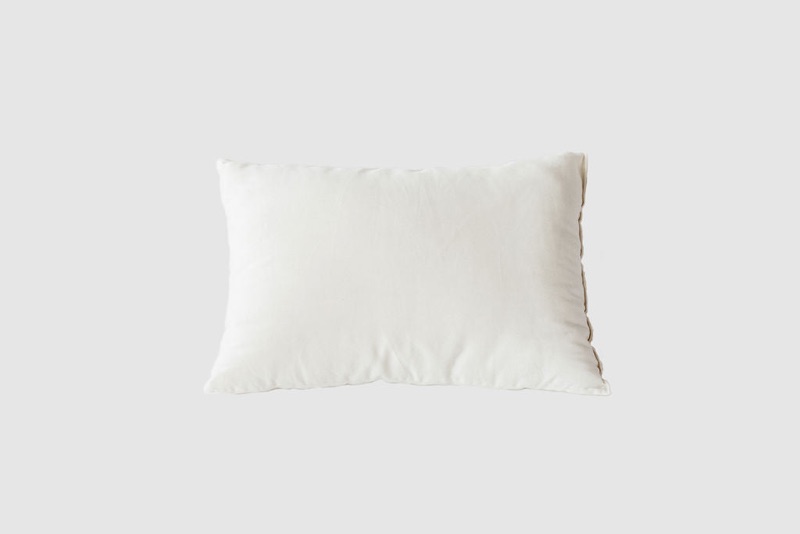 Holy Lamb Organics
 Certified Organic Wool Bed Pillow, standard, Perfect thickness
A pillow of organic wool in an organic cotton case, the only two materials listed. GOTS names “Organic Wool Bed Pillows” in the maker’s license; no lab report is published. About $165 for a standard, $149 at EarthHero. GOTS: Sleepy Sheep Brands LLC dba Holy Lamb Organics & Soaring Heart, license GOTS-10205 (Oregon Tilth); “Organic Wool Bed Pillows” is named in its scope · OEKO-TEX: Sleepy Sheep Brands, LLC is listed in OEKO-TEX’s Buying Guide (product class II); no certificate number is published -
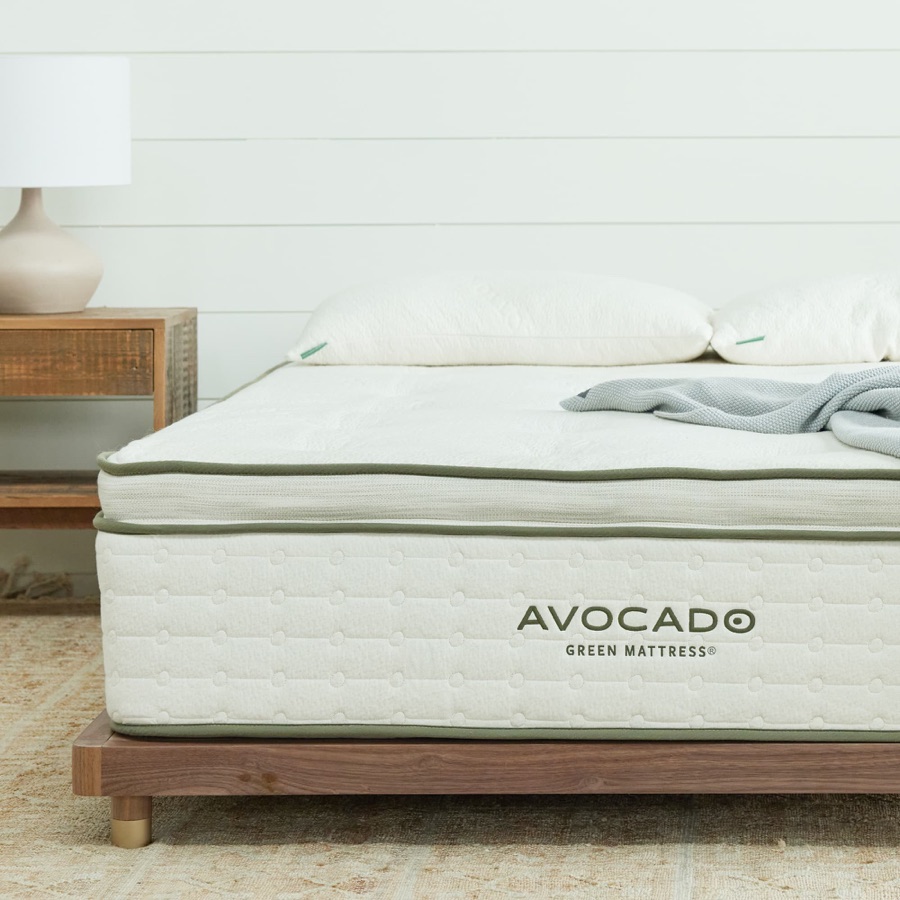 Avocado
 Green Mattress
A latex, wool and organic cotton mattress listed by GOTS, OEKO-TEX and MADE SAFE; wool is its fire barrier and PFAS reports are published. A 2023 latex suit was dismissed; its cotton pads were recalled in 2024. About $2,000 queen. MADE SAFE certified · OEKO-TEX STANDARD 100 (certificate 24.HUS.86422; OEKO-TEX’s record says product class II) · GOTS: Avocado Mattress, LLC, license GOTS-18148 (Control Union) -
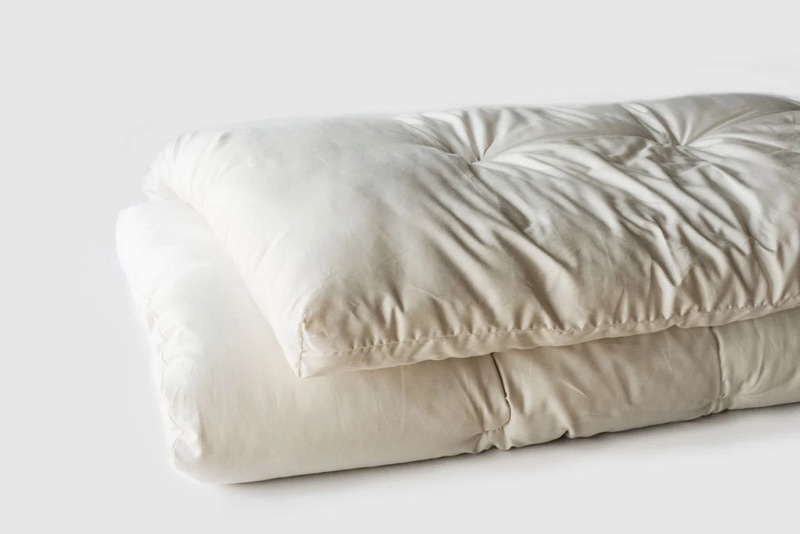 Holy Lamb Organics
 Certified Organic Quilted Topper, queen, Deep Sleep
A quilted topper of organic wool in an organic cotton sateen cover, the only two materials listed. GOTS’s database names both thicknesses in the maker’s license; no lab report is published. About $965 for a queen, $858 at EarthHero. GOTS: Sleepy Sheep Brands LLC dba Holy Lamb Organics & Soaring Heart, license GOTS-10205 (Oregon Tilth); “Organic Deep Sleep Wool Topper” and “Organic Ultimate Wool Topper” are named in its scope · OEKO-TEX: Sleepy Sheep Brands, LLC is listed in OEKO-TEX’s Buying Guide (product class II); no certificate number is published -
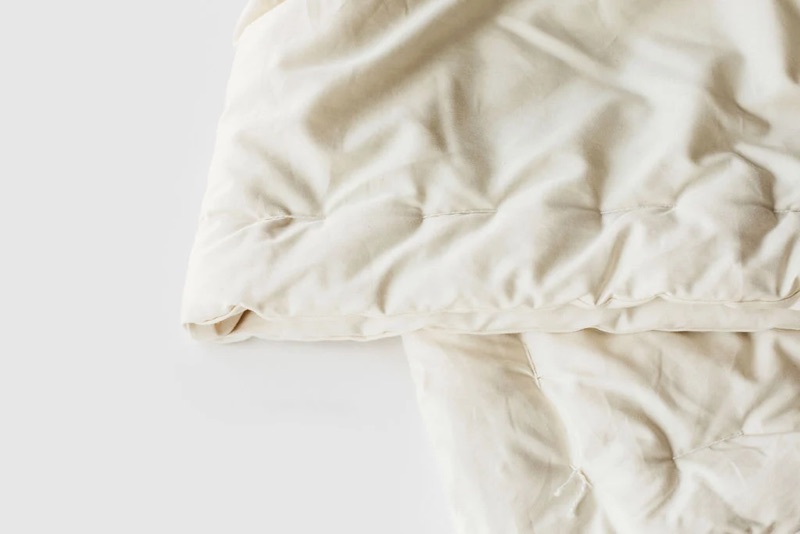 Holy Lamb Organics
 Certified Organic Wool Comforter, full/queen, Perfect weight
A wool-filled comforter in an organic cotton sateen shell, the only two materials listed. GOTS’s database names Holy Lamb’s organic wool comforters; no lab report is published. About $705 for a full/queen. GOTS: Sleepy Sheep Brands LLC dba Holy Lamb Organics & Soaring Heart, license GOTS-10205 (Oregon Tilth); “Organic Wool Perfect Comforter”, “Light” and “Extra Warm” are named in its scope · OEKO-TEX: Sleepy Sheep Brands, LLC is listed in OEKO-TEX’s Buying Guide (product class II); no certificate number is published -
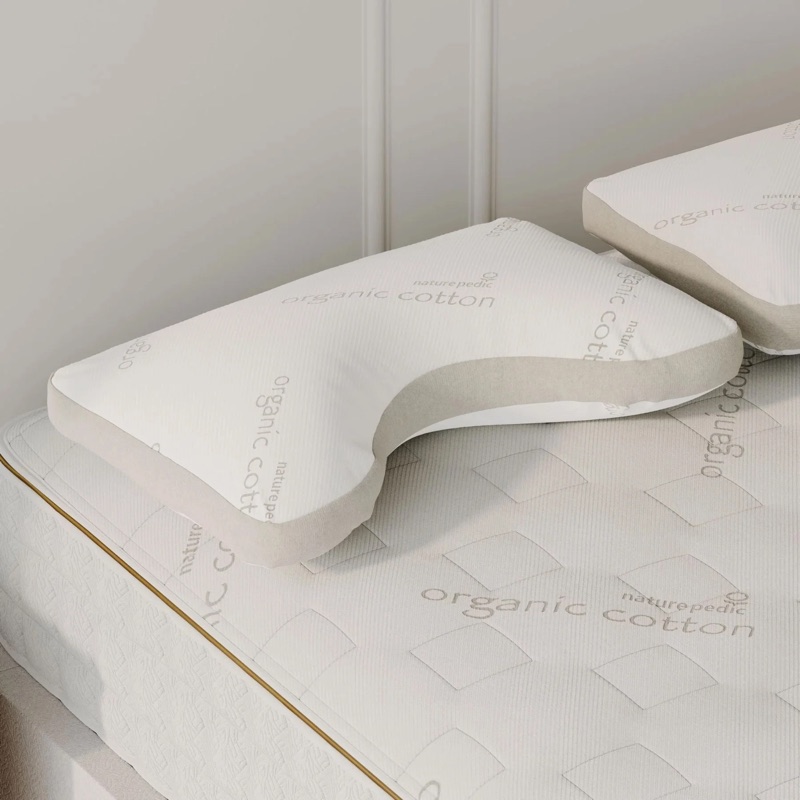 Naturepedic
 EOS Classic Organic Mattress (latex-free)
A latex-free mattress of organic cotton and wool over steel coils, with no polyurethane foam or added flame retardants. GOTS and UL list the EOS line; no independent lab report is published. About $4,200 for a queen. GOTS: Safe for Home Products LLC dba Naturepedic, license GOTS-10233 (Oregon Tilth); “Mattresses: EOS” is in its scope · UL SPOT: “Naturepedic Organic Luxury EOS Mattress (all sizes/options)” holds GREENGUARD Gold (valid to 2027-09-06) and Formaldehyde Free claim validation (valid to 2027-06-17); the entry does not name the latex-free version -
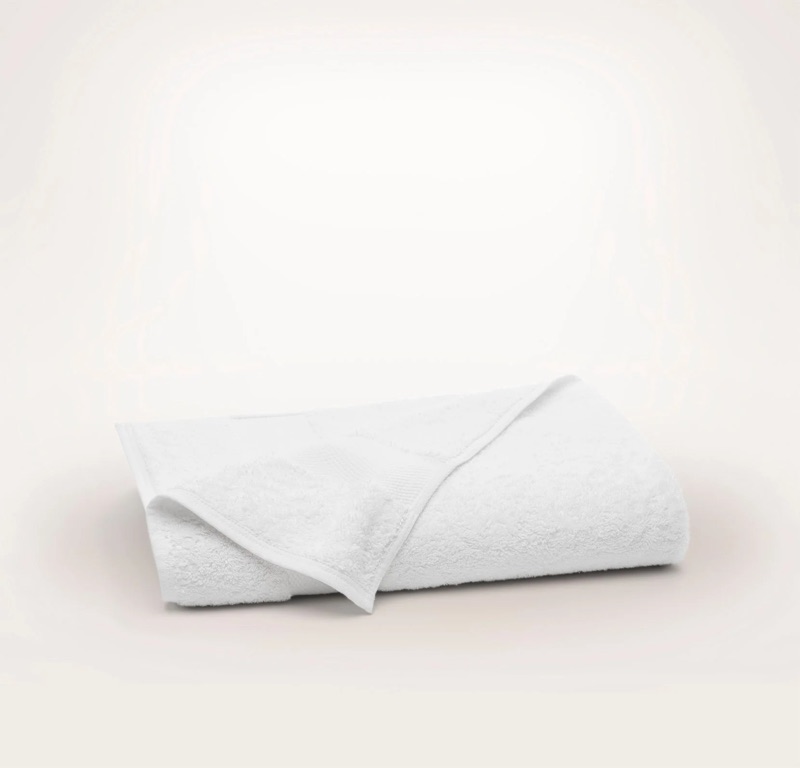 Boll & Branch
 Plush Bath Towel, 30 by 58 inches
A 100% organic cotton terry towel from a maker whose GOTS license and OEKO-TEX certificate both list towels. The towel page gives no certificate numbers and describes no dye or finish. About $49 each. GOTS: Boll & Branch LLC, license GOTS-17617 (Control Union); “Towels, kitchen linen, toilet linen” of 100% organic cotton is in its scope · OEKO-TEX STANDARD 100: certificate 18.HUS.40240, owner Boll & Branch, product class II; “towel” and “100% cotton (including terry)” are in its scope -
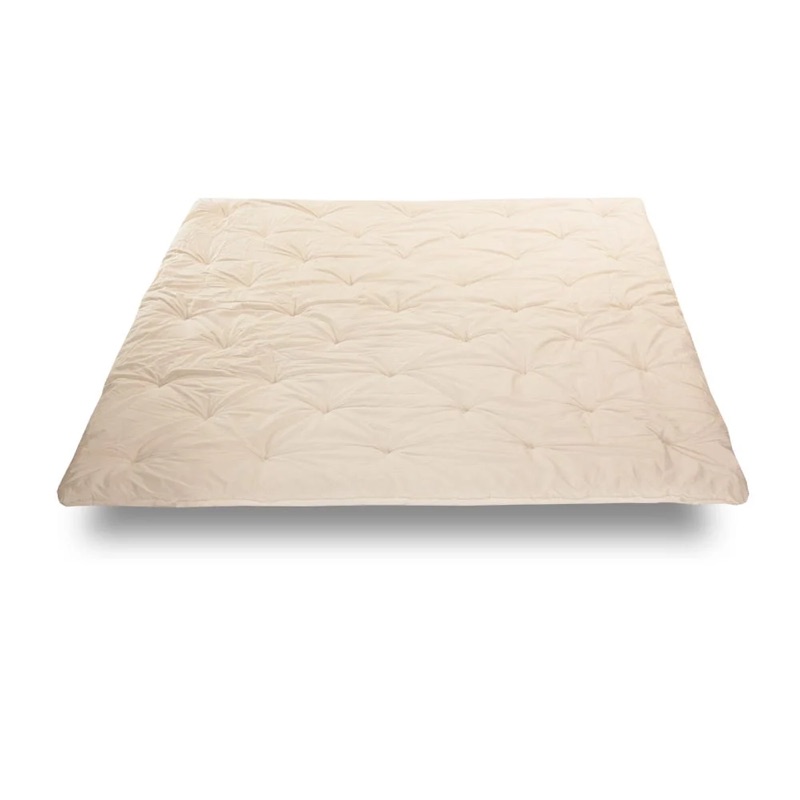 Naturepedic
 Wooly Organic Wool Mattress Topper, queen, 3 inch
A 3 inch topper of organic wool in an organic cotton cover. GOTS, UL and MADE SAFE each list this topper by name, all paid for by the maker; no lab report is published. About $999 for a queen. GOTS: Safe for Home Products LLC dba Naturepedic, license GOTS-10233 (Oregon Tilth); “Mattresses: Wooly Toppers” (90% organic wool, 10% organic cotton) is in its scope · MADE SAFE: listed in the MADE SAFE index as the Woolly 3-inch Organic Mattress Topper · UL SPOT: “Naturepedic Organic Luxury 3 inch Wooly Toppers (all sizes/options)” holds GREENGUARD Gold (valid to 2027-09-06) and Formaldehyde Free claim validation (valid to 2027-06-17) -
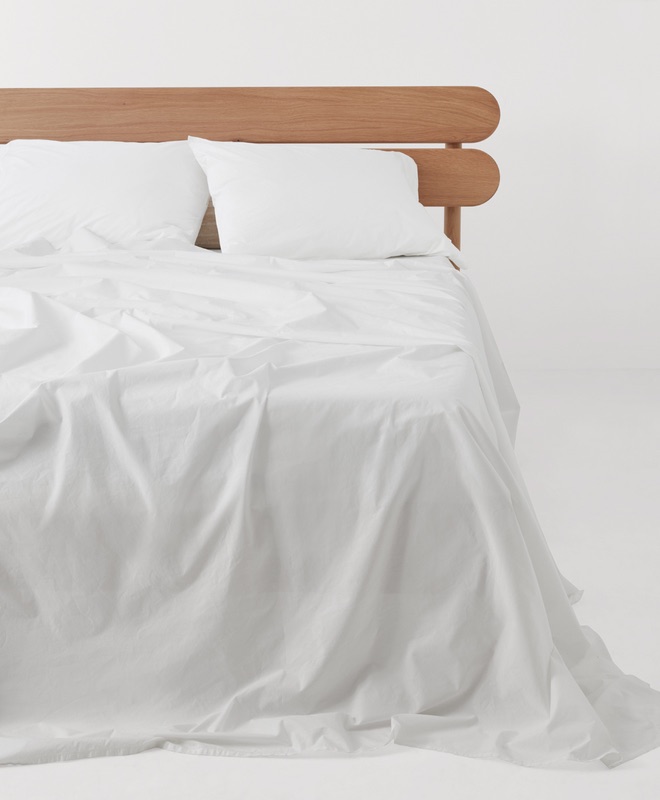 Pact
Pact Organic Cool-Air Percale Sheet Set
An organic cotton percale sheet set from a brand listed in the GOTS database, at the lowest price of the three sets here. Pact says it is made without PFAS or toxic dyes, but names no dye type or certificate number and cites no test. GOTS: Wear Pact, LLC, license GOTS-33073 (Control Union) -
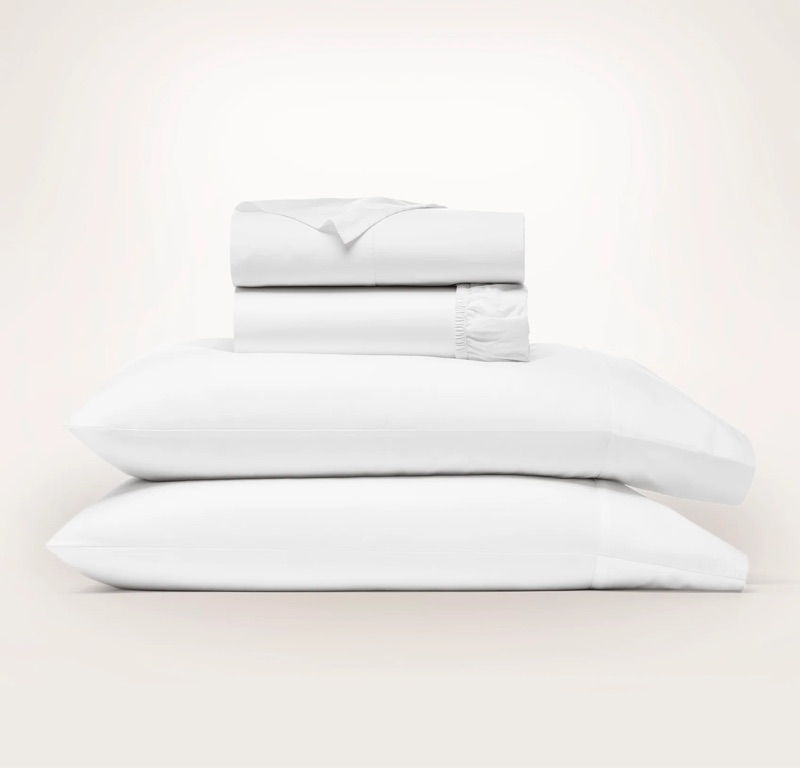 Boll & Branch
 Signature Hemmed Sheet Set
A 100% organic cotton sateen sheet set whose page publishes an OEKO-TEX certificate number that we checked, and whose maker is in the GOTS database. The costliest of the three sets here. No fiber, dye or finish detail beyond that. GOTS (Control Union, GOTS-17617) · OEKO-TEX STANDARD 100 (Hohenstein, 18.HUS.40240) -
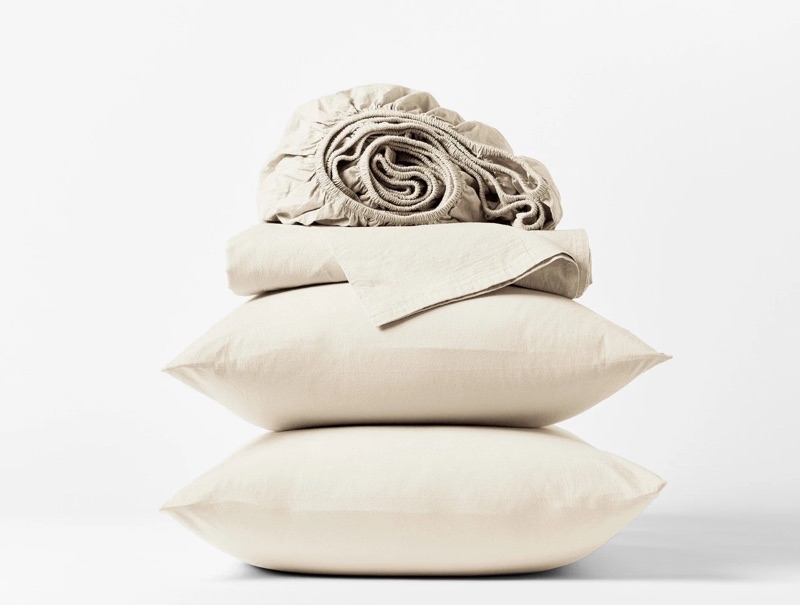 Coyuchi
 Organic Crinkled Percale Sheet Set
A 100% organic cotton percale sheet set from a maker listed in the GOTS database for bed linen. The undyed version avoids dye questions. The page gives no certificate number, and we found no OEKO-TEX listing or published test. GOTS: Coyuchi Inc., license GOTS-27150 (Control Union)