Essential oils
Single oils and blends with a batch test you can read, sold without medical claims.
How we rank essential oils
- Purity 35%
- Batch testing 25%
- Sourcing 15%
- Trust 10%
- Value 15%
Why, and what each one means
We rank lavender oils on purity (35%), batch testing (25%), sourcing (15%), price per milliliter (15%) and trust (10%). A GC-MS lot report shows an oil is lavender, but a standard profile can miss clever blends (2021 study (opens in a new tab)), and lavender oil sensitizes skin (opens in a new tab) once it oxidizes. So lot reports, organic sourcing and plain safety copy score highest. Read our safety guide before using any oil.
- Purity 35%
- One plant, named by its Latin name and the part distilled, with nothing added: no carrier oil, synthetic or “nature-identical” components.
- Batch testing 25%
- GC-MS results for the batch you buy, published by lot number. Independent tests count for more than the maker’s.
- Sourcing 15%
- Country of origin named, organic or wild-harvested, and a distiller the maker can name.
- Trust 10%
- Highest when the maker names everything, answers questions, and has no recalls, warning letters, Prop 65 notices or lawsuits over safety or labeling. Points come off for unresolved problems and for paid promoters it does not disclose.
- Value 15%
- Price per milliliter against the others here that pass.
Each product scores every one from 1 to 5, and its rating is the weighted average. We list only products rated 3 or above that break none of our rules.
We avoid
- “Therapeutic grade”, “certified pure” and other seals the seller gives itself. No outside body grades essential oils.
- Instructions to take oils by mouth or put them on skin undiluted.
- Immune, antiviral or disease claims.
Read the research
Know one that fits? Suggest a product
5 products · best rated first
-
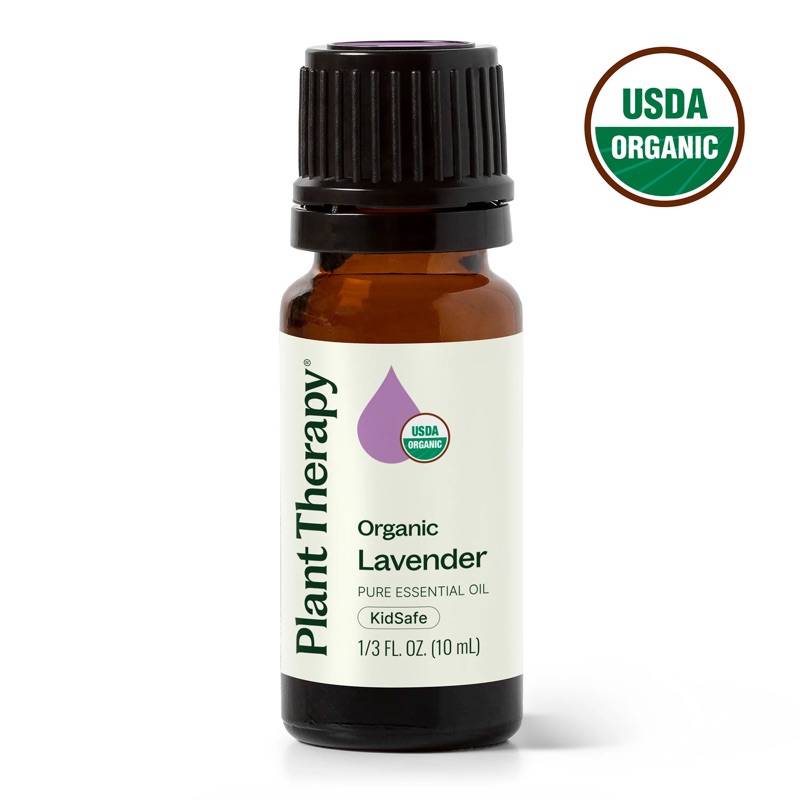 Plant Therapy
 Organic Lavender Essential Oil
A USDA organic, single-ingredient lavender oil with two recent lot reports from an outside lab the maker pays. In an independent test of 22 lavender and peppermint oils, this one had the lowest phthalates: 40 ppb. USDA Organic (handler listing, Ecocert, NOP ID 7880216336) -
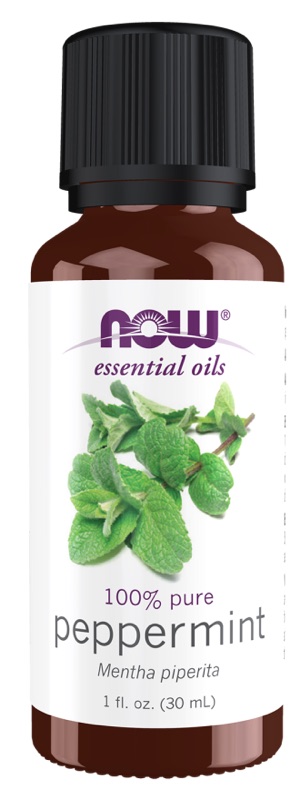 NOW Foods
NOW Essential Oils Peppermint Oil (Mentha piperita), 1 fl oz
A single-ingredient peppermint oil with a lot-numbered certificate and GC profile on NOW’s site, and 223 ppb phthalates in an independent test, in its best group. NOW’s own lab runs the lot tests, and no origin is stated. -
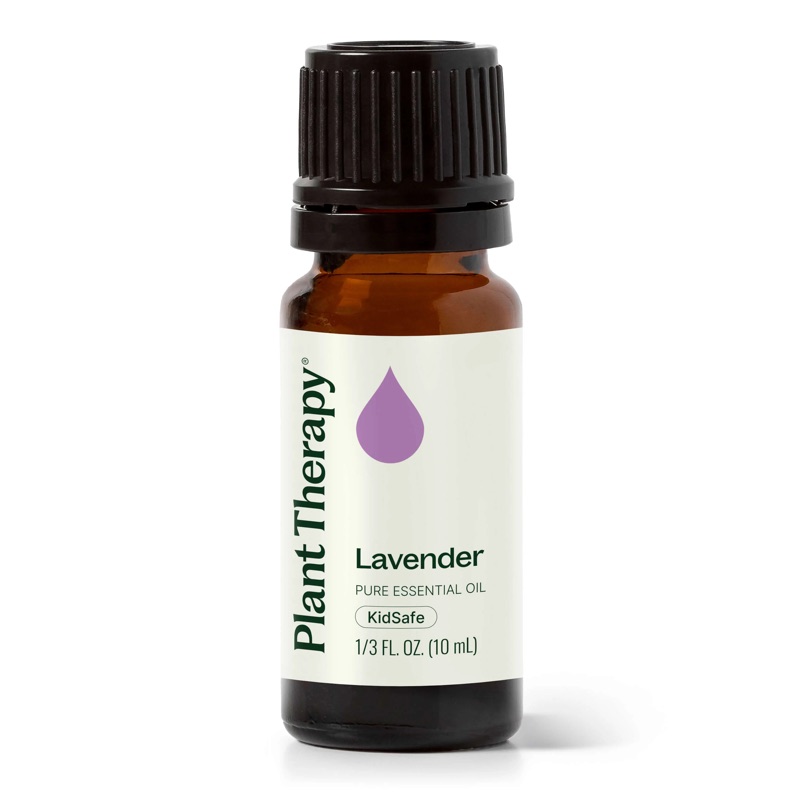 Plant Therapy
 Lavender Essential Oil
A single-ingredient lavender oil with three recent lot reports from an outside lab that the maker pays. Its organic sister oil had the lowest phthalates in an independent test of 22 oils; this one was not tested. Soft health claims. -
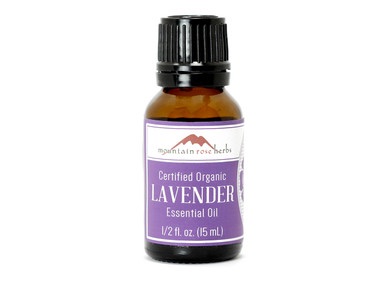 Mountain Rose Herbs
 Organic Lavender Essential Oil
An organic lavender oil with the plainest copy of the group: no health claims and clear cautions. No lot report is posted (GC/MS only on request, which we did not make). An independent lab found 616 ppb phthalates, lower half of 22. USDA Organic (handler listing, Oregon Tilth, NOP ID 8150001085) -
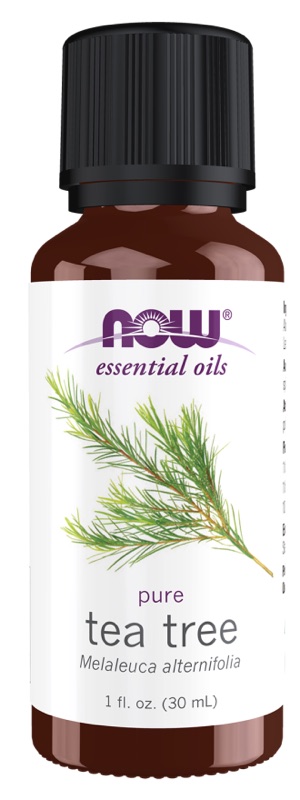 NOW Foods
NOW Essential Oils Tea Tree Oil (Melaleuca alternifolia), 1 fl oz
A single-ingredient tea tree oil with lot-numbered certificates on NOW’s site. ConsumerLab found all four tea tree oils it tested in 2022, NOW’s included, authentic and free of heavy metals and microbes. No phthalate test; no origin stated.