Performance & longevity
Creatine, urolithin A, amino acids, electrolytes and other targeted supplements, held to the research on each ingredient.
How we rank performance & longevity
- Ingredients 25%
- Independent testing 30%
- Evidence 25%
- Trust 10%
- Value 10%
Why, and what each one means
We rank supplements on what is in them, whether someone the maker does not pay has tested them, how strong the human research is at the label dose, the maker's record and price per day. Plain creatine monohydrate scores highest: its research is deep and shows it is safe for healthy adults (ISSN position stand (opens in a new tab), our guide). Amino acid mixes rest on low-certainty trials (PubMed (opens in a new tab)), urolithin A on a few small ones (PubMed (opens in a new tab)). A paid seal alone earns a middle score.
- Ingredients 25%
- Highest for one or a few ingredients, all named, with nothing artificial and no fragrance (named essential oils are fine). Each unnecessary additive, unnamed flavor, sweetener or preservative costs points.
- Independent testing 30%
- Highest when someone the maker does not pay (a consumer group, journalist, university or regulator) has tested it for the contaminants that matter here and published clean results. A certification the maker pays for, or the maker’s own lab reports, count for less, and claims with nothing published count for little.
- Evidence 25%
- How strong the human research is for this ingredient at this dose: many trials score high, a few small or maker-funded ones score low.
- Trust 10%
- Highest when the maker names everything, answers questions, and has no recalls, warning letters, Prop 65 notices or lawsuits over safety or labeling. Points come off for unresolved problems and for paid promoters it does not disclose.
- Value 10%
- Price per day’s dose against the others here that pass.
Each product scores every one from 1 to 5, and its rating is the weighted average. We list only products rated 3 or above that break none of our rules.
We avoid
- Proprietary blends, “clinically dosed” claims that name no study, and “utilization” or absorption percentages with no published method.
- Gummies and chews with no third-party test. They are hard to dose accurately.
- Anti-aging, “cellular renewal” or hangover-cure claims without a placebo-controlled trial in people at the label dose.
Read the research
Know one that fits? Suggest a product
5 products · best rated first
-
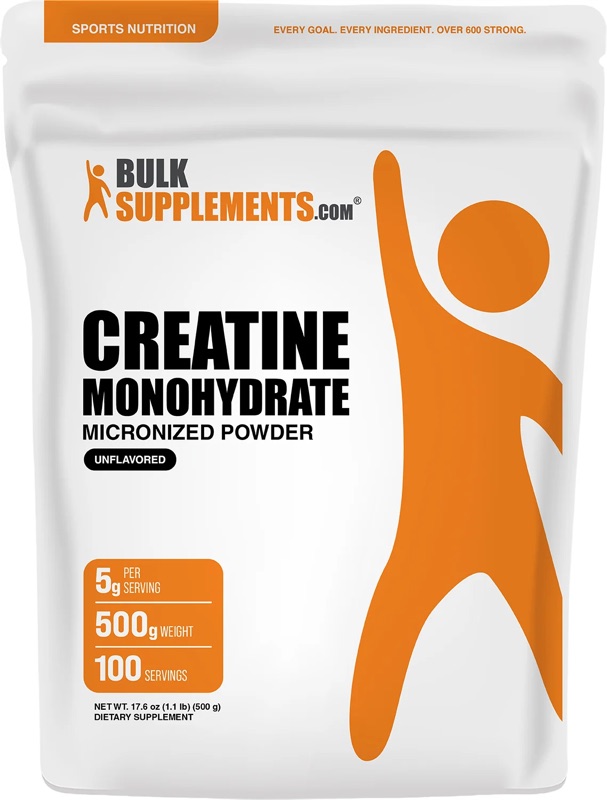 BulkSupplements
 Creatine Monohydrate (Micronized) Powder
Plain creatine monohydrate at $0.15 to $0.23 a 5 g serving, with an NSF listing and a clean independent lab test of one batch. The maker has had recalls and lead notices on other products, and its page shows a California lead warning. NSF Certified for Sport (unflavored powder, 100 g to 1 kg) -
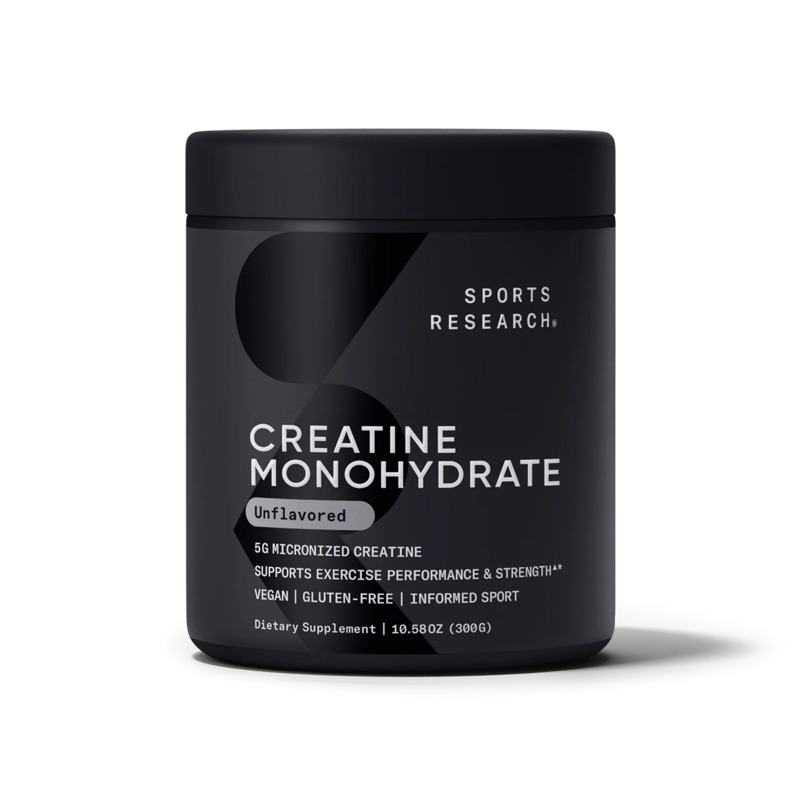 Sports Research
 Creatine Monohydrate Powder, Unflavored (500 g, 100 servings)
Plain micronized creatine and nothing else. SuppCo bought it off the shelf in 2025: 103% of the labeled creatine, the lowest creatinine of five powders, no heavy-metal issue. About $0.28 a serving. Its Informed Sport claim is unchecked. -
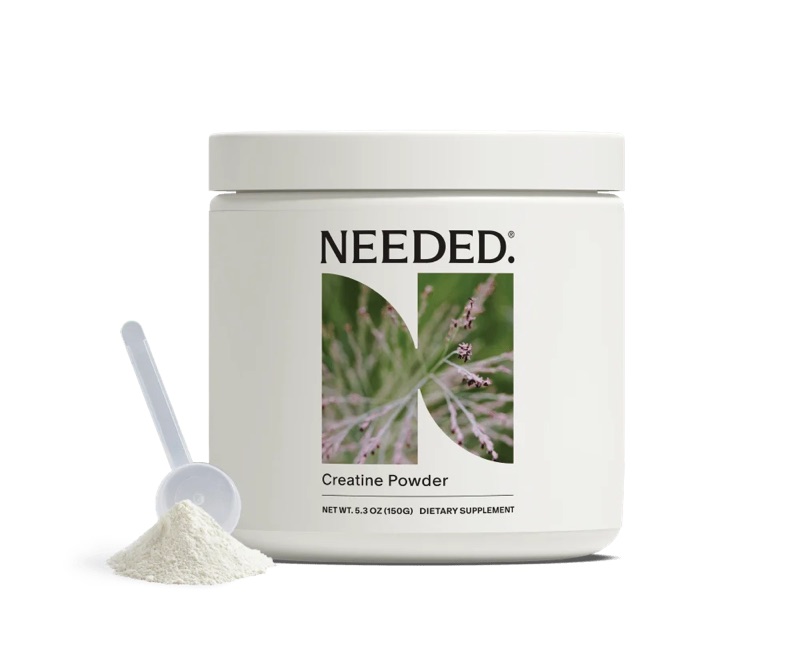 Needed
 Women’s Creatine (unflavored, 150 g, 30 servings)
Plain creatine monohydrate with nothing else in it, NSF Certified for Sport and a Clean Label Project Purity Award. Both are paid for and show no figures. About $0.83 a serving, the most of the creatines we list. NSF Certified for Sport (listing 1811457, powder, 150 g, lots 26B2476 and 26B2435) · Clean Label Project Purity Award and Pesticide-Free (certificate PNV0004-2023H-10 lists Creatine Monohydrate, UPC 850030586568, August 2026) -
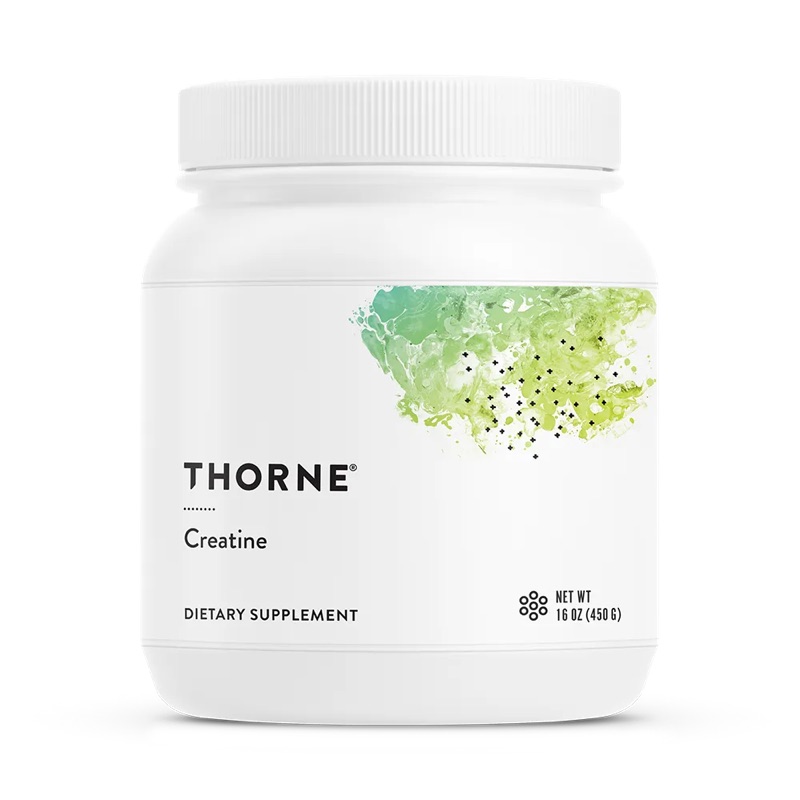 Thorne
 Creatine (90 servings)
Single-ingredient creatine monohydrate, 5 g a scoop, in NSF’s Certified for Sport database with 69 lots. About $0.49 a serving, the priciest creatine we list, for the same compound. Thorne publishes no test numbers. NSF Certified for Sport (powder, 450 g and 900 g) -
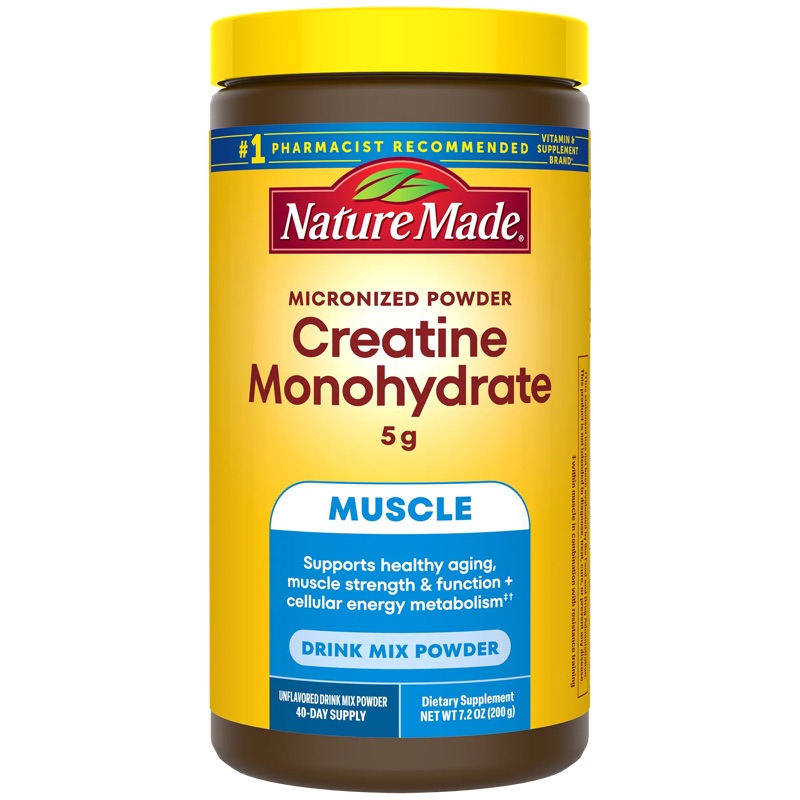 Nature Made
 Micronized Creatine Monohydrate 5 g Drink Mix Powder
Plain micronized creatine, 5 g a scoop, about $19 for 90 servings at Amazon and Target. NSF lists three lots, but the label shows no mark and Nature Made told Target shoppers in 2026 it was not NSF certified. No test results published. NSF Certified for Sport listing (200 g and 450 g, three lots; Nature Made’s own pages do not mention it)