Vitamins & minerals
Vitamins and minerals checked by an outside tester, in forms and doses the research supports.
How we rank vitamins & minerals
- Ingredients 25%
- Independent testing 35%
- Evidence 15%
- Trust 10%
- Value 15%
Why, and what each one means
Testing carries the most weight (35%) because a label alone cannot be trusted: a review of lead in mineral and multivitamin products (opens in a new tab) found some with concerning amounts and said only third-party testing shows which. We count independent tests most, paid seals less, and long ingredient lists as a cost. Most people who eat well gain little from a multivitamin, while a single nutrient helps when you are low, as with vitamin D.
- Ingredients 25%
- Forms the body uses well, at doses the research supports, with few fillers: no artificial colors, titanium dioxide, sweeteners or proprietary blends.
- Independent testing 35%
- Highest when someone the maker does not pay (a consumer group, journalist, university or regulator) has tested it for the contaminants that matter here and published clean results. A certification the maker pays for, or the maker’s own lab reports, count for less, and claims with nothing published count for little.
- Evidence 15%
- The dose and form match the research, and the label claims stay within it. Megadoses cost points.
- Trust 10%
- Highest when the maker names everything, answers questions, and has no recalls, warning letters, Prop 65 notices or lawsuits over safety or labeling. Points come off for unresolved problems and for paid promoters it does not disclose.
- Value 15%
- Price per day’s dose against the others here that pass.
Each product scores every one from 1 to 5, and its rating is the weighted average. We list only products rated 3 or above that break none of our rules.
We avoid
- Proprietary blends that hide amounts.
- Doses above the tolerable upper intake level without a reason, such as vitamin D over 4,000 IU, zinc over 40 mg or supplemental magnesium over 350 mg a day.
- Seals the maker gives itself (“lab tested”, “GMP quality”) with no named testing organization.
- Cure, detox or “boosts everything” claims.
- Vitamin K products with no warning for people who take warfarin.
Read the research
Know one that fits? Suggest a product
11 products · best rated first
-
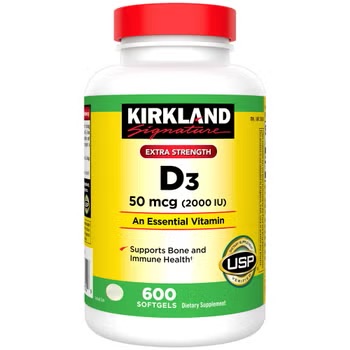 Kirkland Signature (Costco)
Kirkland Signature Extra Strength D3 50 mcg (2,000 IU)
Costco’s house-brand vitamin D3 (2,000 IU) at about 2.5 cents a day, with the USP Verified mark on its label and in USP’s own 2023 list. The manufacturer is not named, and USP’s live directory blocked our check. -
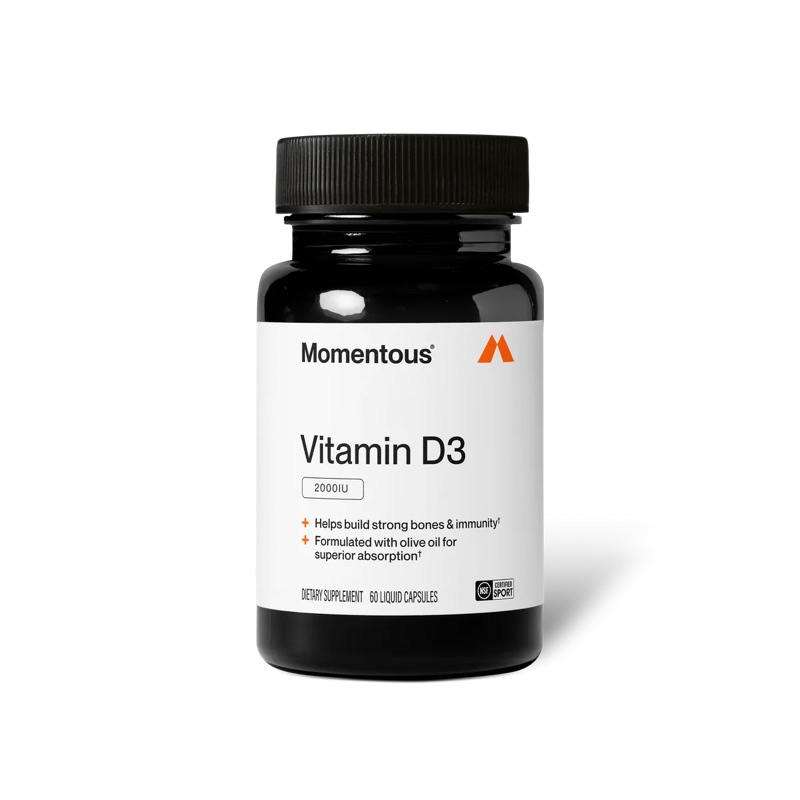 Momentous
 Vitamin D3 2000 IU
A plain vitamin D3 capsule (2,000 IU) in olive oil, listed by NSF with a maker-posted certificate for each lot. The five certificates show 14 to 41 percent more D3 than the label, and it costs 3 to 13 times the store brands. NSF Certified for Sport (capsule, 60 count) -
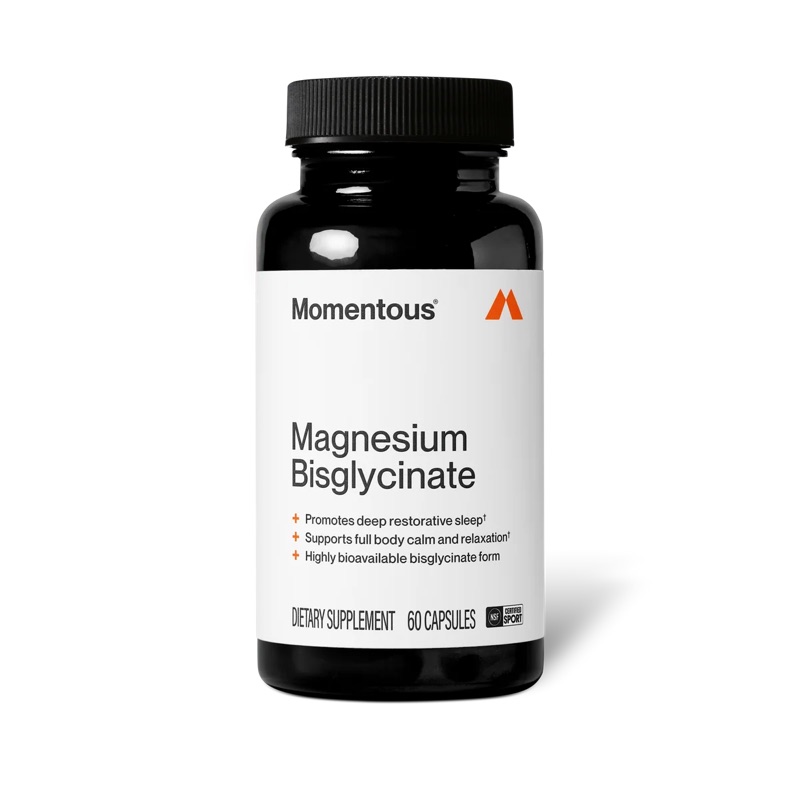 Momentous
 Magnesium Bisglycinate
A magnesium bisglycinate capsule (200 mg per two) listed by NSF, with lot certificates online. It costs about two thirds of Thorne’s powder per serving. It also contains cellulose, silica and magnesium stearate. NSF Certified for Sport (capsule, 60 count) -
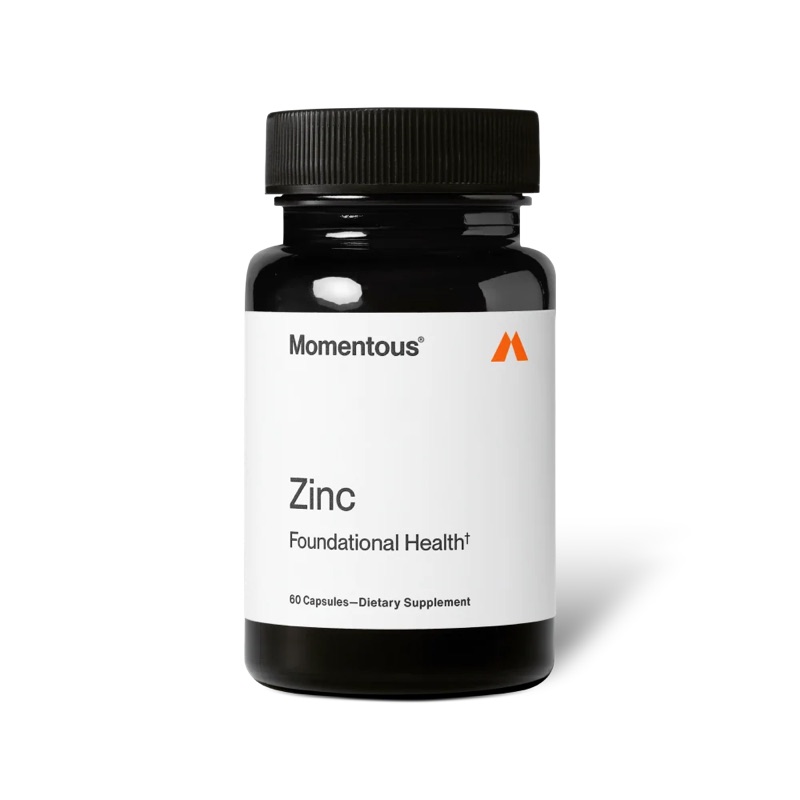 Momentous
 Zinc Picolinate 15 mg
A 15 mg zinc picolinate capsule listed by NSF, with lot certificates online. The dose is at the low end of the usual range and well under the 40 mg limit. It adds rice flour, magnesium stearate and silica. NSF Certified for Sport (listed as “Zinc”, Momentous, capsule, 60 count) -
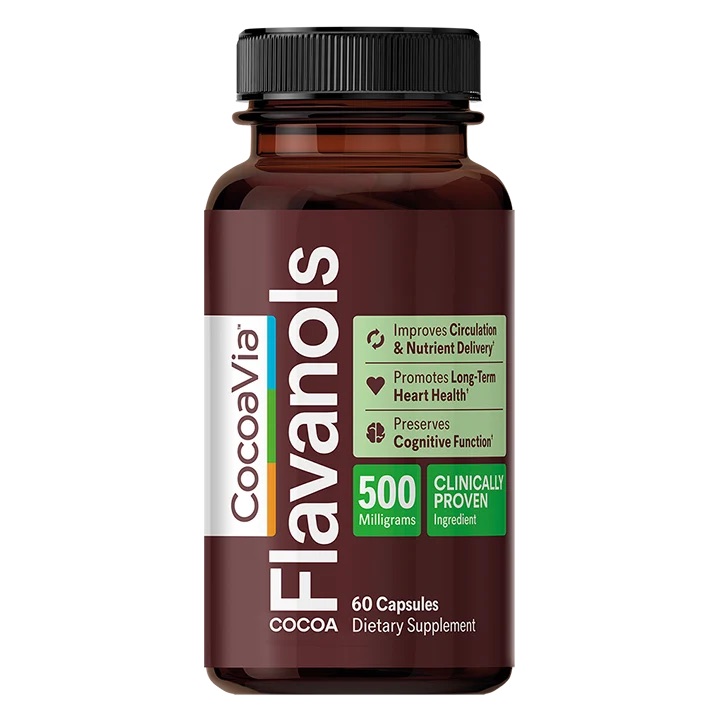 CocoaVia
 500mg Cocoa Flavanols Capsules (60 capsules)
Cocoa extract at the flavanol dose from the 21,442-person COSMOS trial, which missed its main goal but found 27% fewer heart deaths. Paid NSF and Clean Label Project listings, no figures shown. About $1.63 a day. Clean Label Project Purity Award (certificate SPP0062-2026C-05 lists UPC 850487002789, March 2026) · NSF Contents Certified (NSF/ANSI 173): NSF’s listing names “CocoaVia Cocoa Flavanols 500mg”, capsule, 2 capsules a serving, for Mars Symbioscience -
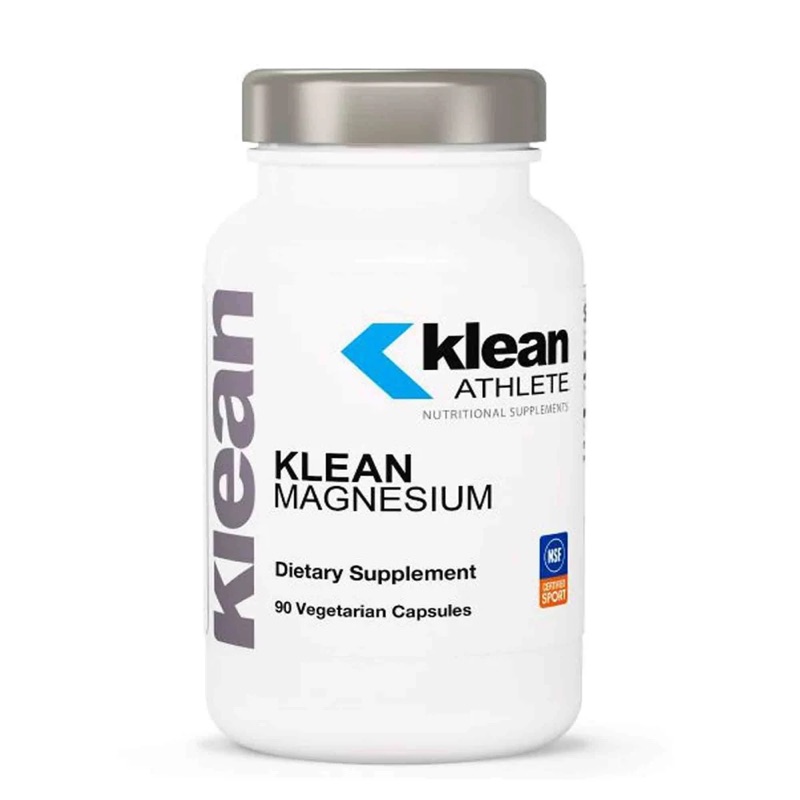 Klean Athlete
 Klean Magnesium (120 mg, 90 capsules)
Magnesium glycinate, 120 mg a capsule, in a plant capsule with a trace of ascorbyl palmitate. NSF lists 13 lots, but no tester has published its metals. About $0.29 a day at one capsule, the cheapest per milligram of the magnesium we list. NSF Certified for Sport (listing 1572352, Klean Magnesium, 90 capsules, 13 lots) -
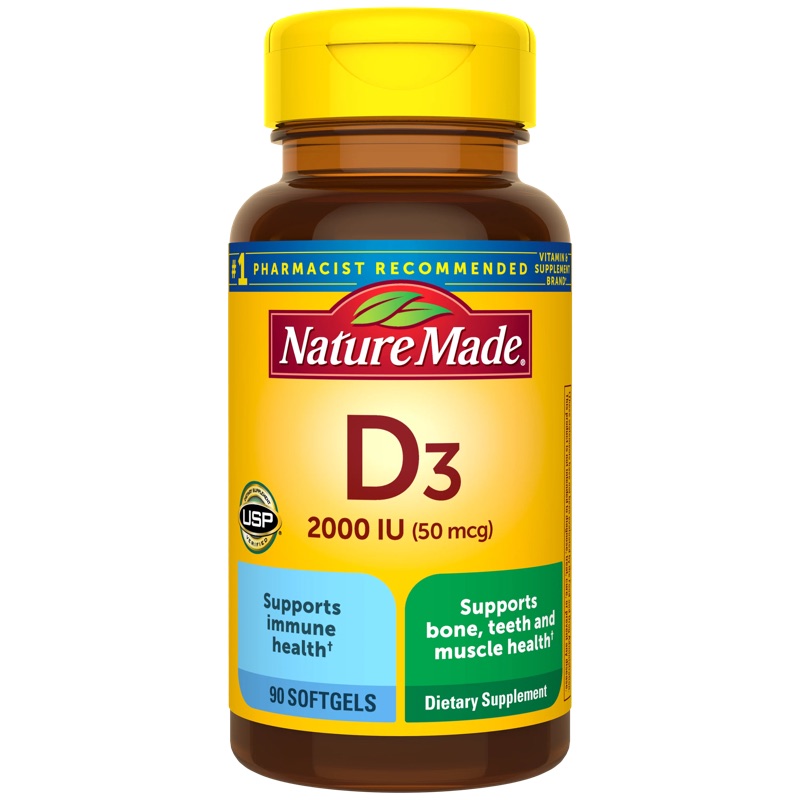 Nature Made
 Vitamin D3 2000 IU (50 mcg) Softgels
A plain 2,000 IU vitamin D3 softgel at about 12 cents a day, with the USP Verified mark on its label and page. We could not confirm the softgel in USP’s directory, and USP’s 2023 list names a 2,000 IU tablet instead. -
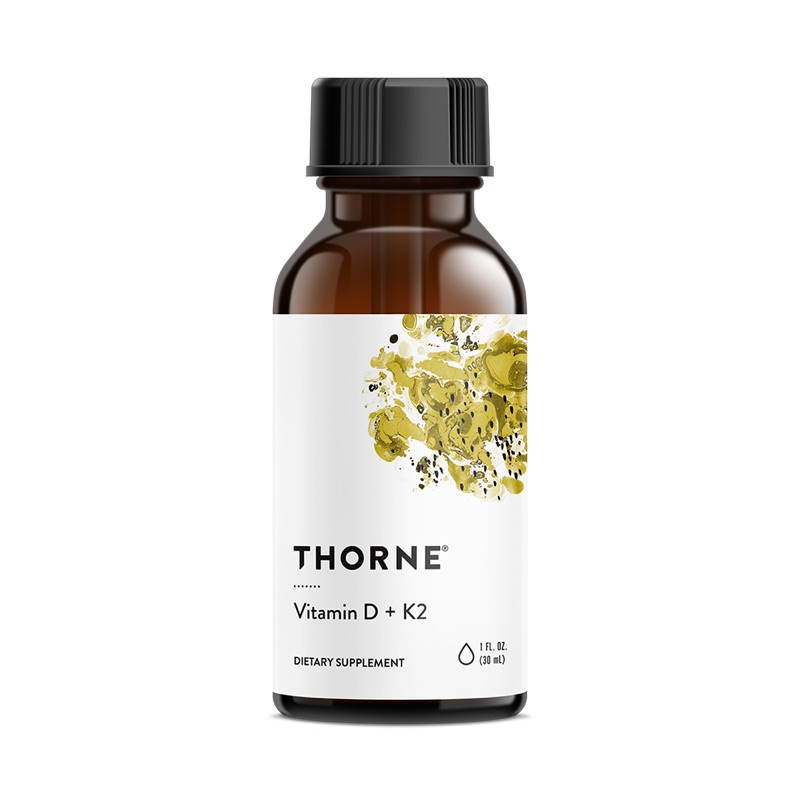 Thorne
 Vitamin D + K2 Liquid
A liquid D3 + K2 with a four-line label at 6 to 11 cents a day. A June 2026 lab test found no metals or PFAS but two fluorinated fungicide residues, neither a PFAS by the OECD definition. NSF lists a capsule, not this liquid. -
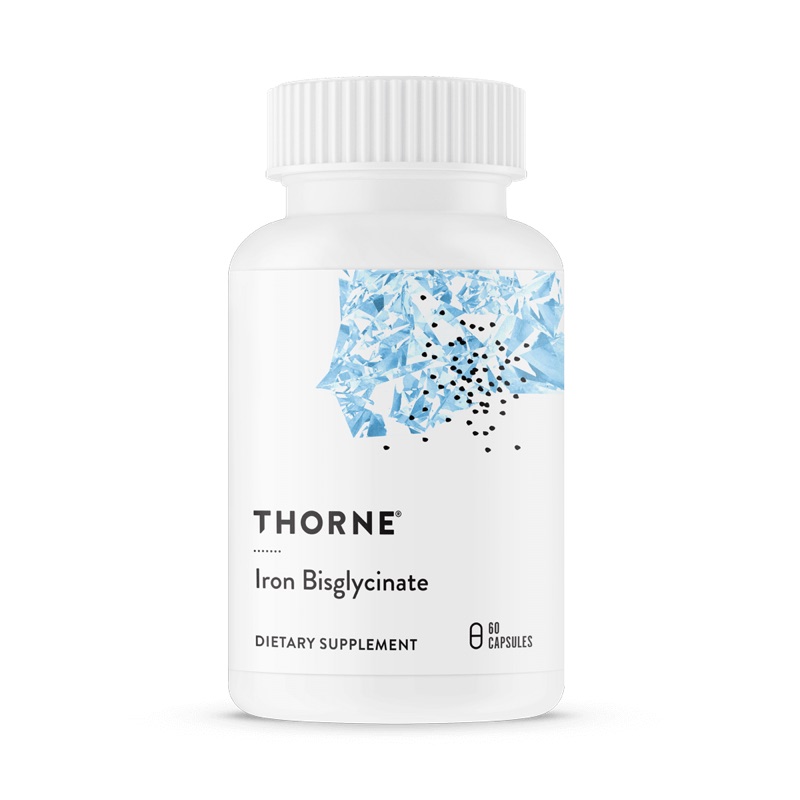 Thorne
 Iron Bisglycinate 25 mg
A single-active iron bisglycinate capsule (25 mg of iron) listed by NSF. Iron is for confirmed low iron only: excess is hard to excrete and a child’s overdose can be fatal. No batch results are public. NSF Certified for Sport (capsules, 60 count) -
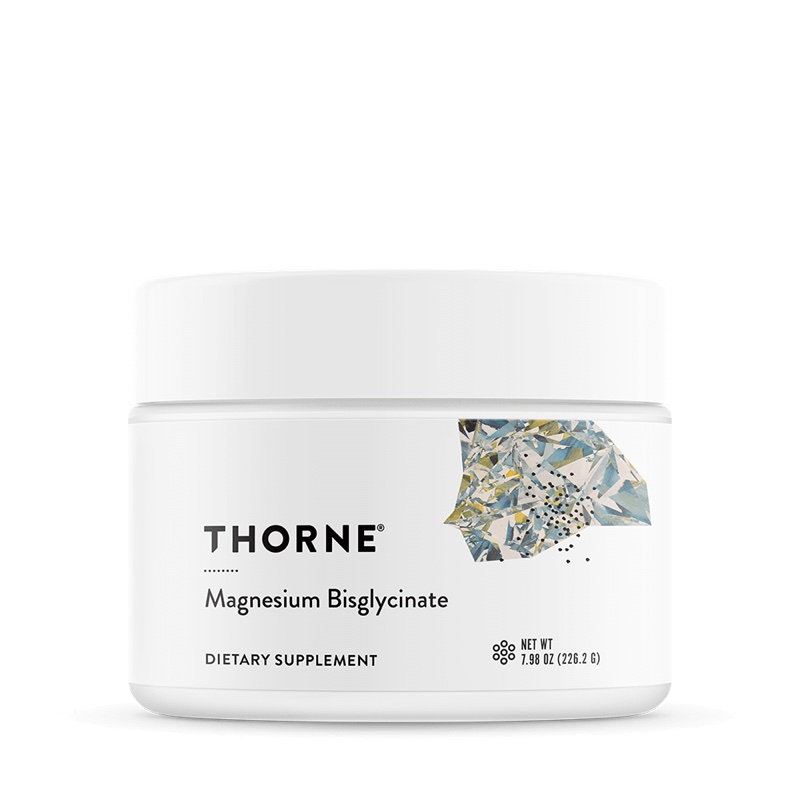 Thorne
 Magnesium Bisglycinate
A magnesium bisglycinate powder (200 mg a scoop) listed by NSF. The label has three lines: magnesium, citric acid and monk fruit sweetener. It costs more than Momentous’s capsule and the page shows no batch certificate. NSF Certified for Sport -
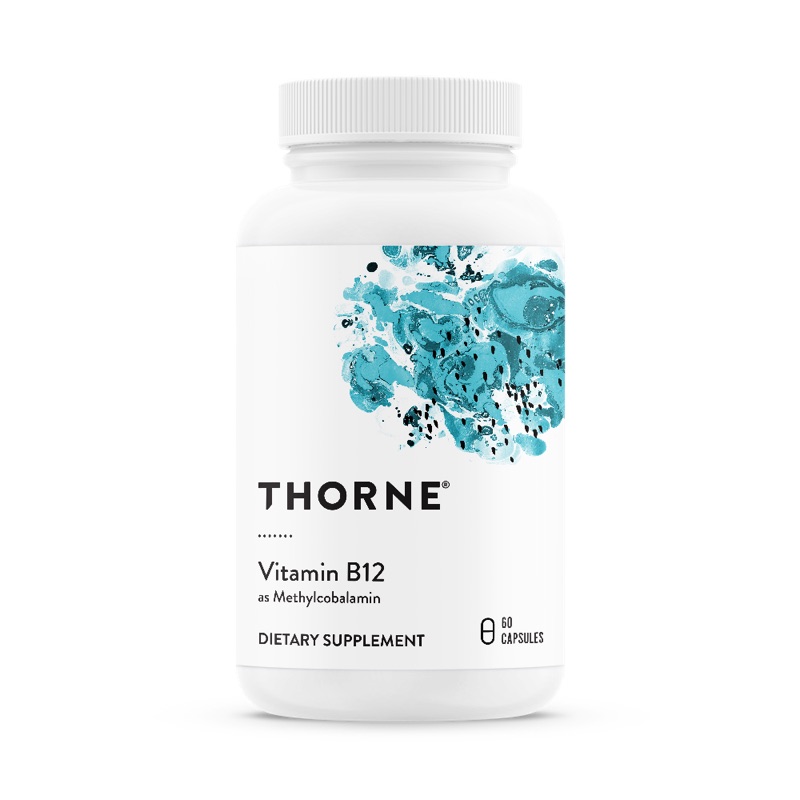 Thorne
 Vitamin B12 (Methylcobalamin) 1 mg
A single-active B12 capsule (1,000 mcg as methylcobalamin) listed by NSF. The dose is the low end of the range our guide cites for low B12. No batch results are public, and it adds leucine, cellulose and silica. NSF Certified for Sport (capsule, 60 and 90 count)