Clothing & underwear
Underwear, base layers and everyday clothes made from natural fibers without PFAS or antimicrobial finishes.
How we rank clothing & underwear
- Fabric & finishes 50%
- Independent testing 20%
- Trust 15%
- Value 15%
Why, and what each one means
We weigh fabric and finishes most (50%) because that is where the research points: PFAS turned up in every stain-resistant children’s textile analyzed (PubMed (opens in a new tab)), some dyes are a leading cause of textile contact allergy (PubMed (opens in a new tab)), and metals in underwear vary with the fabric (PubMed (opens in a new tab)). Elastane and nylon cost points because synthetic fabrics shed microfibers (microplastics guide). A certificate vouches for a factory’s process, so a test of the finished garment counts for more.
- Fabric & finishes 50%
- Organic cotton or another natural fiber, as close to 100% as the garment allows, with no PFAS, antimicrobial silver or wrinkle-free finishes.
- Independent testing 20%
- Highest for independent PFAS or chemical tests of the finished garment; GOTS or OEKO-TEX listings the maker pays for count next.
- Trust 15%
- Highest when the maker names everything, answers questions, and has no recalls, warning letters, Prop 65 notices or lawsuits over safety or labeling. Points come off for unresolved problems and for paid promoters it does not disclose.
- Value 15%
- Price per piece against the others here that pass.
Each product scores every one from 1 to 5, and its rating is the weighted average. We list only products rated 3 or above that break none of our rules.
We avoid
- Period and leak-proof underwear without a named lab’s PFAS or total-fluorine report for the style sold.
- “Antibacterial” or “odor-free” fabrics that do not say how.
- “Natural” or “eco” labels with no fiber breakdown.
Read the research
Know one that fits? Suggest a product
6 products · best rated first
-
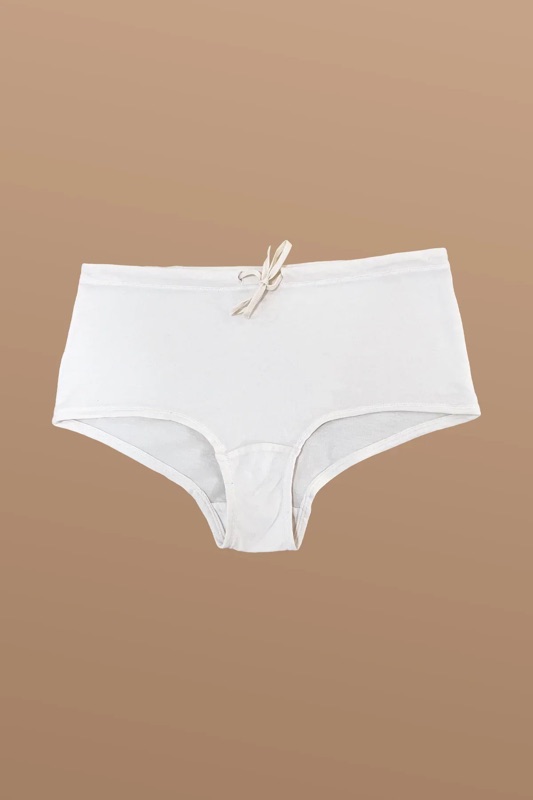 Cottonique
 Women’s Elastic-Free Drawstring Boy Brief (2-pack)
Undyed organic cotton jersey with cotton thread, drawstring and label: no elastic at the waist or legs, no elastane, no dyes. GOTS-licensed maker, but no test of this style is published. Fits differently from ordinary briefs. GOTS: Essential Layer Inc (Cottonique), license GOTS-28166 (IDFL) - Cottonique
Cottonique Men’s Rib Drawstring Boxer Brief with Fly
Undyed organic cotton rib with cotton thread, drawstring and label: no elastic, elastane or dyes. The maker is GOTS-licensed, but no test of the garment itself is published. A drawstring waist fits differently from elastic. GOTS: Essential Layer Inc (Cottonique), license GOTS-28166 (IDFL) -
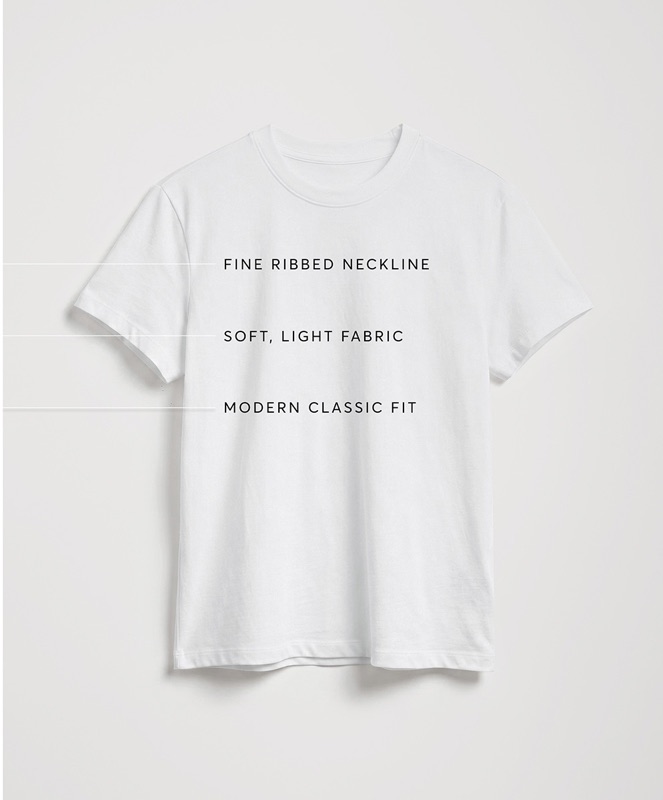 Pact
Pact Women’s Softspun Essential Crewneck Tee
A plain tee of one fiber: 100% GOTS-certified organic cotton jersey, nothing synthetic listed, at about a third of Paka’s price. Dyes, thread and the printed inside label are not named, and no test of this tee is published. GOTS: Wear Pact, LLC, license GOTS-33073 (Control Union) -
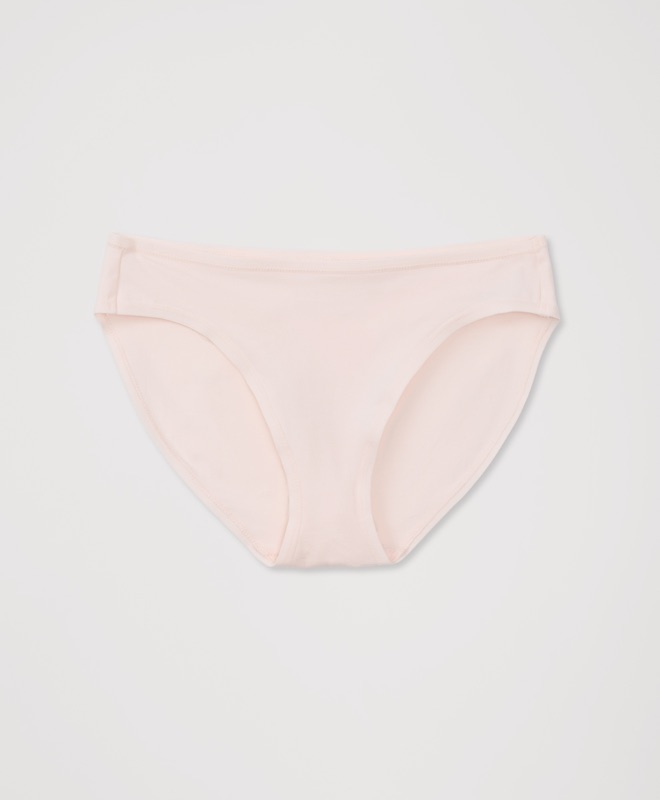 Pact
Pact Organic Everyday Classic Fit Bikini
A low-cost GOTS organic cotton bikini: 95% organic cotton and 5% elastane, with a cotton gusset. The waistband elastic, thread and dyes are not named, and no test of this bikini is published. Pact says it is made without PFAS. GOTS: Wear Pact, LLC, license GOTS-33073 (Control Union) -
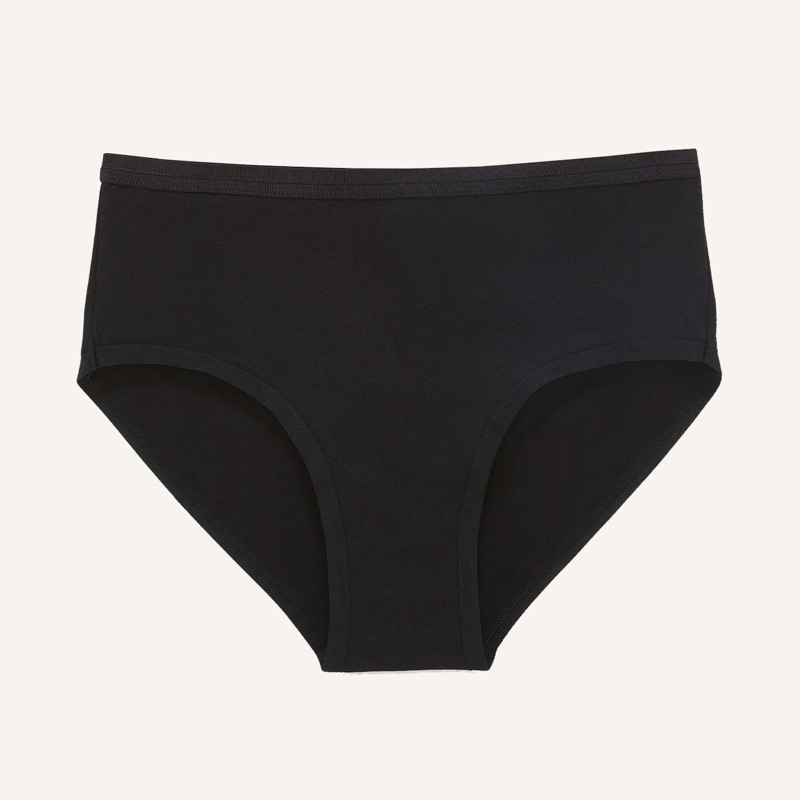 Subset
 Organic Cotton Mid-Rise Brief
GOTS organic cotton briefs from Subset (formerly Knickey). Every fiber is named, nylon-and-elastane elastics included, and the fabric has 5% elastane. No certificate number, dyes or thread named, and no independent test found. GOTS: 529 LLC dba Subset, license GOTS-21368 (Control Union) -
 Paka
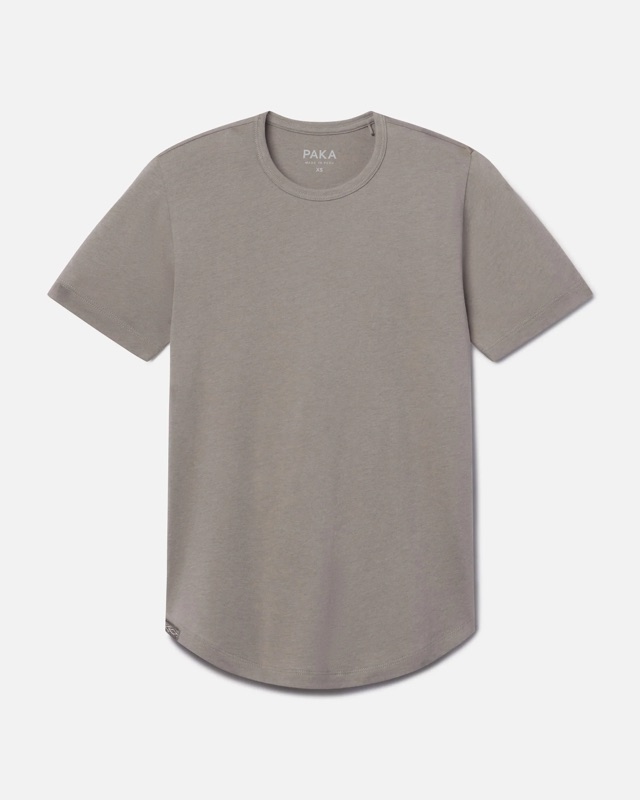
Paka Essential Tee
A tee of 85% organic Pima cotton and 15% alpaca, no spandex, made in Peru. The fibers are clear, but its organic and OEKO-TEX claims give no certificate numbers, no test is published, and it costs about three times Pact’s verified tee. Certified B Corporation: Paka (company, not product), per B Lab’s directory