Oral care
Fluoride-free toothpaste, floss and mouthwash: hydroxyapatite pastes, floss without PFAS, and short ingredient lists.
How we rank oral care
- Ingredients 40%
- Active ingredient 20%
- Independent testing 15%
- Trust 10%
- Value 15%
Why, and what each one means
We rank toothpaste first on its ingredients (fluoride-free, short, no SLS or artificial sweeteners), then on its active ingredient. Hydroxyapatite was not inferior to fluoride (opens in a new tab) in one year-long children’s trial, but long trials are few (meta-analysis (opens in a new tab); our guide). Independent tests by Lead Safe Mama found trace lead in every hydroxyapatite paste it tested, so testing counts. Floss is judged on its fiber and a PFAS screen (opens in a new tab).
- Ingredients 40%
- Fluoride-free, every ingredient named, as few as possible, with no SLS, artificial sweeteners or dyes. Floss: silk or plant fiber with a natural wax and no PFAS coating.
- Active ingredient 20%
- Hydroxyapatite with its form and percentage stated, and claims that stay within the research. Floss scores on how well it cleans between teeth.
- Independent testing 15%
- Highest for independent tests (for floss, organic fluorine screens for PFAS) with clean results.
- Trust 10%
- Highest when the maker names everything, answers questions, and has no recalls, warning letters, Prop 65 notices or lawsuits over safety or labeling. Points come off for unresolved problems and for paid promoters it does not disclose.
- Value 15%
- Price per ounce or per yard against the others here that pass.
Each product scores every one from 1 to 5, and its rating is the weighted average. We list only products rated 3 or above that break none of our rules.
We avoid
- Fluoride. We list fluoride-free pastes and rinses only.
- PTFE floss and “shred-resistant” floss coated with fluoropolymers.
- Triclosan and artificial dyes.
- “Detox”, “remineralizing” or whitening claims with no active ingredient behind them, and abrasive charcoal powders.
Read the research
Know one that fits? Suggest a product
10 products · best rated first
-
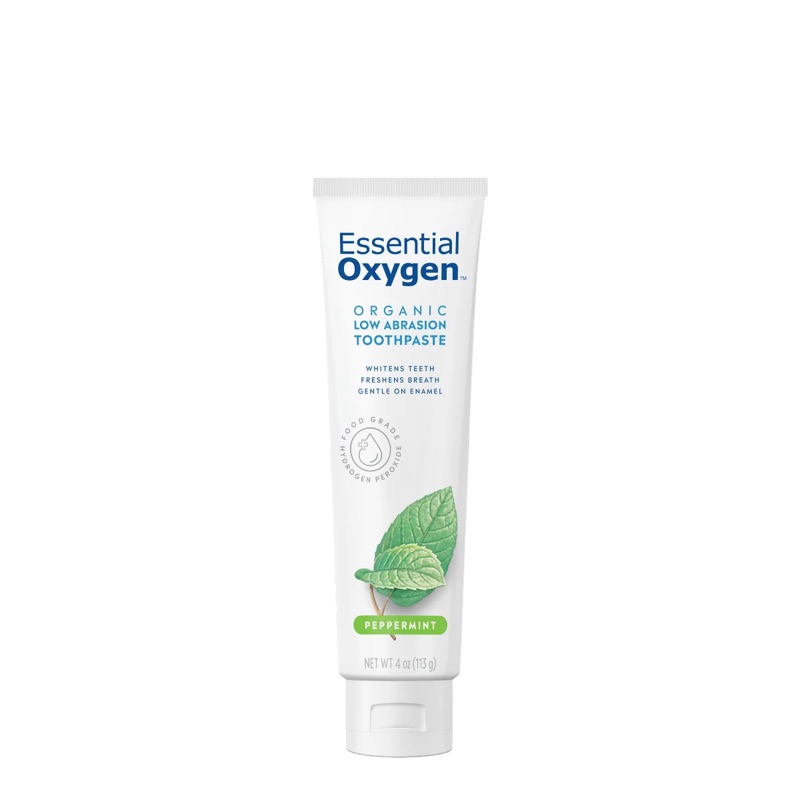 Essential Oxygen
 Organic Low Abrasion Toothpaste, Peppermint, 4 oz
Fluoride-free, USDA-certified organic paste with 17 named ingredients, including 1.44% peroxide and plant oils, and no SLS, silica or glycerin. Independent labs detected no lead, cadmium, mercury or arsenic, and no organic fluorine. -
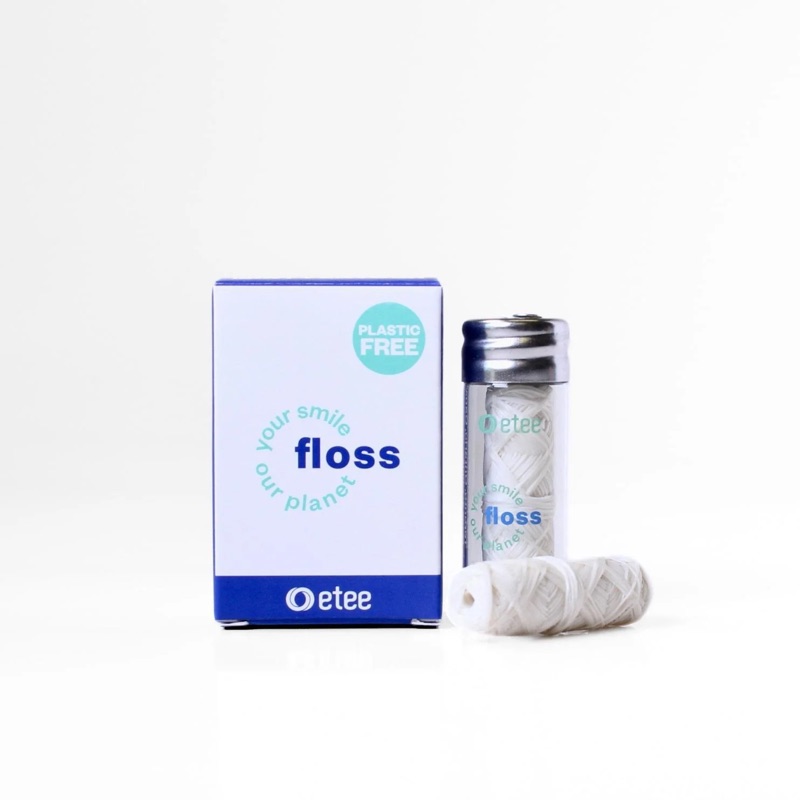 etee
etee Peppermint Mulberry Silk Dental Floss
Silk floss with candelilla wax and natural peppermint flavouring in a refillable glass jar, about $0.18 a yard. No detectable organic fluorine in a consumer lab screen of 39 flosses. Silk can shred, and the “peace silk” claim is unchecked. -
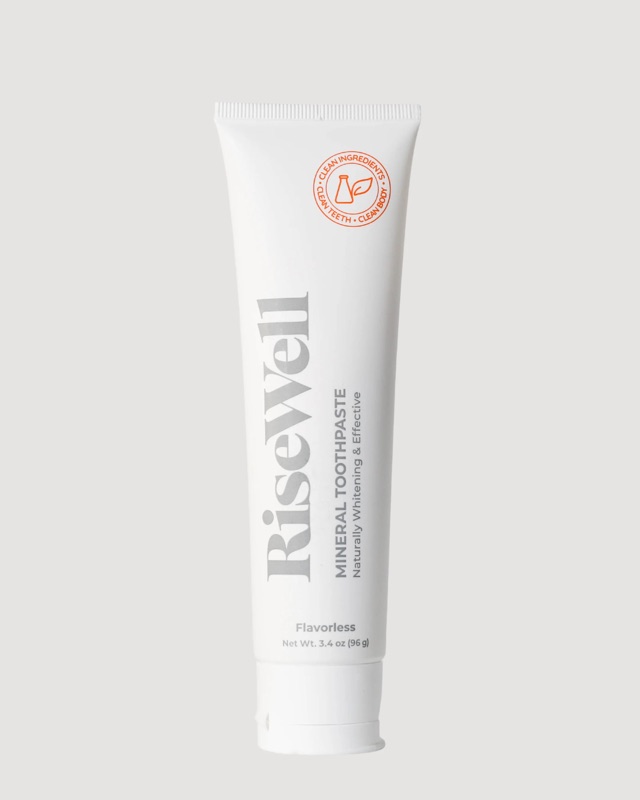 RiseWell
 Hydroxyapatite Toothpaste, Flavorless
A fluoride-free paste with 13 named ingredients and no flavor, oil or cleanser, at $3.53 an ounce. RiseWell states 10% micro-hydroxyapatite for its Original line. No outside test of this tube; a PFAS suit over its kids’ paste was dropped. -
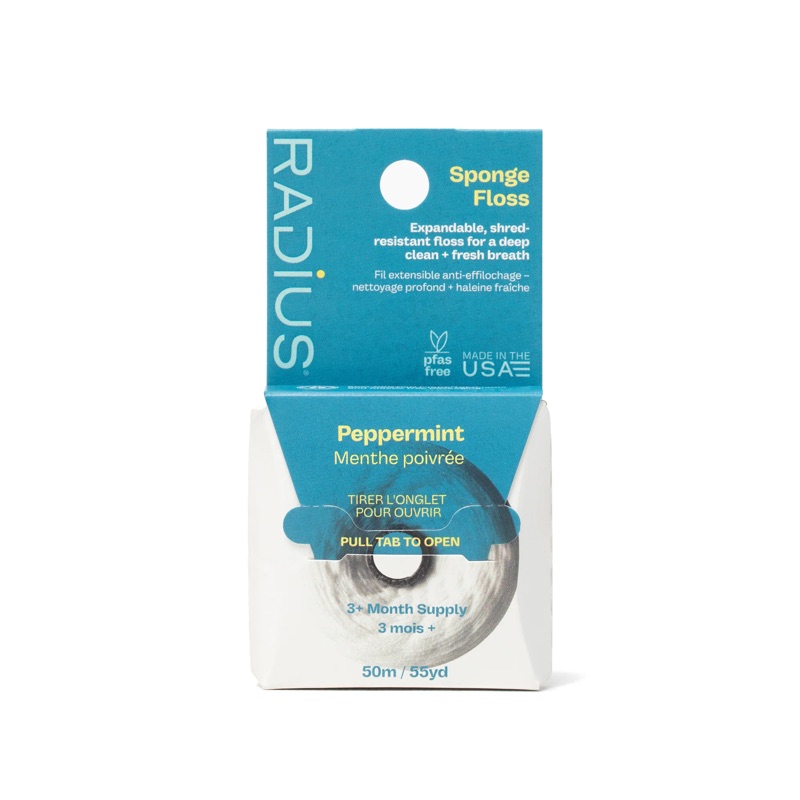 Radius
 Vegan Sponge Floss, Peppermint
Woven nylon floss with organic coconut oil and carnauba wax and named flavor oils, at about $0.09 a yard. No detectable organic fluorine in a consumer lab screen (2024). It is nylon, so not plastic-free, and the plaque claim is untested. -
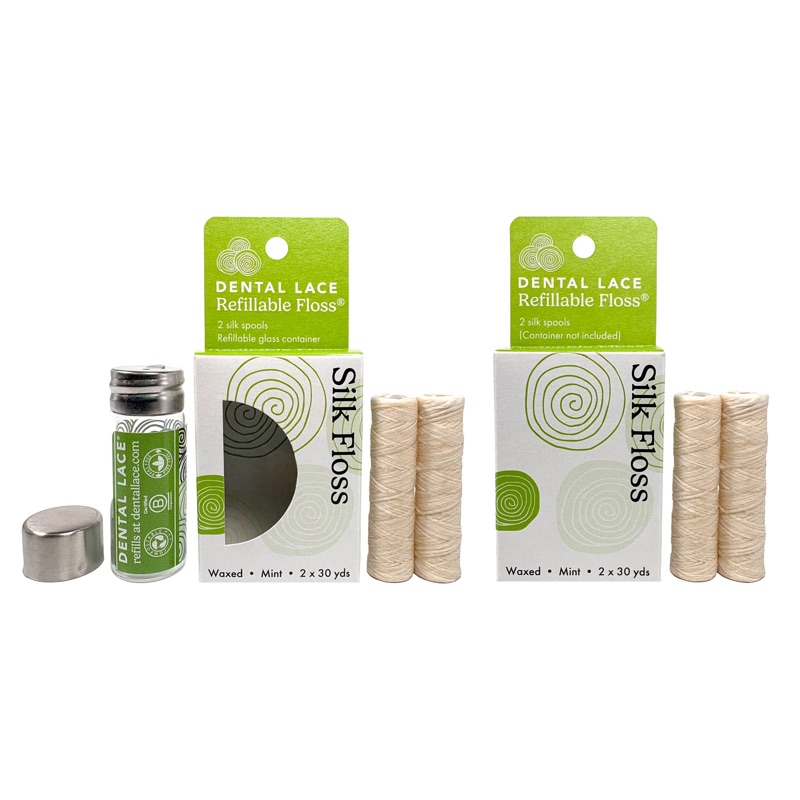 Dental Lace
 Refillable Silk Dental Floss, Glass Container with Refills
Silk floss with a plant-based wax and mint essential oil in a refillable glass jar. “PFAS-free” is the maker’s word: we found no lab test of it, and the maker’s own FAQ admits silk can shred. USDA Certified Biobased Product (100% biobased content) -
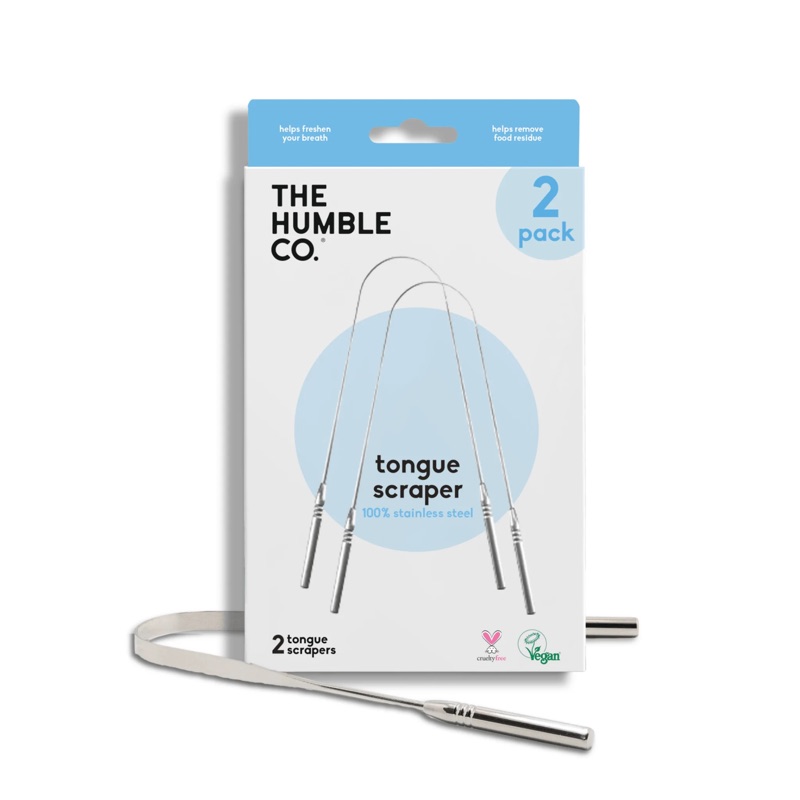 The Humble Co.
 Stainless Steel Tongue Scraper, 2-Pack
Two scrapers that the maker says are 100% stainless steel, with no plastic or coating, about $5 each. No outside test of the steel. Small, short trials show a slight edge or a tie against brushing; Cochrane rates that evidence very low. -
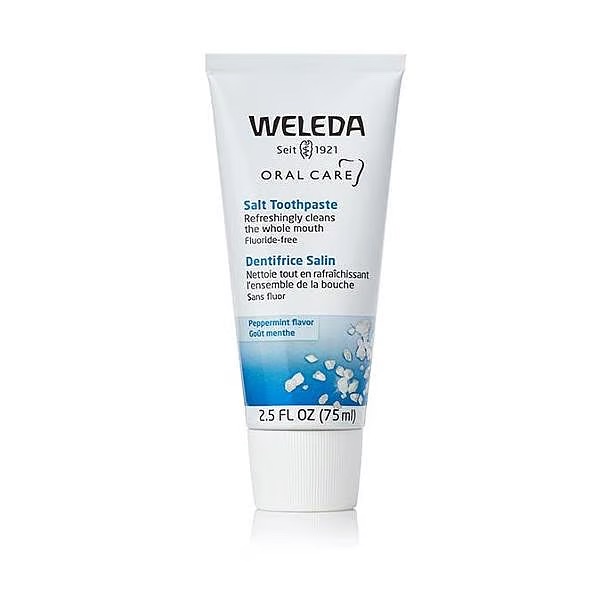 Weleda
 Salt Toothpaste, Fluoride-Free, 2.5 fl oz (75 ml)
Salt and baking soda paste, certified natural per the maker, with no SLS, sweetener or listed preservative. Tests found no lead or other tested metals and no organic fluorine, but the metals-test tube looks European. Store lists differ. -
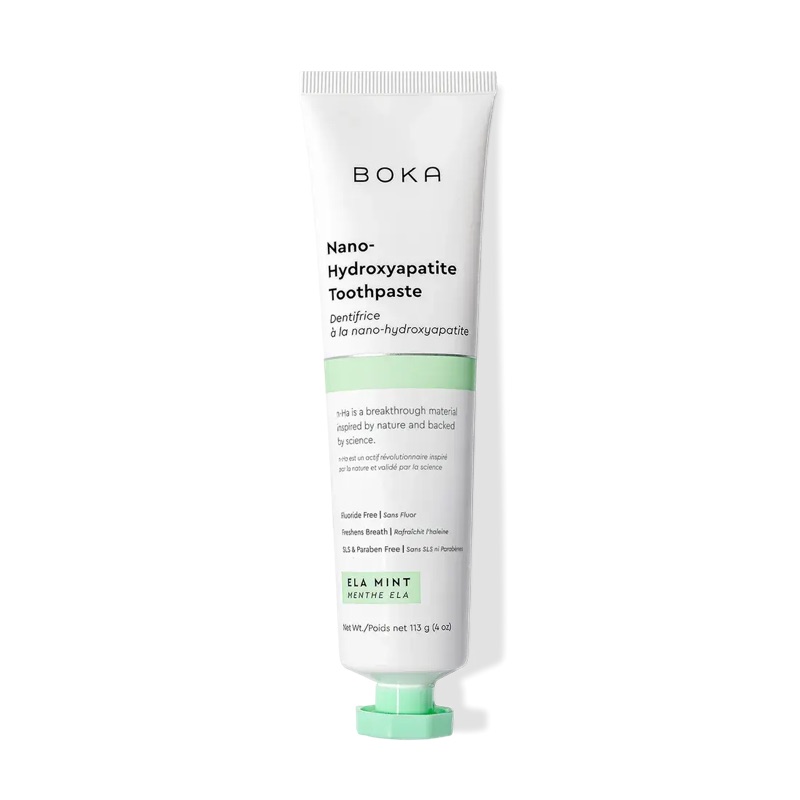 Boka
Boka Ela Mint Nano-hydroxyapatite Toothpaste
A fluoride-free paste that names all 26 ingredients, at about $2.91 an ounce. A 2025 independent lab test found trace lead, arsenic and mercury in it, and Boka does not say how much hydroxyapatite it contains. -
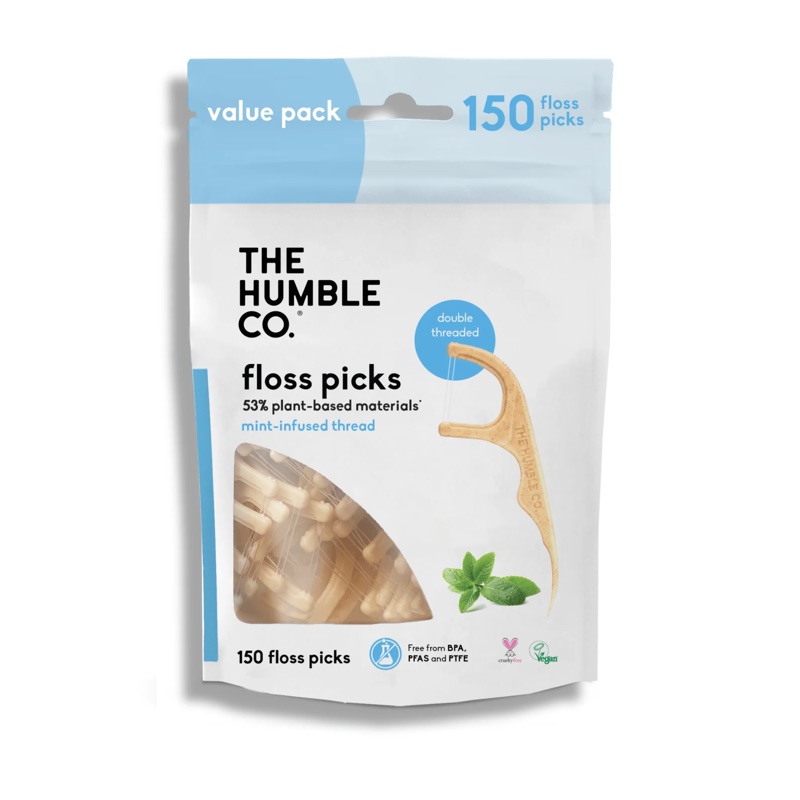 The Humble Co.
 Plant-Based Floss Picks, Mint
Floss picks at about 4 cents each, with no detectable organic fluorine in a consumer lab screen. They are plastic: the thread is polyethylene and 47% of the handle is polypropylene, so “plant-based” describes about half the handle. -
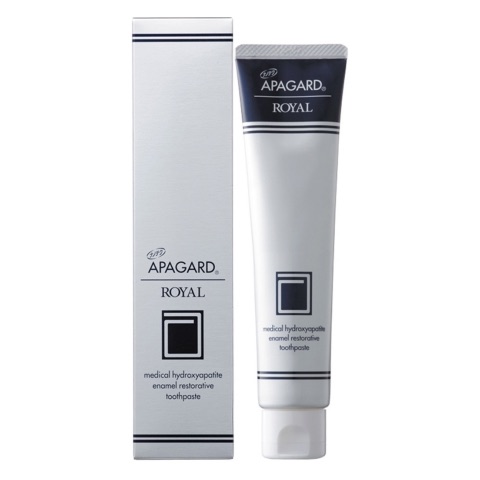 Sangi
Apagard Royal Nano-Hydroxyapatite Toothpaste, 135 g
From Sangi, which says it made the first hydroxyapatite toothpaste in 1980. No fluoride, but 16 ingredients including saccharin, SLS and an unnamed flavor, no outside test, and a Japan-only import at about $8 an ounce.