Condoms & lubricants
Condoms and lubricants cleared by the FDA, with every material and ingredient named.
How we rank condoms & lubricants
- Ingredients & materials 40%
- Protection 15%
- Independent testing 20%
- Trust 10%
- Value 15%
Why, and what each one means
Condoms are FDA-regulated devices, so we start with the clearance and the standard it cites, then with what is in the lubricant. Latex has the strongest STI evidence, and CDC (opens in a new tab) says other materials are less studied. For lubricants, WHO advises an osmolality of 380 mOsm/kg or less, and a 2012 lab study (opens in a new tab) found hyperosmolar gels damaged tissue. We mark down unnamed fragrance or flavor and missing ingredient lists.
- Ingredients & materials 40%
- Few, named ingredients: no spermicide (nonoxynol-9), parabens, fragrance, flavors or warming agents. For condoms, the material and lubricant are named.
- Protection 15%
- FDA-cleared for pregnancy and STI prevention for condoms; lubricants that are condom-safe and close to the body’s own pH and osmolality.
- Independent testing 20%
- Highest when someone the maker does not pay (a consumer group, journalist, university or regulator) has tested it for the contaminants that matter here and published clean results. A certification the maker pays for, or the maker’s own lab reports, count for less, and claims with nothing published count for little.
- Trust 10%
- Highest when the maker names everything, answers questions, and has no recalls, warning letters, Prop 65 notices or lawsuits over safety or labeling. Points come off for unresolved problems and for paid promoters it does not disclose.
- Value 15%
- Price per condom or per ounce against the others here that pass.
Each product scores every one from 1 to 5, and its rating is the weighted average. We list only products rated 3 or above that break none of our rules.
We avoid
- Nonoxynol-9 spermicide, which irritates tissue and can raise HIV risk with frequent use. Some brands sell spermicide and spermicide-free versions under one name.
- Lambskin condoms used for STI protection. Viruses can pass through them.
- Oil-based lubricants with latex condoms, which weaken the latex.
- Novelty condoms that are not cleared to prevent pregnancy or STIs.
Read the research
Know one that fits? Suggest a product
5 products · best rated first
-
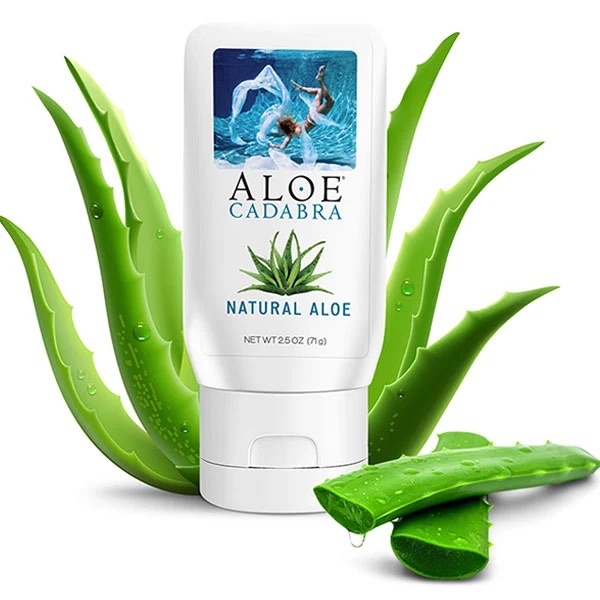 Aloe Cadabra
 Natural Aloe Lubricant (Unscented)
A water-based aloe lubricant cleared by FDA, with seven named ingredients and no glycerin, parabens or silicone, at about $4.40 an ounce. The maker publishes no pH or osmolality figure, and the only outside test is a PFAS screen. FDA 510(k) clearance K124044 (Aloe Cadabra lubricants) -
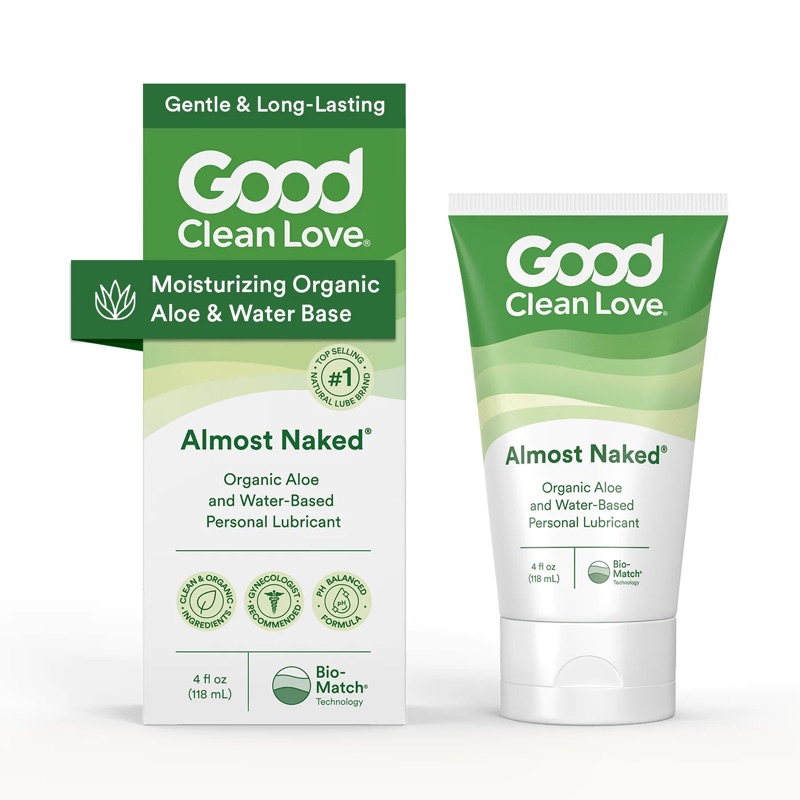 Good Clean Love
 Almost Naked Organic Personal Lubricant
A water-based aloe lubricant cleared by FDA, with no glycerin or parabens, a lemon-vanilla natural flavor, and maker-stated pH near 4 and osmolality of 250 to 400. A 2012 NIH-funded study found an earlier formula near body osmolality. FDA 510(k) clearance K150094 (Almost Naked) -
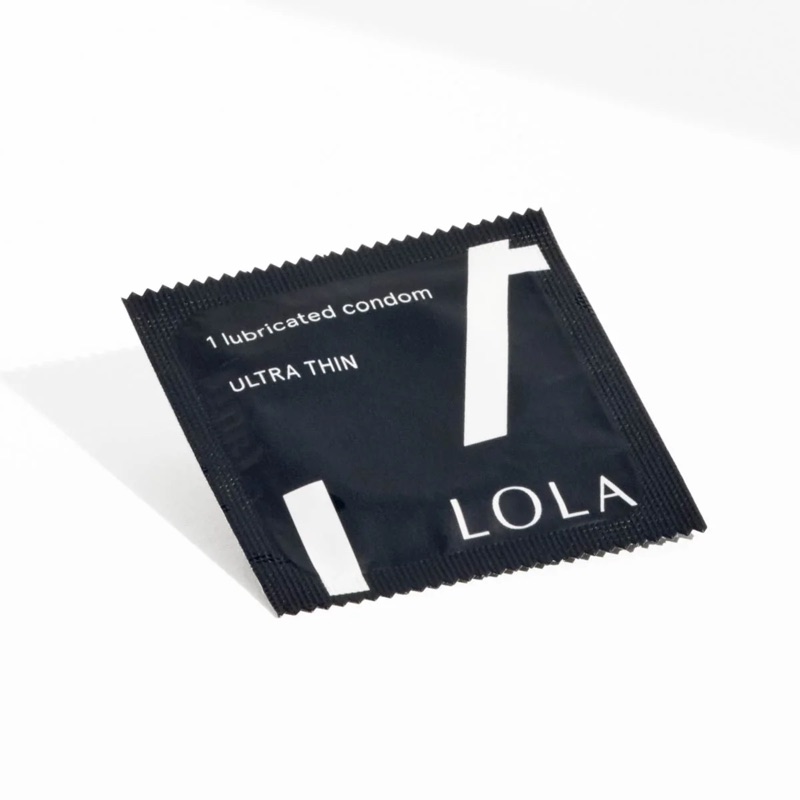 LOLA
LOLA Ultra Thin Latex Condoms
A latex condom with a three-item material list, a silicone lubricant and a nitrosamine-free claim, made by a Thai maker that FDA lists for LOLA-named condoms, at $1 each. The nitrosamine claim and the match to FDA records rest on the maker. FDA device listing under 510(k) K994095 and K081265 -
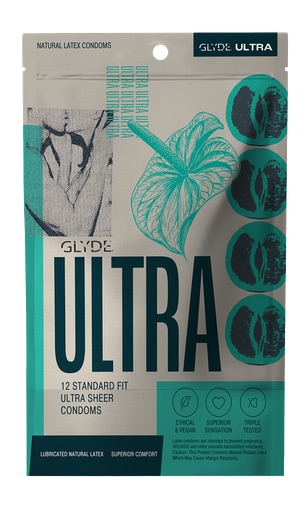 GLYDE
GLYDE Ultra Standard Fit Latex Condoms, 53 mm, 12 count
A latex condom whose maker names every chemical, with silicone lubricant, no spermicide or flavor and a clean PFAS screen. Its “no nitrosamines” claim has no test behind it, and a 2014 test of a flavored GLYDE found some. About $1.50 each. FDA device listings tie GLYDE-named condoms to three latex condom clearances (510(k) K994095, K070511 and K002393); none that we could open names GLYDE or a 53 mm by 190 mm condom -
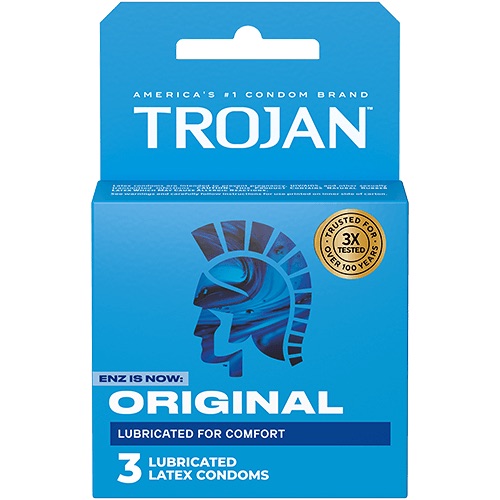 Trojan
 Original Lubricated Latex Condoms
A plain latex condom, cleared by FDA as Trojan-ENZ, with no spermicide and the lowest price per condom here. Trojan gives no ingredient list or nitrosamine statement, and a 2024 lab screen cleared this condom but flagged Trojan Ultra Thin. FDA 510(k) clearance K071313 (filed as Trojan-ENZ)