Food storage & kitchen
Containers and kitchen basics made of glass or stainless steel instead of plastic.
How we rank food storage & kitchen
- What touches the food 45%
- Independent testing 15%
- Durability 15%
- Trust 10%
- Value 15%
Why, and what each one means
We weigh what touches the food most, lids and seals included, because heat makes plastic containers shed far more particles (lab study (opens in a new tab)) and heat and fat raise chemical release (our guide). Steel and glass are safer, but new steel can release small amounts of nickel into hot, acidic food (study (opens in a new tab)), and silicone baking moulds shed siloxanes into meat loaf (study (opens in a new tab)). Independent lead tests come next, then durability, trust and price.
- What touches the food 45%
- Glass, stainless steel or untreated wood touches the food, lids included. Plastic or silicone parts that touch food cost points.
- Independent testing 15%
- Highest for independent lead tests of glass, enamel or decorations, with clean results.
- Durability 15%
- Built to last and to be repaired: a long warranty, parts sold separately and a maker that services what it sells.
- Trust 10%
- Highest when the maker names everything, answers questions, and has no recalls, warning letters, Prop 65 notices or lawsuits over safety or labeling. Points come off for unresolved problems and for paid promoters it does not disclose.
- Value 15%
- Price per container of a similar size against the others here that pass.
Each product scores every one from 1 to 5, and its rating is the weighted average. We list only products rated 3 or above that break none of our rules.
We avoid
- Heating food in plastic, including “microwave-safe” plastic.
- Treating “BPA-free” as safe: replacements such as BPS and BPF have their own concerns.
- Cracked, clouded or heavily scratched plastic or coated surfaces.
Read the research
Know one that fits? Suggest a product
6 products · best rated first
-
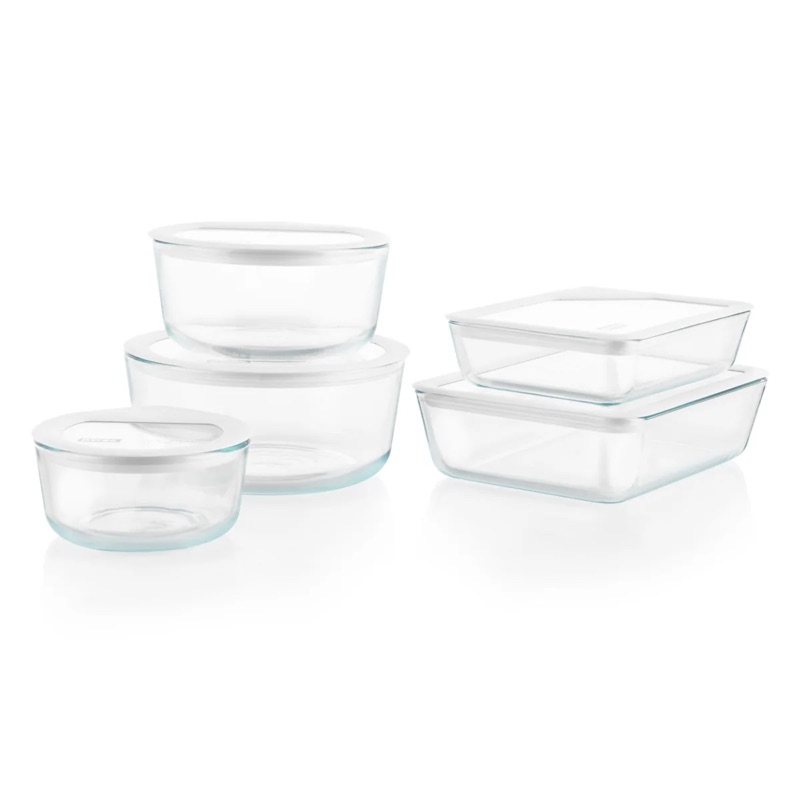 Pyrex
Pyrex Ultimate 10-Piece Glass Storage Set with Glass Lids
Tempered glass containers with glass lids that have a silicone rim, so no plastic touches the food. Heat limits are written out, but spare lids are not sold and Pyrex has a record of labeling and shattering disputes. -
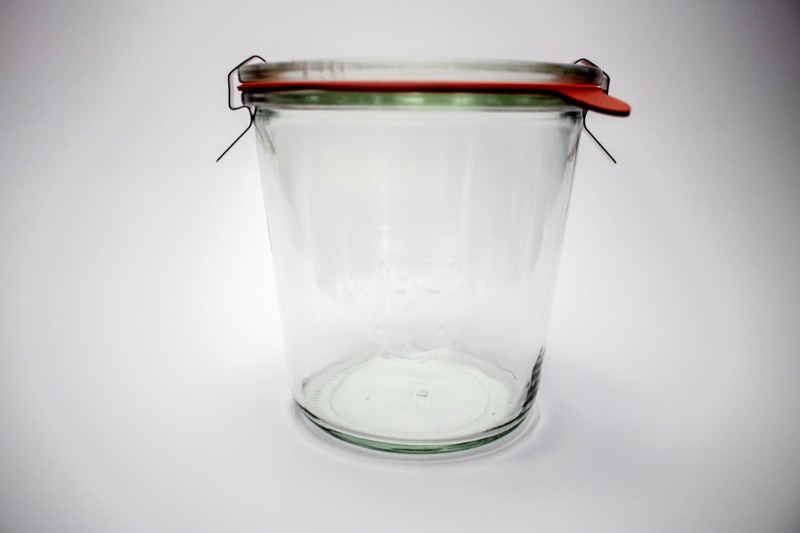 WECK
WECK Mold Jars, 1/2 L (set of 6)
Glass jars with glass lids and natural rubber rings, about $4 a jar. Lead Safe Mama's screening found lead in WECK glass in 2014 and 2019, and WECK has published no migration test. The rings are sold separately. -
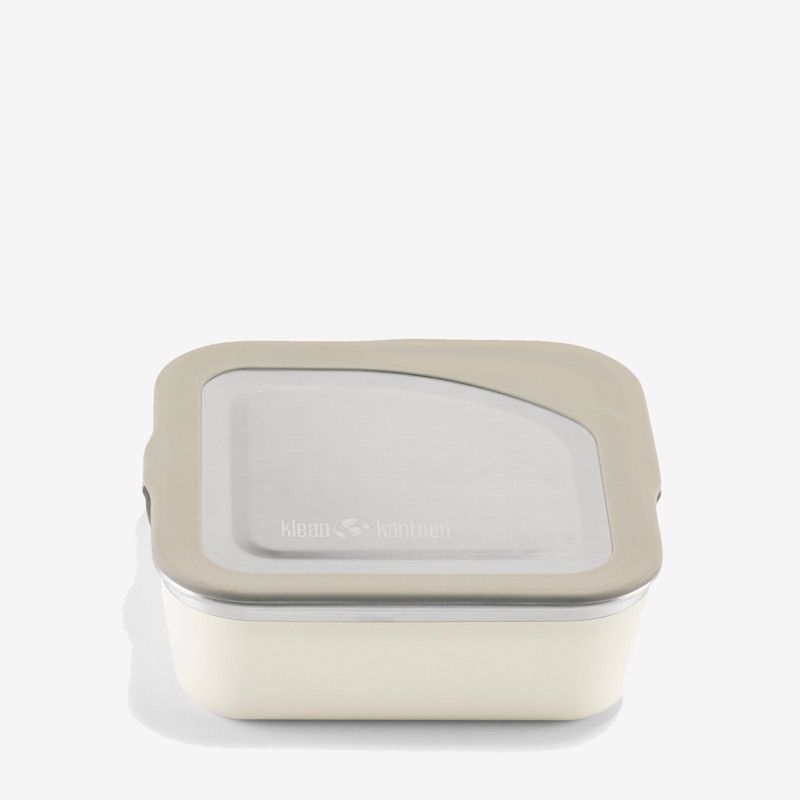 Klean Kanteen
 Rise Food Box, 23 oz
A 23 oz stainless steel lunch box with a silicone lid and a lifetime warranty. The colored outside is powder coated and the divider may be plastic. All safety claims are the maker's own; we found no contaminant test. -
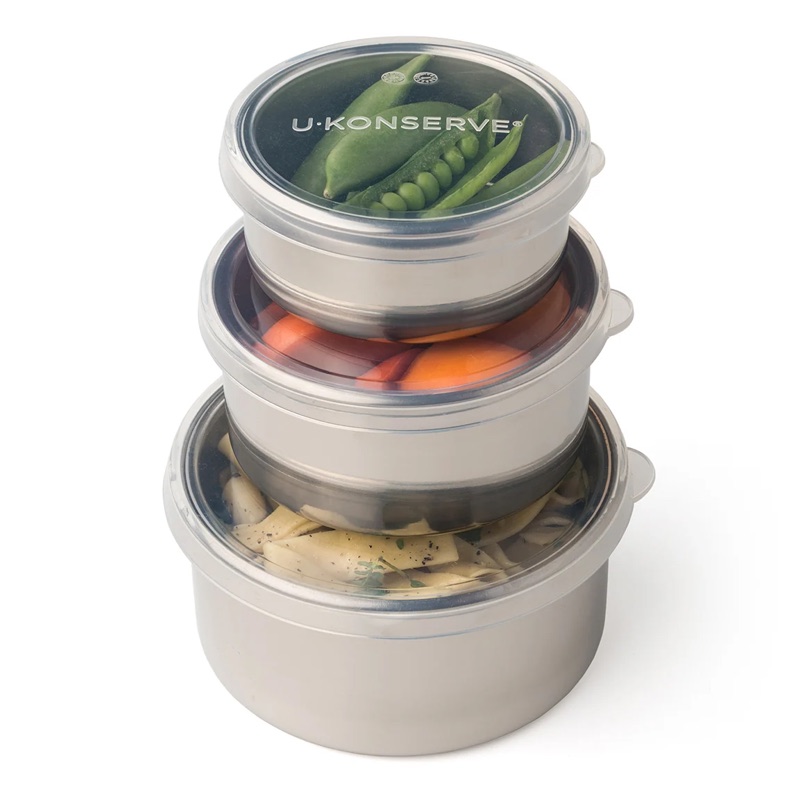 U-Konserve
 Round Stainless Steel Nesting Food Containers, set of 3
Three small 304 stainless steel containers with clear silicone lids, about $30. Spare lids are sold separately for under $3. Not for the microwave. The safety and testing claims are the maker's own; we found no report. -
 IKEA
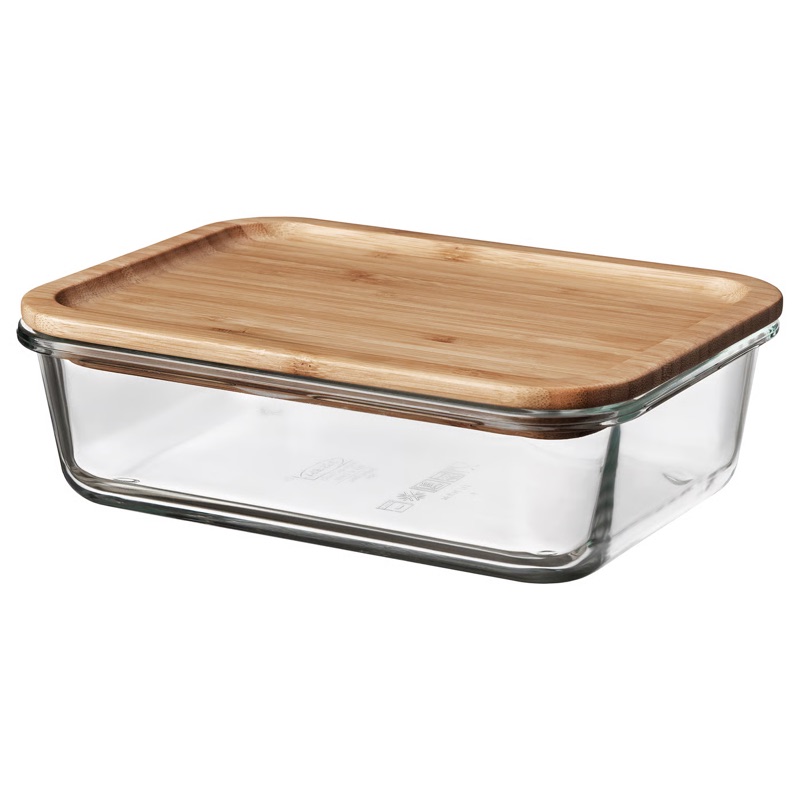
IKEA 365+ Food Container with Lid, rectangular glass/bamboo, 34 oz
A heat-resistant glass container with a bamboo lid and a silicone seal, from about $10, with no plastic. The lid carries an acrylic lacquer and an unnamed glue, is for the fridge only, and IKEA publishes no test of the glass. -
 Life Without Plastic
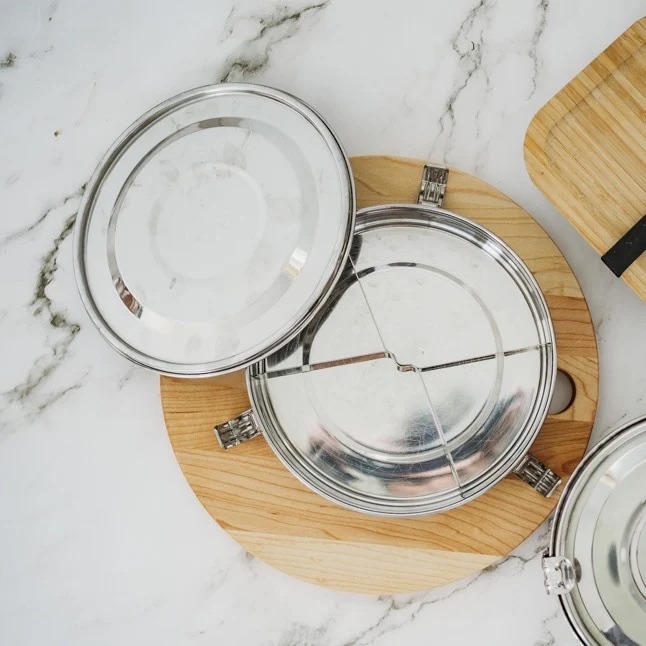
 Round Stainless Steel Airtight Take-Out Container with Dividers
A 1.1 L steel container with a steel lid and a silicone seal, made in South Korea, with grade, origin and care limits written out. The seal cannot be replaced, and the safety claims are the seller's own.