Coffee makers & gear
Brewers, espresso machines, grinders and kettles where hot water and coffee touch glass, ceramic or stainless steel.
How we rank coffee makers & gear
- What touches the water and coffee 45%
- Independent testing 10%
- Durability 20%
- Trust 10%
- Value 15%
Why, and what each one means
We rank coffee gear mostly by what hot water and coffee touch (45% of the score). Germany’s risk-assessment institute found portafilter espresso machines released lead, nickel and zinc at or beyond proposed limits, most after descaling (PubMed (opens in a new tab)). Glass, ceramic and stainless steel score highest; brass with no lead-free claim, PTFE seals, aluminum and unnamed plastic cost points. Almost nothing here has independent testing, so scores rest on disclosed materials. See lead in cookware and PTFE and PFAS.
- What touches the water and coffee 45%
- Glass, ceramic or stainless steel in the water and coffee path. Each plastic, PTFE or unlisted part that hot water or coffee touches costs points, as does brass with no lead-free claim.
- Independent testing 10%
- Highest when someone the maker does not pay (a consumer group, journalist, university or regulator) has tested it for the contaminants that matter here and published clean results. A certification the maker pays for, or the maker’s own lab reports, count for less, and claims with nothing published count for little.
- Durability 20%
- Built to last and to be repaired: a long warranty, parts sold separately and a maker that services what it sells.
- Trust 10%
- Highest when the maker names everything, answers questions, and has no recalls, warning letters, Prop 65 notices or lawsuits over safety or labeling. Points come off for unresolved problems and for paid promoters it does not disclose.
- Value 15%
- Price against brewers of the same kind that pass.
Each product scores every one from 1 to 5, and its rating is the weighted average. We list only products rated 3 or above that break none of our rules.
We avoid
- Plastic pods and plastic brew baskets that sit in near-boiling water.
- Uncoated aluminum where hot coffee sits, such as aluminum moka pots, when a stainless steel version exists.
- Machines whose maker will not say what the water path is made of, or names only the boiler.
Read the research
Know one that fits? Suggest a product
12 products · best rated first
-
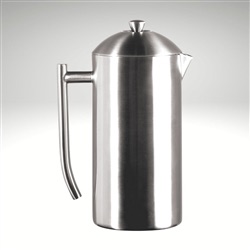 Frieling
 Double-Wall Stainless Steel French Press
A double-wall 18/10 stainless steel press that Frieling calls “100% stainless steel, no plastic anywhere”, with a 5-year warranty and sold spare parts. The claims are Frieling’s own, and French press coffee is unfiltered. -
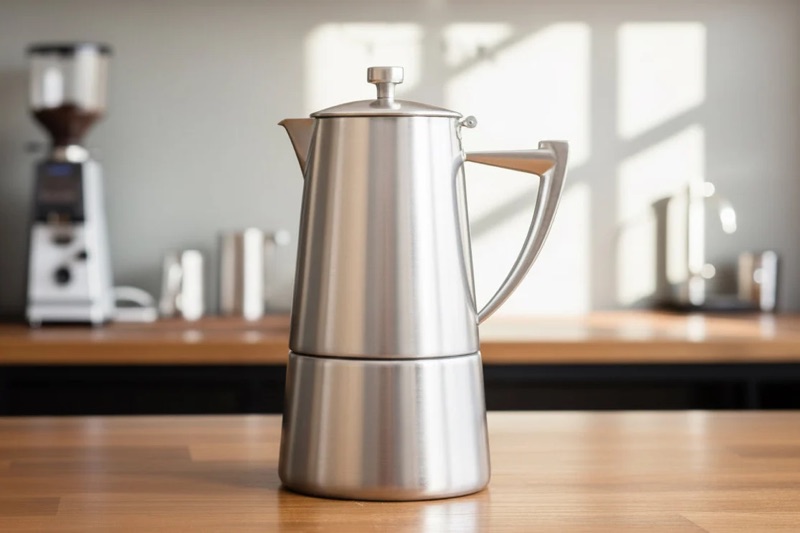 Cuisinox
 Roma Satin Stainless Steel Stovetop Moka Pot (6 cup)
A stovetop moka pot in heavy-gauge 18/10 stainless steel, with a 25-year limited warranty and sold spare parts. Cuisinox says it is free of PTFE and PFAS. The safety valve is brass, and we found no test of any of it. -
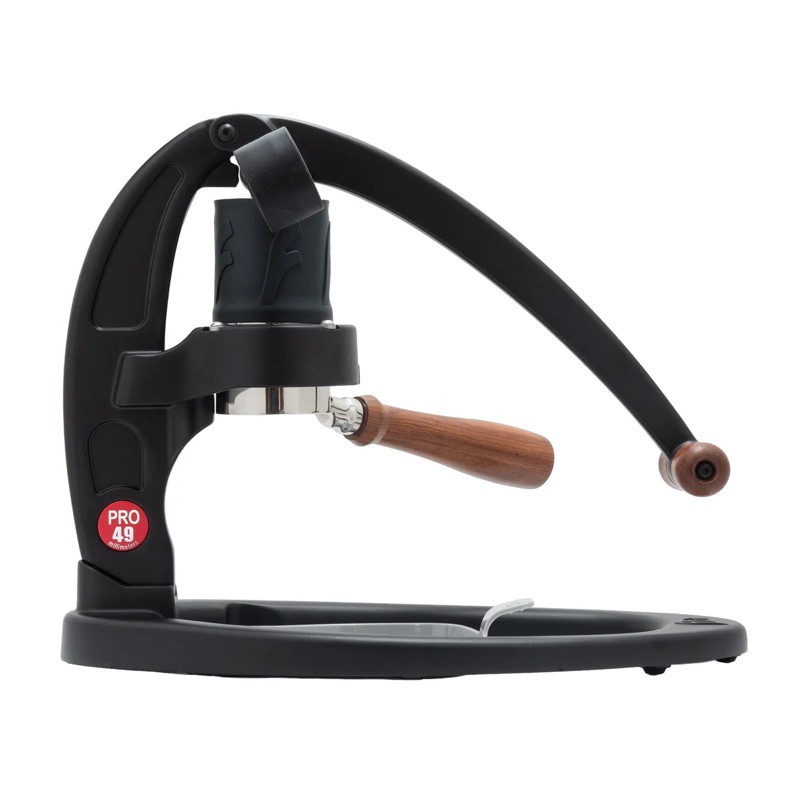 Flair Espresso
Flair 49 PRO Manual Lever Espresso Maker
A hand-pressed espresso maker with no boiler, pump or electronics. Flair says the whole brew path is stainless steel with no plastic. That is the maker’s claim: we found no test, and the five O-rings are not named. -
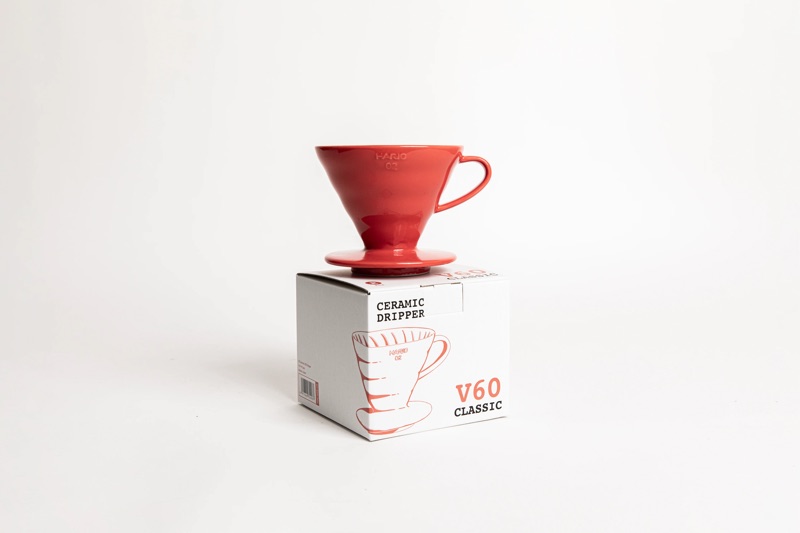 Hario
Hario V60 Ceramic Coffee Dripper 02
A porcelain cone that holds a paper filter: no electronics, no plastic, nothing to descale. Hario says it is Japanese porcelain. We found no test of the glaze or of Hario’s filters. -
 Hario
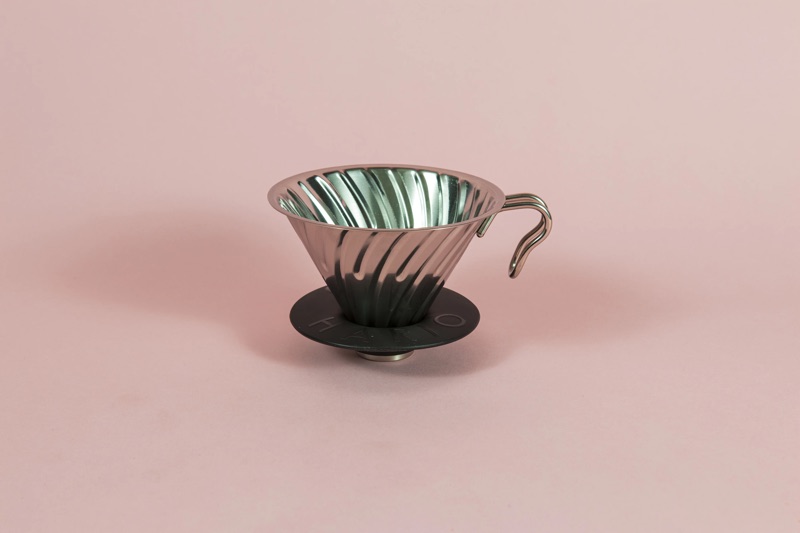
Hario V60 Metal Coffee Dripper 02
The V60 shape in plain stainless steel, with no coating on the silver one and a removable silicone holder. Hario says it is dishwasher safe. We found no test, and Hario does not say how its white filters are bleached. -
 Kalita
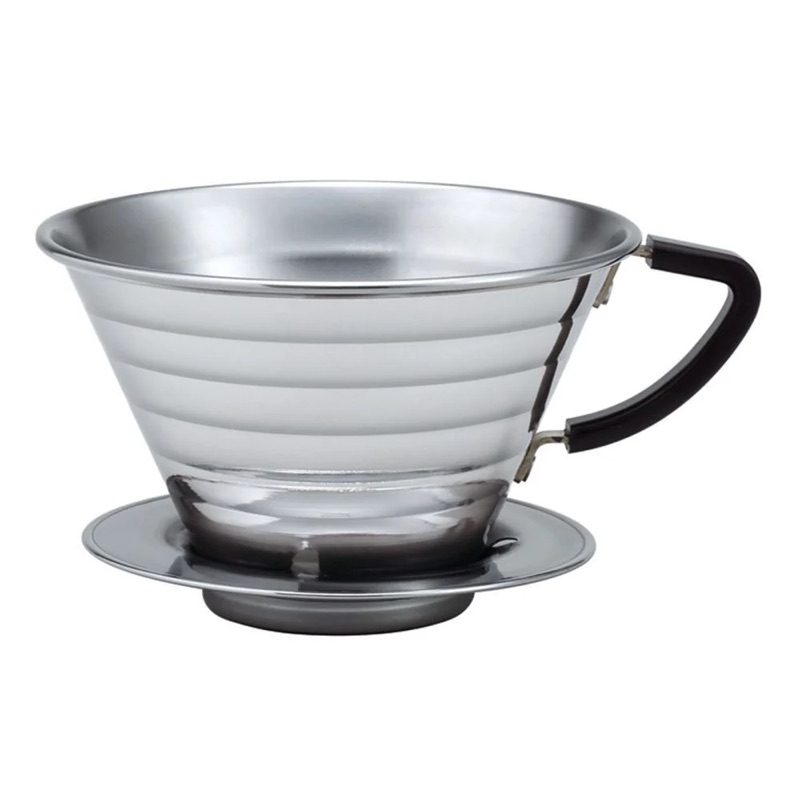
 Wave 185 Stainless Steel Coffee Dripper
A stainless steel pour-over dripper with a flat bed and a paper filter. Kalita says it is stainless steel, made in Japan and dishwasher safe. We found no test, and Kalita does not say how its filters are bleached. -
 Chemex
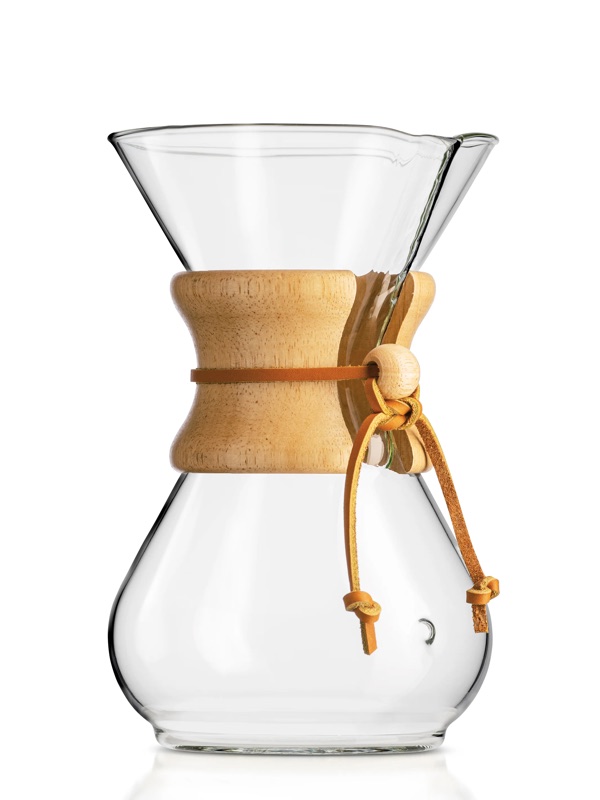
 Classic 6-Cup Pour-Over Coffeemaker
A borosilicate glass carafe with a wood collar, used with paper filters. Nothing plastic touches the water or coffee. An independent lab found a PFAS marker in Chemex’s Natural filters in 2023, so use the white or a reusable filter. -
 Fellow
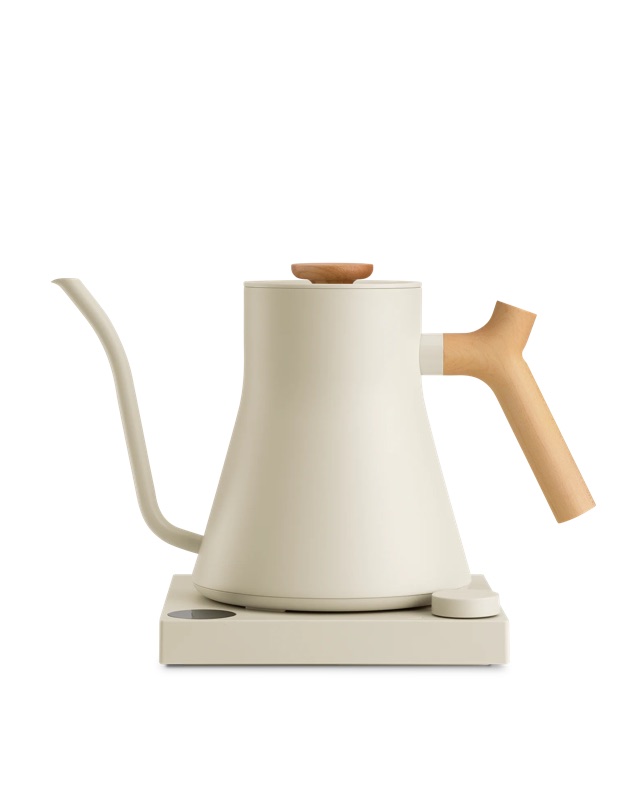
 Stagg EKG Pro Electric Pour-Over Kettle
An electric gooseneck kettle with a 304 stainless steel body and a “BPA-free” plastic handle and lid pull. Its Prop 65 warning is about the cord. The materials are Fellow’s word, and its manual says not to open it, though spares are sold. -
 Teabloom
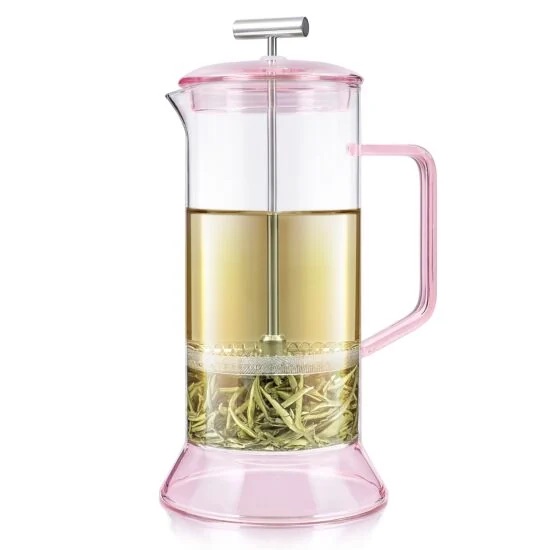
 Toulouse Borosilicate Glass French Press (Tea Press), 24 oz, Dawn Rose
All-glass French press with an 18/10 steel plunger and a silicone washer. Teabloom’s SGS report found no leachable lead in the glass; Lead Safe Mama’s screen agrees. Some reviews report cracks. Amazon is the only other store. -
 ECM
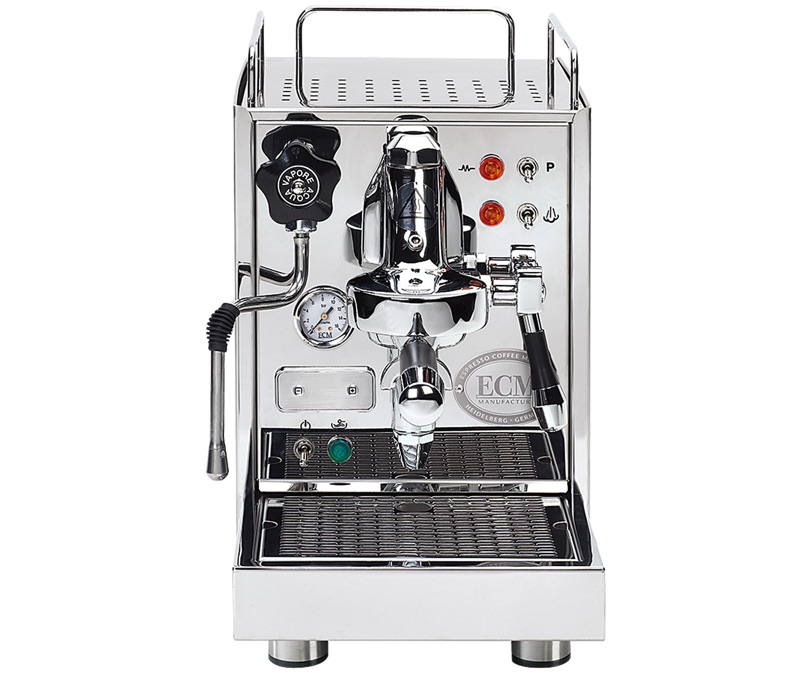
ECM Classika PID Espresso Machine
A compact single-boiler machine whose maker names a stainless steel boiler. A retailer’s parts list shows silicone tubing and PTFE gaskets; the E61 group is chrome-plated brass, and nothing says the brass is lead-free. -
 ECM
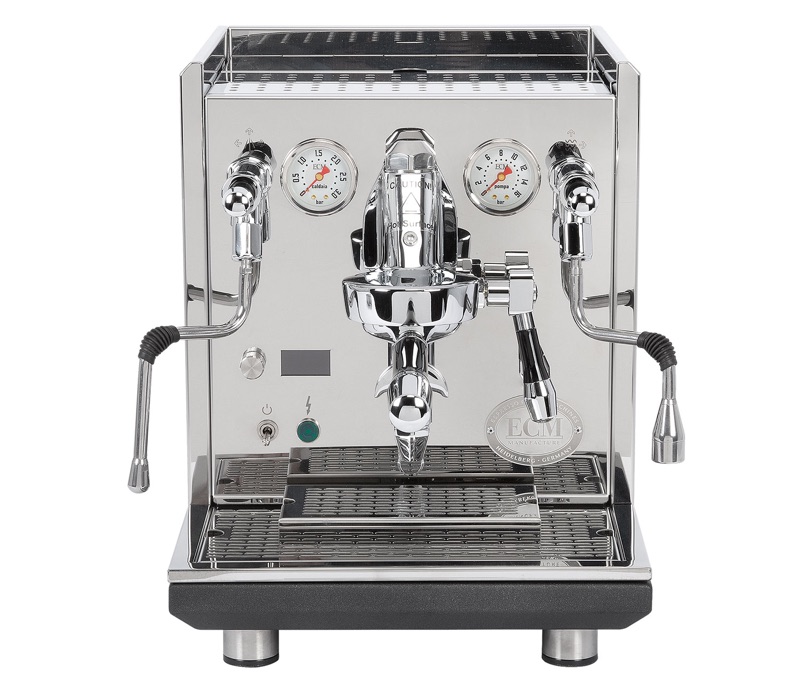
ECM Synchronika II Espresso Machine
A dual-boiler machine whose maker names stainless steel boilers. A retailer’s parts list shows silicone tubing, a brass fitting and PTFE gaskets; the E61 group is chrome-plated brass, and nothing says the brass is lead-free. -
 Profitec
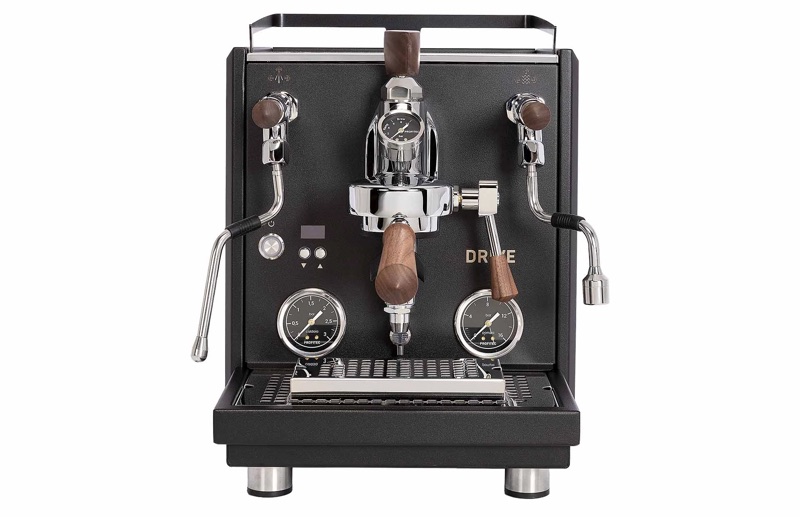
 Drive Dual Boiler Espresso Machine
A dual-boiler machine whose maker names stainless steel boilers and a stainless steel group mushroom. A retailer’s parts list shows silicone hose, brass fittings and PTFE washers; nothing says the brass is lead-free.