Baby & kids nutrition
Infant formula and children’s foods screened for heavy metals, pesticides and plasticizers by an outside group.
How we rank baby & kids nutrition
- Ingredients 30%
- Independent testing 35%
- Trust 25%
- Value 10%
Why, and what each one means
Independent testing weighs most because the US sets no federal limits on lead, arsenic, mercury or cadmium in infant formula (Consumer Reports (opens in a new tab)), and most baby foods carry some (our guide). A recall of a baby product weighs heavily on trust. Most babies do fine on any regulated, iron-fortified formula of the right type, store brands included, so we do not rank formulas on nutrition claims (our guide).
- Ingredients 30%
- Organic where it matters, every ingredient named, no added sugar, no artificial anything. Formula meets FDA nutrient rules and is iron-fortified.
- Independent testing 35%
- Lead, arsenic, cadmium and mercury measured in the product by a lab the maker does not pay where possible, with results published and low.
- Trust 25%
- Highest when the maker has no recalls, warning letters or lawsuits over safety, publishes its test results, and answers questions. A recall of a baby product weighs heavily.
- Value 10%
- Price per serving against the others here that pass.
Each product scores every one from 1 to 5, and its rating is the weighted average. We list only products rated 3 or above that break none of our rules.
We avoid
- Homemade or raw-milk formulas, which are not safe substitutes.
- “Clean” or “toxin-free” claims with no named tester.
- Switching a baby’s formula without asking a pediatrician.
Read the research
Know one that fits? Suggest a product
5 products · best rated first
-
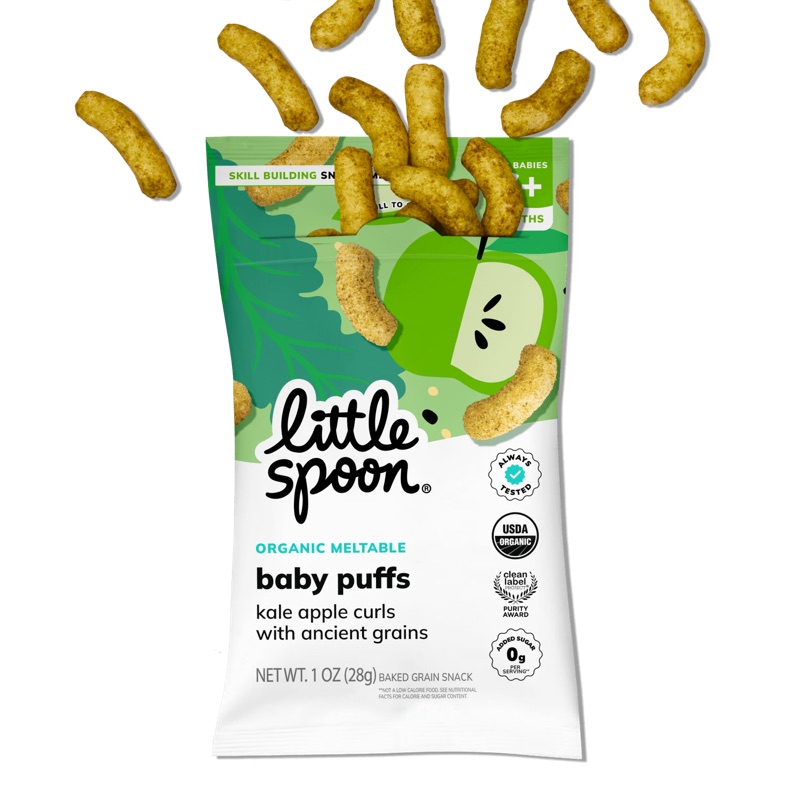 Little Spoon
 Kale Apple Meltable Baby Curls, 1 oz bag
Six organic ingredients, no rice and no added sugar. Consumer Reports’ 2026 test found no arsenic, low lead and cadmium, and no PFAS in this snack, and rated it 5 of 5 on every measure. Phthalates were present. About $4 to $5 an ounce. -
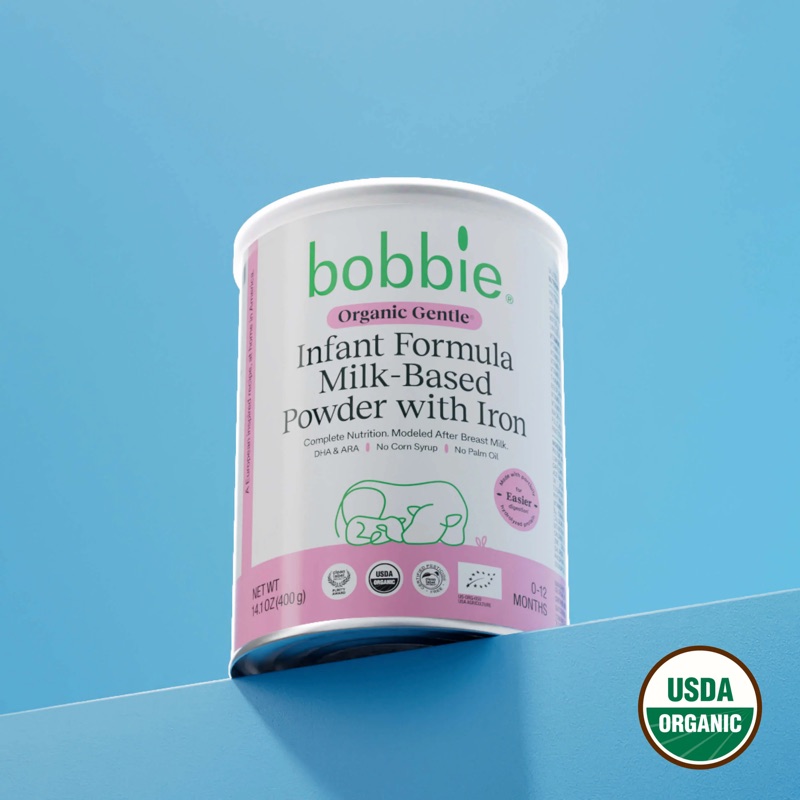 Bobbie
 Organic Gentle Infant Formula (14.1 oz can)
Organic formula with partly broken-down whey for fussy babies that, unlike most “gentle” formulas, keeps lactose as its only sugar. Consumer Reports rated it a top choice; same Bobbie record as the original. Not for milk allergy. -
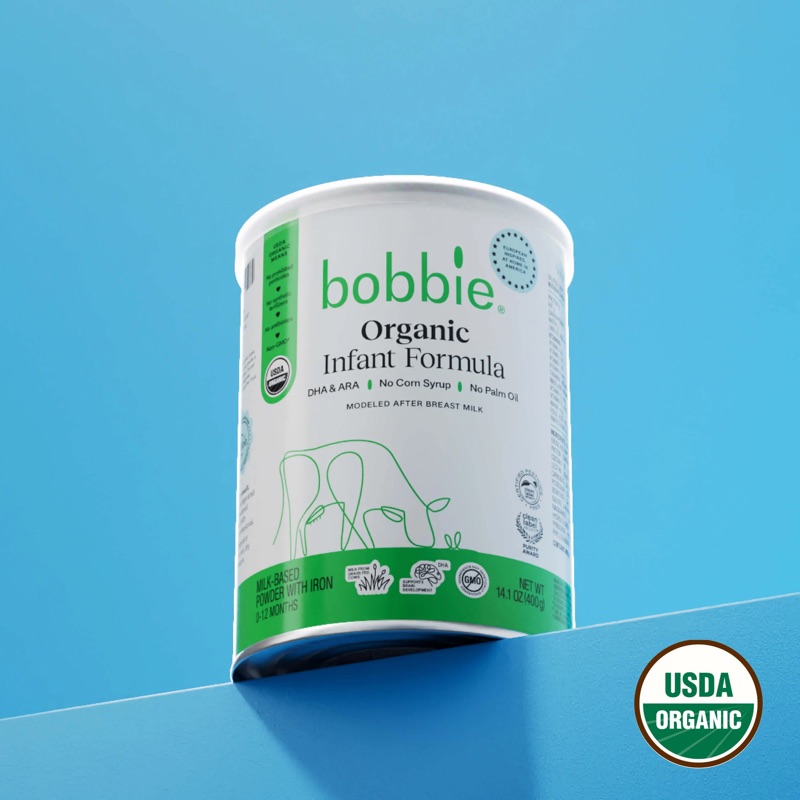 Bobbie
 Organic Infant Formula, original recipe (14.1 oz can)
Organic, US-made formula whose only sugar is lactose. Consumer Reports found no arsenic, cadmium or mercury and little lead; Florida’s own results show low levels. A 2019 recall hit an older imported Bobbie formula. -
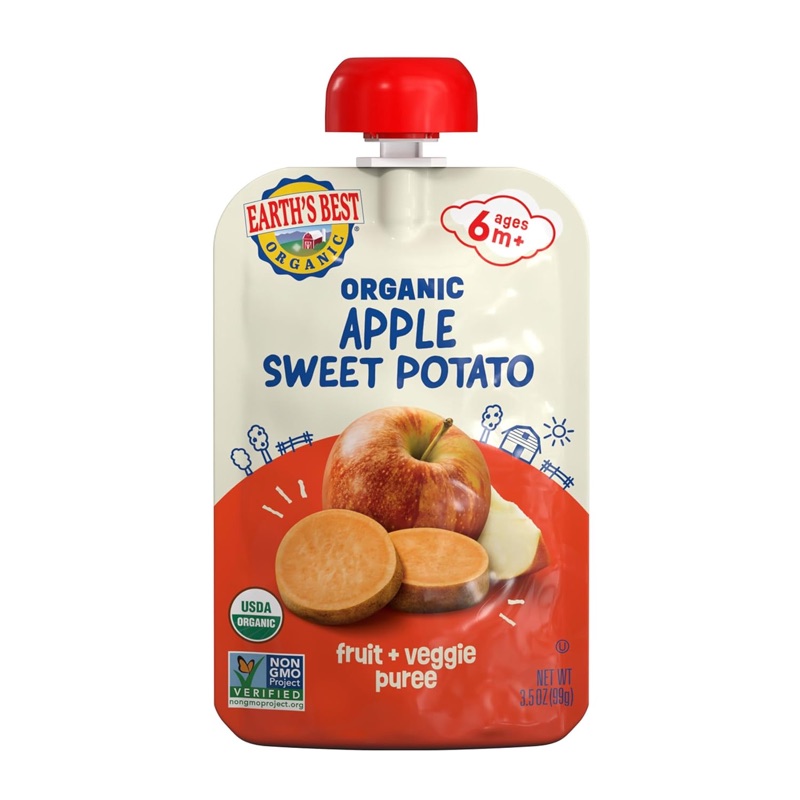 Earth’s Best
 Organic Stage 2 Apple + Sweet Potato Puree, 3.5 oz pouch
Four-ingredient organic puree. Consumer Reports found no PFAS, BPA or phthalates, low lead, moderate arsenic (one pouch a day) and microplastics. Its maker, Hain, is a defendant in baby-food heavy-metal lawsuits and has a documented past. -
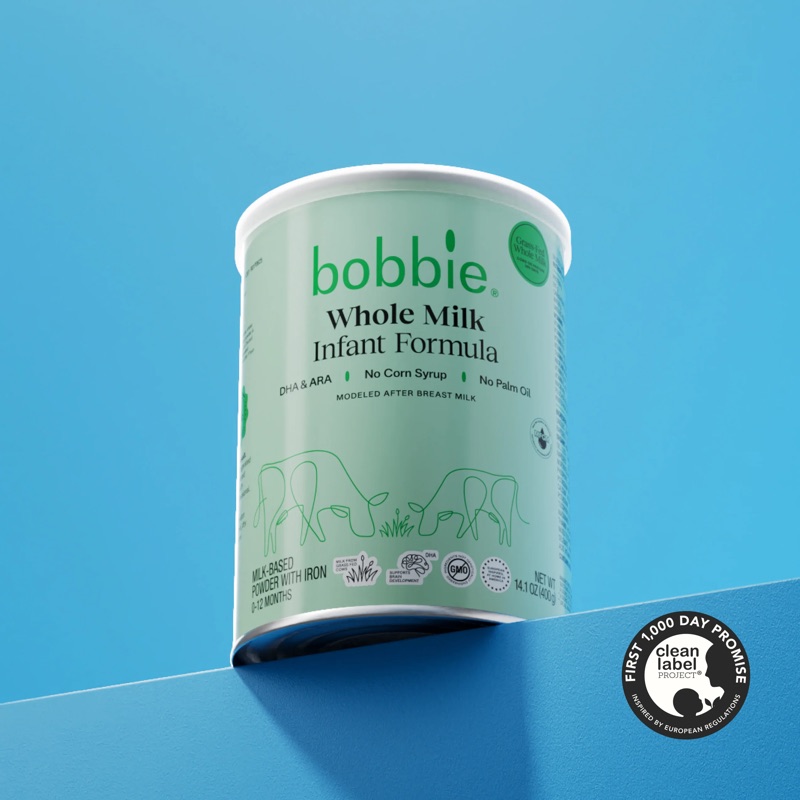 Bobbie
 Whole Milk Infant Formula, grass-fed (14.1 oz can)
Whole-milk formula, almost all organic but no USDA Organic seal. Consumer Reports and Lead Safe Mama found no lead, arsenic, cadmium or mercury, but Florida’s own results flag its mercury (average 4.33 ppb); Bobbie disputes that.