Coffee
Beans and capsules from roasters who publish lab tests, roast dates and how their decaf is made.
How we rank coffee
- Beans & farming 25%
- Independent testing 35%
- Roast & packaging 15%
- Trust 10%
- Value 15%
Why, and what each one means
We weight independent testing most (35%), because an organic label does not show what a bag holds and only a lab can. Most coffee tests within food-safety limits for mold toxins (2024 review of 40 studies (opens in a new tab); our guide), so a clean report is a bonus, not a cure. Organic coffees still show glyphosate breakdown products in tests (Clean Label Project (opens in a new tab)). Beans, a roast date and a named decaf process fill out the score; price per ounce comes last.
- Beans & farming 25%
- Certified organic, a named origin, and for decaf a solvent-free process (Swiss Water, mountain water or CO2).
- Independent testing 35%
- Mold toxins (ochratoxin A), pesticides and heavy metals measured, with results published, by a lab the maker does not pay where possible.
- Roast & packaging 15%
- A roast date on the bag and whole beans offered. Each plastic part that touches the coffee in a pod or filter costs points.
- Trust 10%
- Highest when the maker names everything, answers questions, and has no recalls, warning letters, Prop 65 notices or lawsuits over safety or labeling. Points come off for unresolved problems and for paid promoters it does not disclose.
- Value 15%
- Price per ounce against the others here that pass.
Each product scores every one from 1 to 5, and its rating is the weighted average. We list only products rated 3 or above that break none of our rules.
We avoid
- Decaf that does not say how the caffeine was removed.
- “Mold-free” or “toxin-free” claims with no lab report behind them.
- Fear-based marketing. Most coffee tests within food-safety limits, so lab testing is a bonus, not a cure.
Read the research
Know one that fits? Suggest a product
9 products · best rated first
-
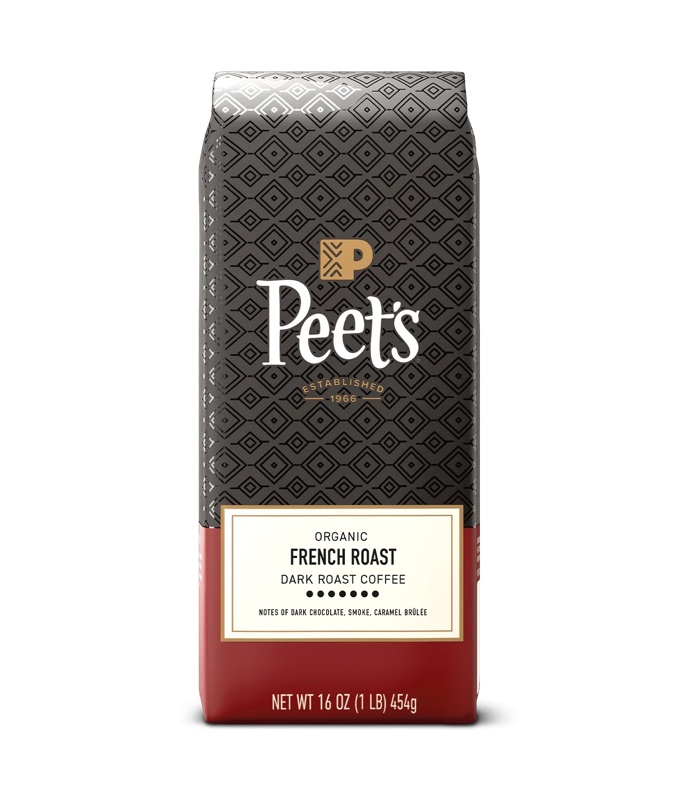 Peet’s Coffee
 Organic French Roast Dark Roast Ground Coffee (10.5 oz)
Plain organic dark roast, listed by USDA. Mamavation’s lab found no pesticides, mold toxins, mold or PFAS in the ground bag; no metal figures. Freshest By date set 365 days after roasting. About $1 an ounce at retail, $1.37 from Peet’s. USDA Organic (QAI) -
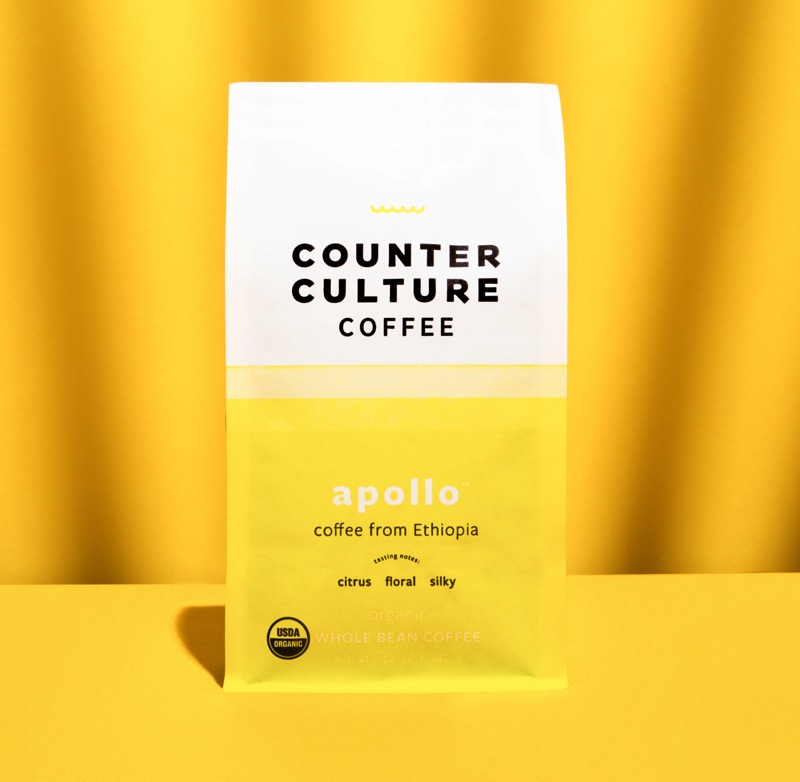 Counter Culture Coffee
Counter Culture Apollo Organic Medium Roast Whole Bean
Organic washed Ethiopian blend, named in USDA’s listing, with a roasted-on date on the bag. Counter Culture publishes no lab results, so mold toxin, pesticide and metal levels are unknown. About $1.67 an ounce. USDA Organic (CCOF) -
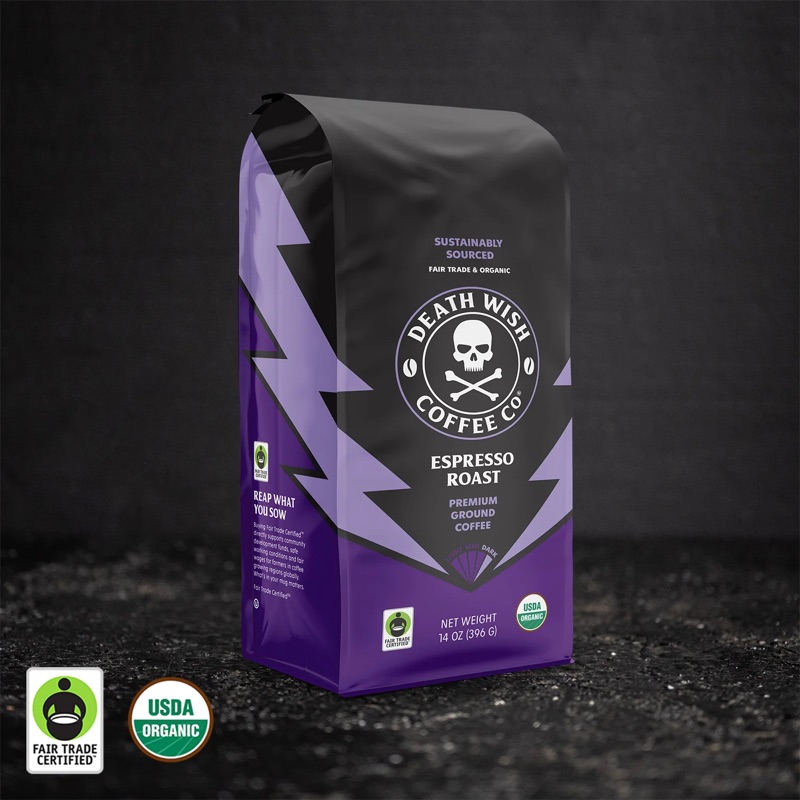 Death Wish Coffee Company
Death Wish Coffee Organic Espresso Roast Ground Coffee (14 oz)
Organic arabica-robusta espresso roast listed by USDA. Mamavation’s lab found no pesticides, mold toxins or PFAS, and Lead Safe Mama found no metals in 2024 but 6.89 ppb cadmium in 2025. No roast date or farm named. About $1.43 an ounce. USDA Organic (QAI) -
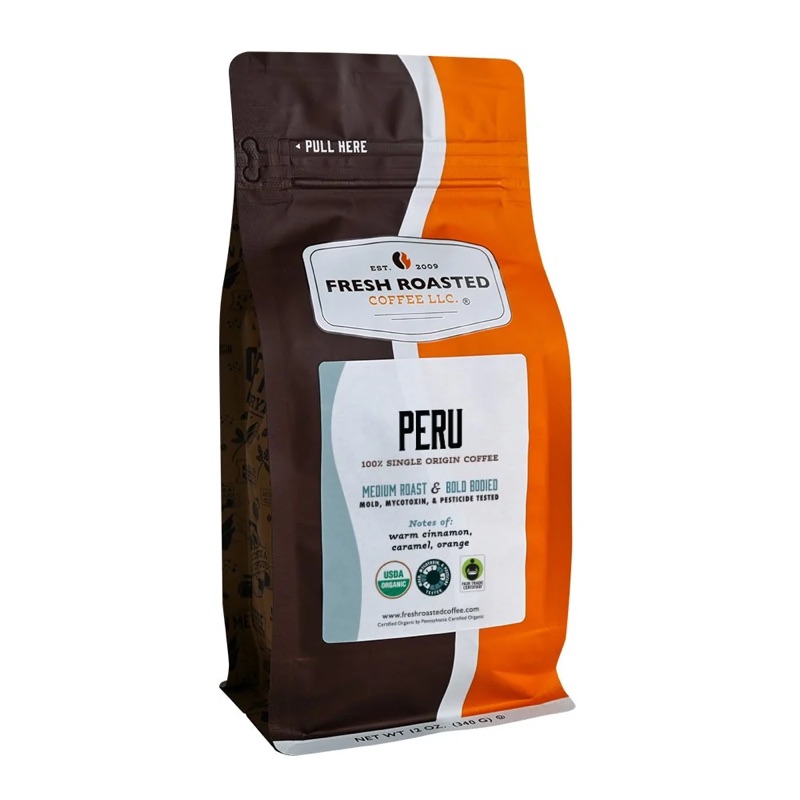 Fresh Roasted Coffee
 Organic Peru Whole Bean
A budget organic Peru roasted to order, with the roast date on every bag. USDA lists it as organic. The maker says it was tested for mold toxins and pesticides but names no lab and posts no report. About $1.33 an ounce. USDA Organic (Pennsylvania Certified Organic) -
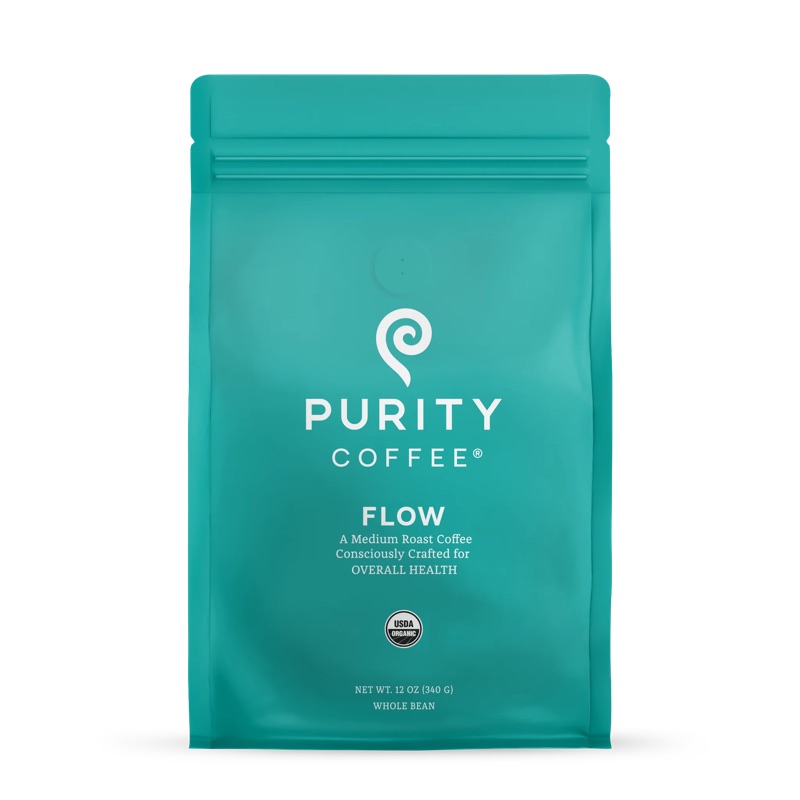 Purity Coffee
 FLOW Original Medium Roast Whole Bean
A USDA Organic medium roast with a posted mold-toxin report (maker-paid) and an independent lab test that found no mycotoxins or PFAS, but 15 ppb of a fungicide. Antioxidant claims have no numbers behind them. About $2.42 an ounce. USDA Organic (Pennsylvania Certified Organic) -
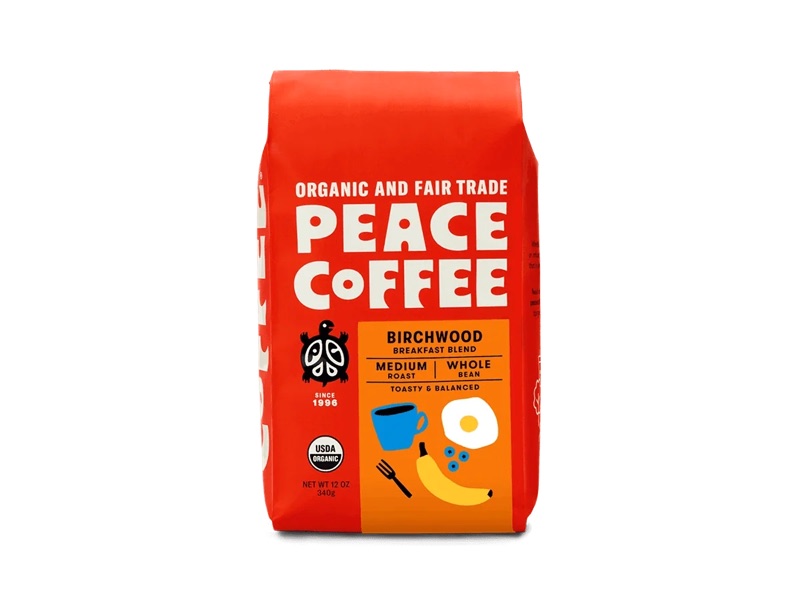 Peace Coffee
 Birchwood Organic Medium Roast Whole Bean (12 oz)
Organic medium roast from three named farmer co-ops in Peru and Honduras, listed by USDA. Among Clean Label Project’s 16 cleanest of 57 coffees in 2025; Peace publishes no tests or roast date. About $1.50 an ounce, less at Target. USDA Organic (QAI) · Certified B Corporation (B Lab directory, certified since November 2017) -
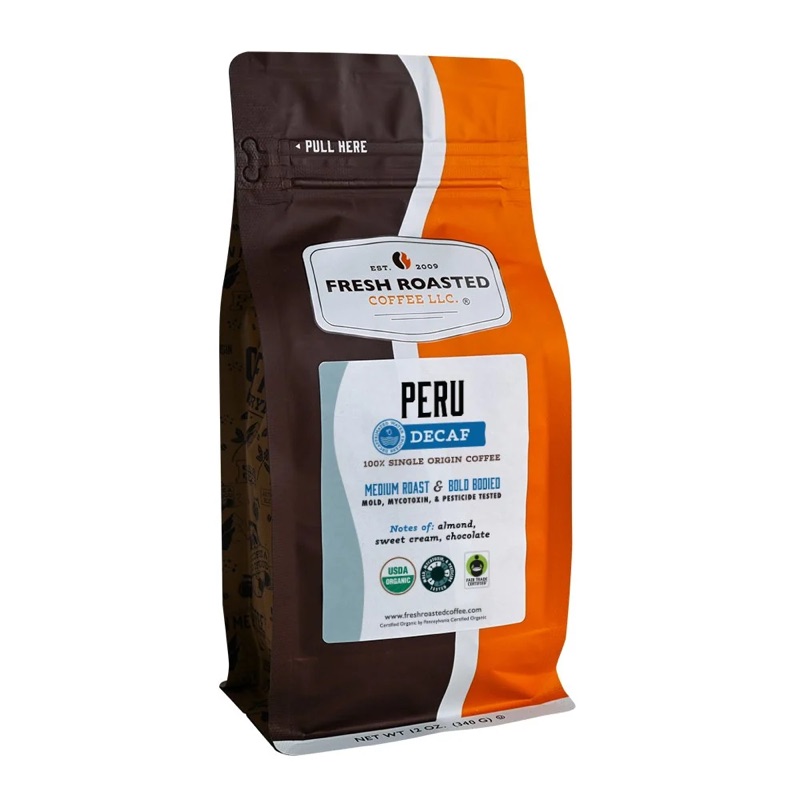 Fresh Roasted Coffee
 Organic Peru Water-Processed Decaf Whole Bean
A budget organic decaf made with a water process the page calls Swiss Water. USDA lists it as organic and the roast date is on the bag. Mold and pesticide testing is the maker’s claim, with no lab named. About $1.42 an ounce. USDA Organic (Pennsylvania Certified Organic) -
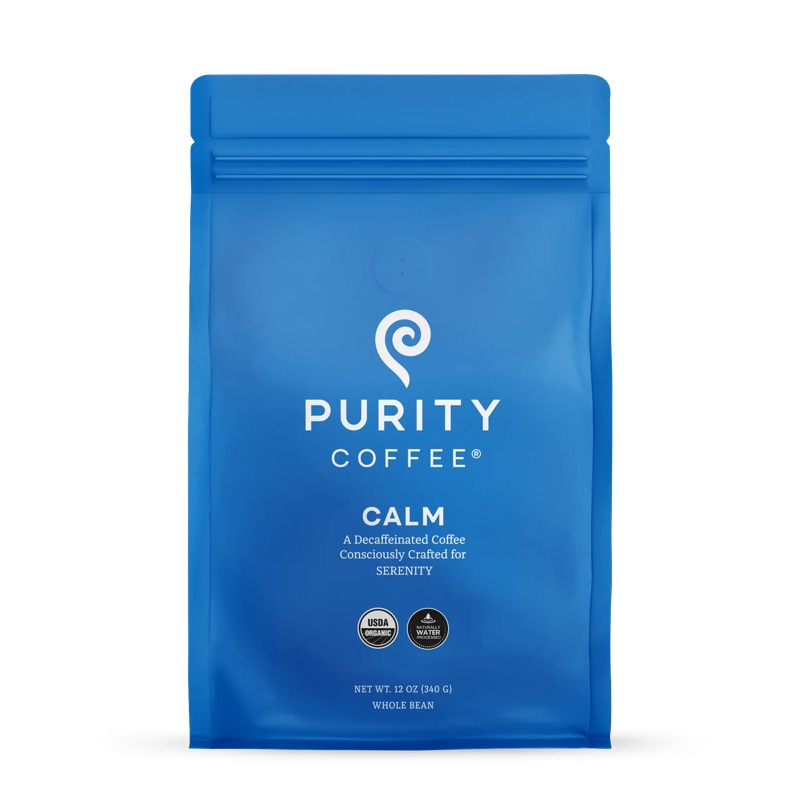 Purity Coffee
 CALM Decaf Whole Bean
An organic decaf that names its process, Mountain Water, which uses water, not solvents. Purity posts a mold-toxin report it paid for; no independent test of CALM found. The process claim and the price, about $2.42 an ounce, are caveats. USDA Organic (Pennsylvania Certified Organic) -
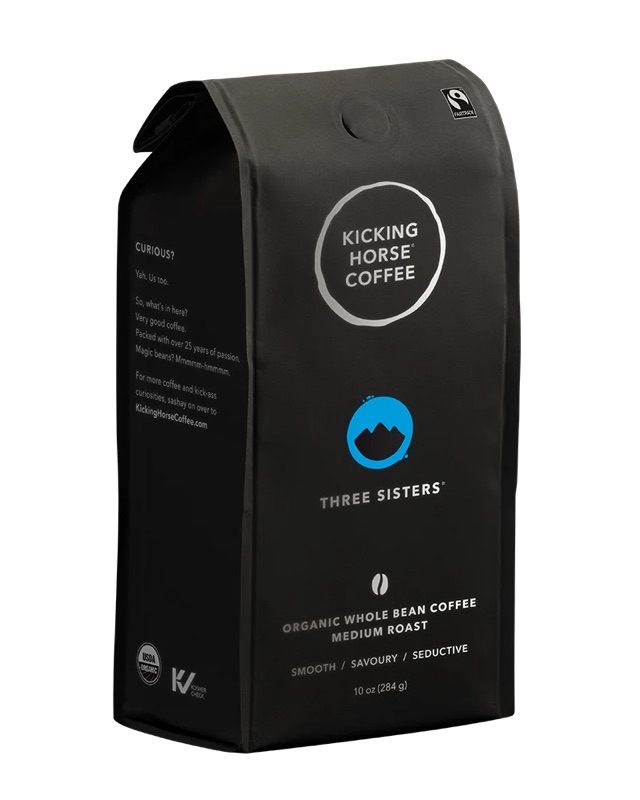 Kicking Horse Coffee
Kicking Horse Three Sisters Medium Roast Whole Bean
A widely sold organic medium roast that USDA lists by name and that ranked in Clean Label Project’s cleanest 16 of 57 coffees in 2025. The bag has a best-by date, not a roast date, and no lab results are posted. About $1.70 an ounce. USDA Organic (Ecocert)