Cooking oils & fats
Oils and fats for everyday cooking, judged on purity, freshness and how they handle heat.
How we rank cooking oils & fats
- Ingredients & processing 35%
- Independent testing 25%
- Packaging 15%
- Trust 10%
- Value 15%
Why, and what each one means
Processing comes first because it decides what you eat: one ingredient, pressed or rendered rather than solvent-extracted (how oils behave under heat). Testing is next because labels are often wrong: UC Davis found 82 percent of 22 avocado oils rancid or mixed with cheaper oils (avocado oil). Packaging matters because plastic is a likely source of the phthalates Mamavation found, from 8 to 56,808 ppb.
- Ingredients & processing 35%
- One ingredient, pressed or rendered rather than solvent-extracted and refined, with nothing added.
- Independent testing 25%
- Highest for independent tests showing it is what the label says (avocado and olive oils are often cut or stale) and free of contaminants.
- Packaging 15%
- Glass or tin. Plastic costs points.
- Trust 10%
- Highest when the maker names everything, answers questions, and has no recalls, warning letters, Prop 65 notices or lawsuits over safety or labeling. Points come off for unresolved problems and for paid promoters it does not disclose.
- Value 15%
- Price per ounce against the others here that pass.
Each product scores every one from 1 to 5, and its rating is the weighted average. We list only products rated 3 or above that break none of our rules.
We avoid
- Hexane-extracted oils, and “vegetable oil” blends that do not name the plant.
- Clear plastic bottles kept under shop lights.
- Health claims for a cooking oil that go beyond its fat profile.
- Oils made by fermentation whose maker will not name the organism or say whether it is genetically modified.
Read the research
Know one that fits? Suggest a product
8 products · best rated first
-
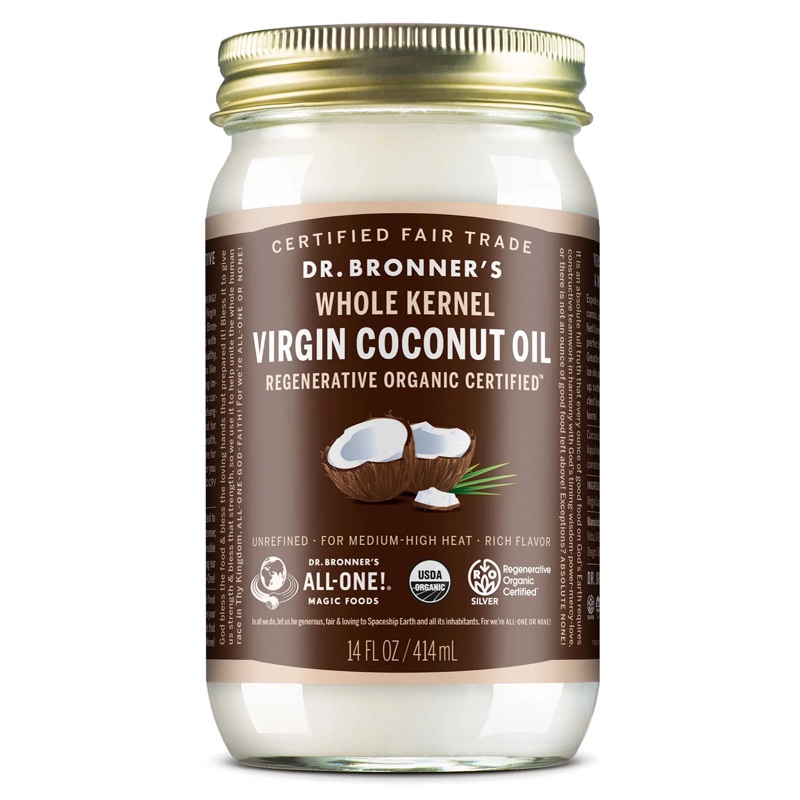 Dr. Bronner’s
 Whole Kernel Virgin Coconut Oil, 14 oz glass jar
One-ingredient virgin coconut oil in a glass jar at about $0.88 an ounce. Lead Safe Mama’s lab found no lead, cadmium, mercury or arsenic, and Mamavation’s 126 ppb of phthalates was the lowest of 12 coconut oils. About 82% saturated fat. -
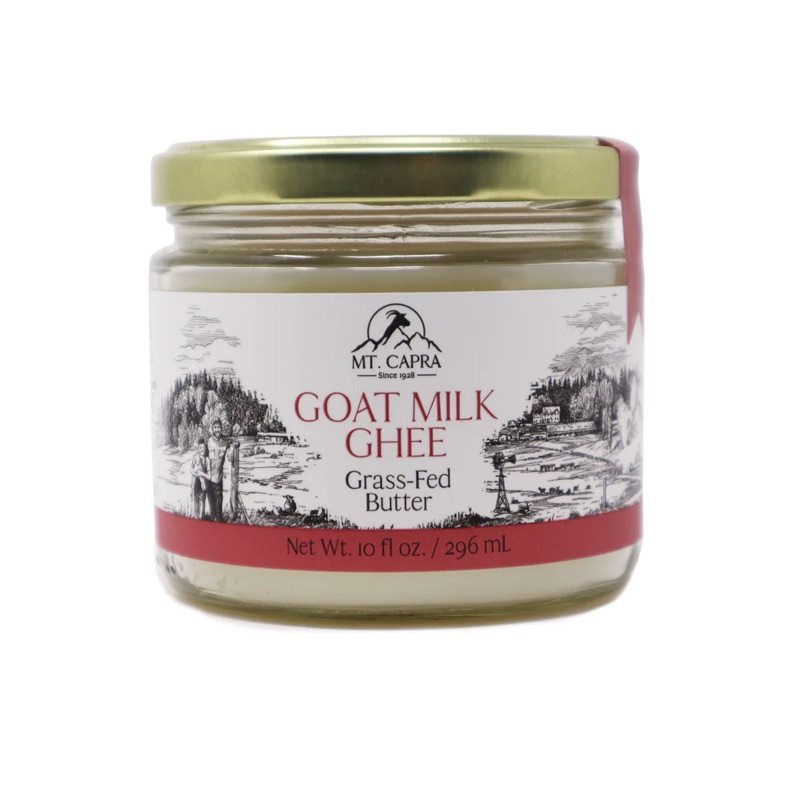 Mt. Capra
 Goat Milk Ghee, 10 fl oz glass jar
Goat milk ghee with one ingredient, in a glass jar. Mamavation’s lab found no phthalates and Lead Safe Mama’s found no lead, cadmium, mercury or arsenic; the maker also posts a lot report. At $2.30 an ounce it is the dearest ghee here. -
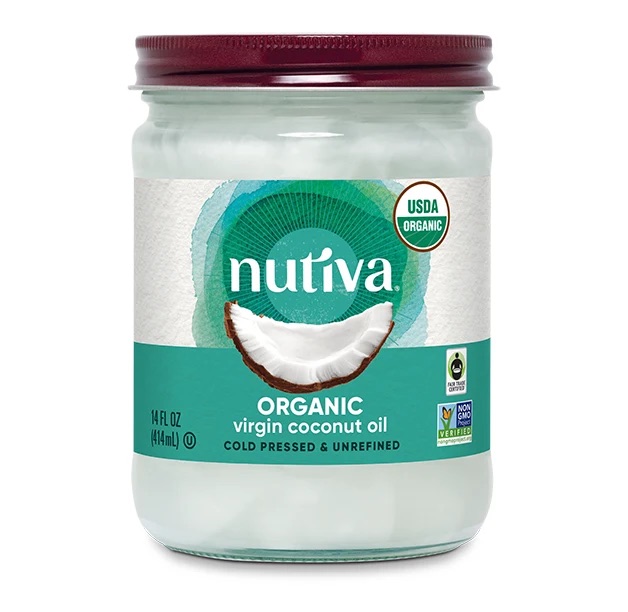 Nutiva
 Organic Virgin Coconut Oil
One-ingredient, cold-pressed coconut oil in a glass jar, the cheapest fat we list per ounce. A lab found 387 ppb of phthalates, mid-range for coconut oil. It is about 93% saturated fat and for medium heat only. USDA Organic (QAI; scope lists coconut oil) -
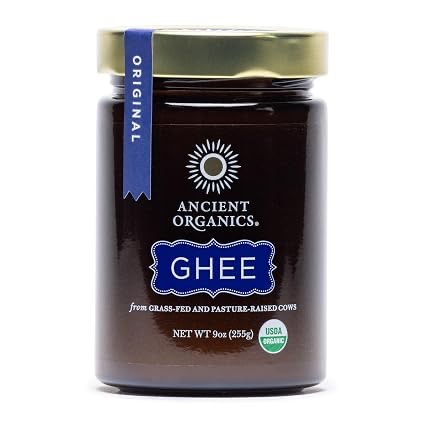 Ancient Organics
 Organic Ghee (original), 9 oz glass jar
Organic ghee from one ingredient, in a glass jar, with no phthalates found in Mamavation’s lab test. The maker names no farm and its pages list different source countries. About 60% saturated fat, so keep portions small. USDA Organic handler, certified by CCOF since 2009; its listed products include ghee (USDA Organic Integrity Database) -
 Marianne’s Harvest
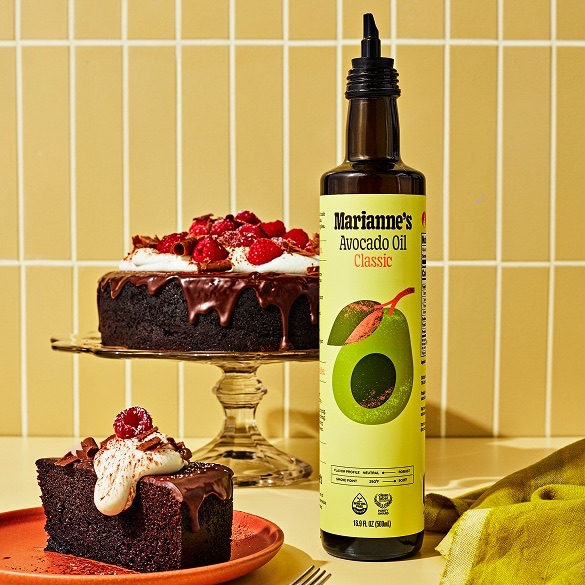
 Classic Avocado Oil
One-ingredient avocado oil that UC Davis found pure and fresh in 2020. It is refined, both its seals are paid for, and no independent test of heavy metals or plasticizers is published. In dark glass, about $1 an ounce. Seed Oil Free Certified · Clean Label Project listing -
 Marianne’s Harvest
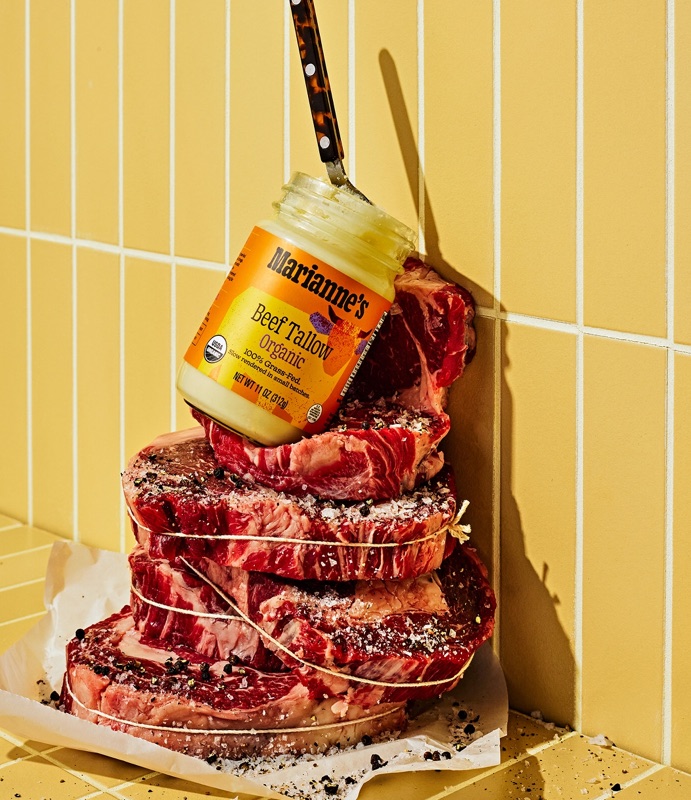
 Organic Beef Tallow
A one-ingredient organic beef tallow, slow-rendered in a glass jar. The organic and seed-oil seals are paid, “100% grass-fed” has no certifier behind it, and no independent test of the tallow itself exists. About $1.54 an ounce at Walmart. USDA Organic (processor’s entry lists beef tallow) · Seed Oil Free Certified -
 Organic Valley
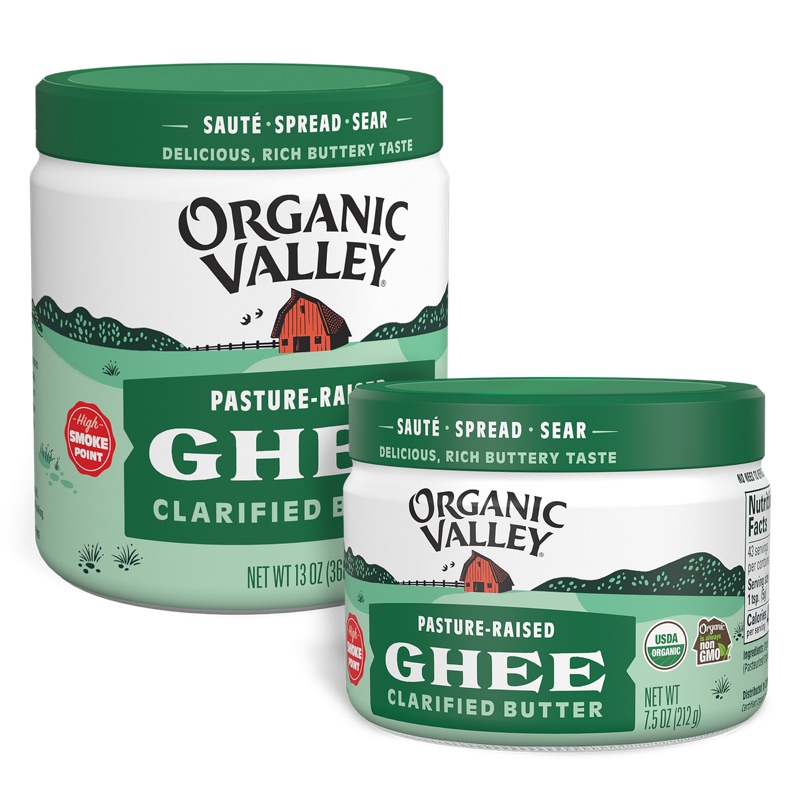
 Organic Ghee (Clarified Butter)
A shelf-stable ghee from a USDA-certified organic dairy cooperative, made by simmering organic butter. An independent lab found 105 ppb of phthalates, in the lowest tier tested. It is not cultured and not labelled grass-fed. USDA Organic (Oregon Tilth; scope lists ghee) -
 Pure Indian Foods
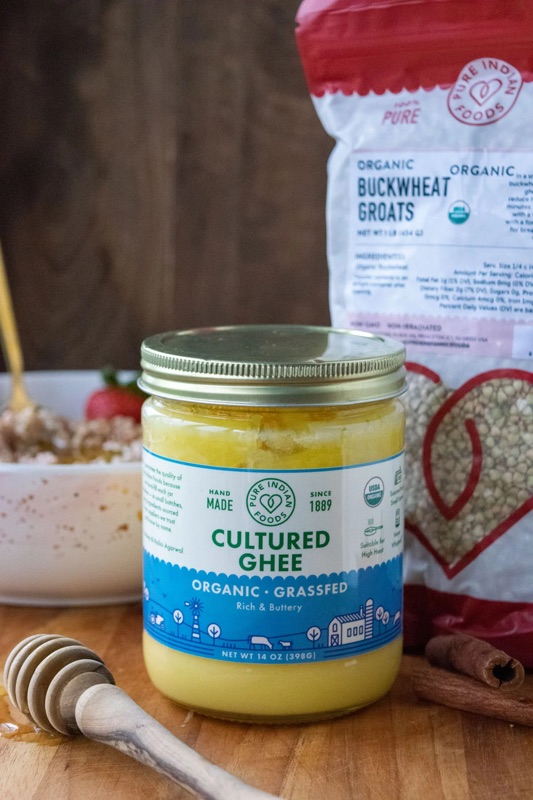
 Organic Cultured Ghee (Grassfed)
One-ingredient organic cultured ghee in glass, the kind our ghee guide suggests. USDA lists it as organic; the grass-fed claim and batch tests are the maker’s word and no independent test exists. The dearest fat here, about $2 an ounce. USDA Organic (OneCert; scope lists cultured ghee)