Tea & teaware
Loose-leaf tea and matcha with an origin and test results you can check, and plastic-free ways to brew them.
How we rank tea & teaware
- Leaves & farming 25%
- Independent testing 30%
- What touches the tea 15%
- Trust 10%
- Value 20%
Why, and what each one means
We weight independent testing (30%) and sourcing (25%) most. Steeped tea is usually low in lead: Consumer Reports found it concerning in only two of 30 teas after brewing (2024 tests (opens in a new tab)). Matcha is different because you drink the leaf: every one Lead Safe Mama tested (opens in a new tab) had lead, 23 to 153 ppb, so we reward makers who publish numbers. Loose leaf beats bags (guide); fluoride rises with leaf age (study (opens in a new tab)).
- Leaves & farming 25%
- Certified organic with a named origin and harvest; for teaware, the maker and where it is made.
- Independent testing 30%
- Pesticide, lead and fluoride results for the tea, published; for teaware, lead and cadmium tests of glazes. Independent tests count most.
- What touches the tea 15%
- Loose leaf or paper bags without plastic mesh; glass, clay, porcelain, stainless steel or bamboo in the pot and tools.
- Trust 10%
- Highest when the maker names everything, answers questions, and has no recalls, warning letters, Prop 65 notices or lawsuits over safety or labeling. Points come off for unresolved problems and for paid promoters it does not disclose.
- Value 20%
- Price per cup or per gram against the others here that pass.
Each product scores every one from 1 to 5, and its rating is the weighted average. We list only products rated 3 or above that break none of our rules.
We avoid
- Plastic mesh tea bags and plastic infusers steeped in boiling water.
- Matcha with no origin or test results, especially very cheap “culinary” tins.
- Glazed cups and pots, often imported, that make no lead statement.
- “Toxin-free”, “purest” or “heavy-metal free” claims with no numbers behind them.
Read the research
Know one that fits? Suggest a product
5 products · best rated first
-
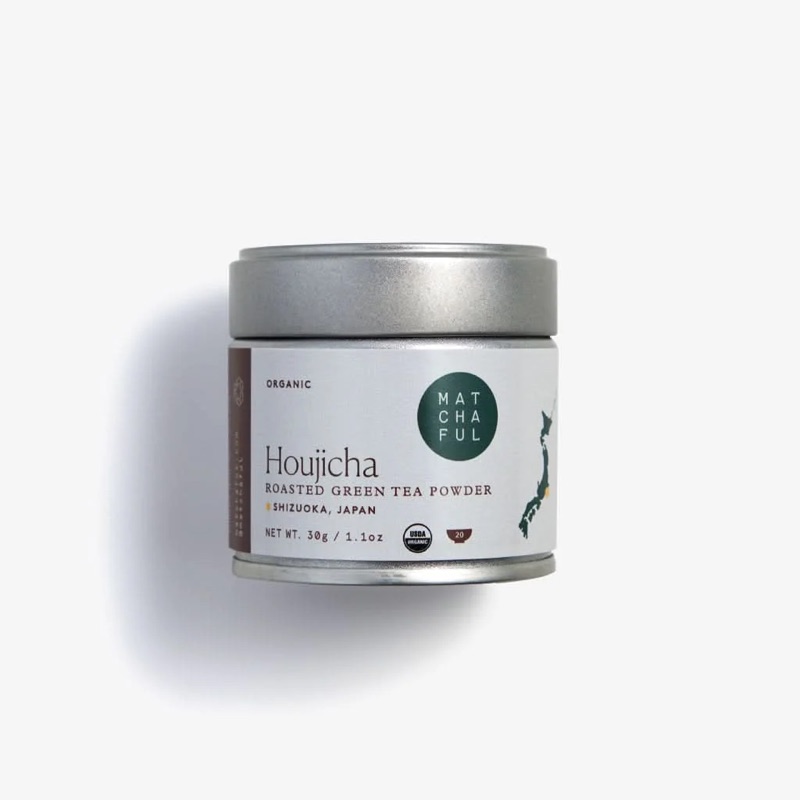 Matchaful
 Houjicha (organic roasted green tea powder)
Roasted green tea powder from an organic Shizuoka farm group. Matchaful’s 2026 report shows less lead than its matchas (45 to 50 ppb, about 0.1 µg per 2 g serving) and no pesticides detected. The numbers are the maker’s; no outside test. USDA Organic (CCOF) -
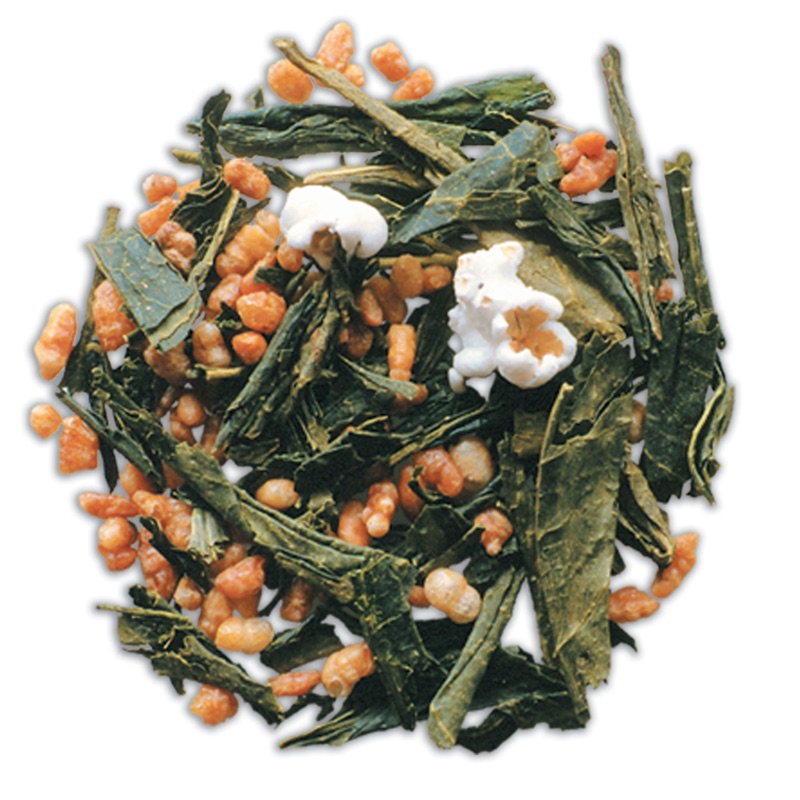 The Tao of Tea
 Organic Genmaicha (Brown Rice Tea)
Everyday loose-leaf genmaicha (sencha with toasted rice) from a Portland tea house. USDA lists it as organic, and an outside lab found no lead in a strong brew, at a coarse 5 ppb limit. A 2016 Prop 65 notice named it over lead. USDA Organic (QAI) -
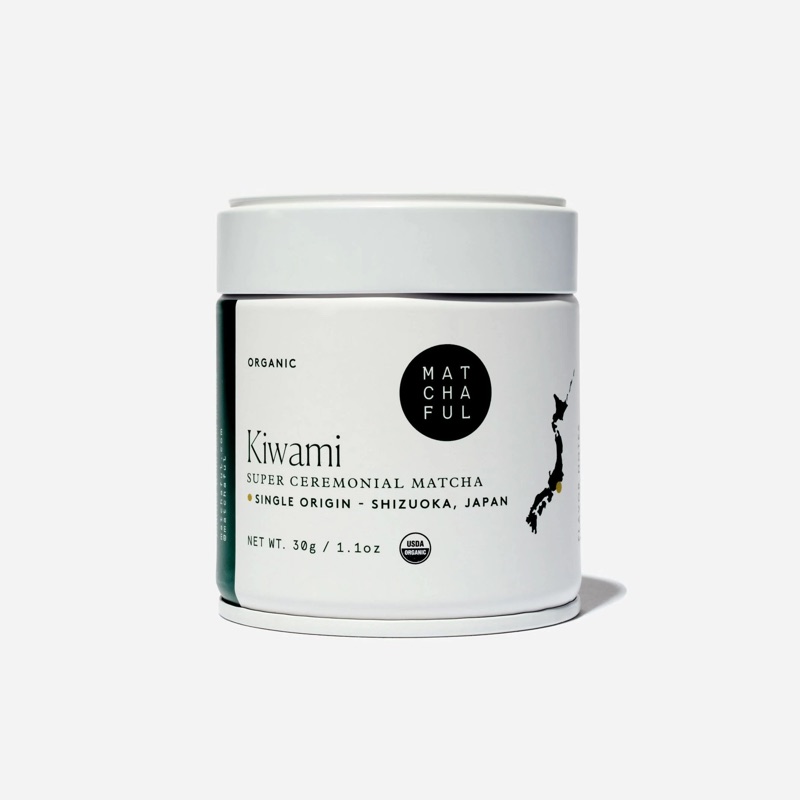 Matchaful
 Organic Kiwami Single Cultivar Matcha
Organic single-cultivar matcha from one named Shizuoka farm. Matchaful’s lab report shows lead at 68.8 ppb, about 0.14 µg per 2 g serving; an outside lab found 73 ppb in an earlier batch. Every tested matcha we found had lead. USDA Organic (CCOF) -
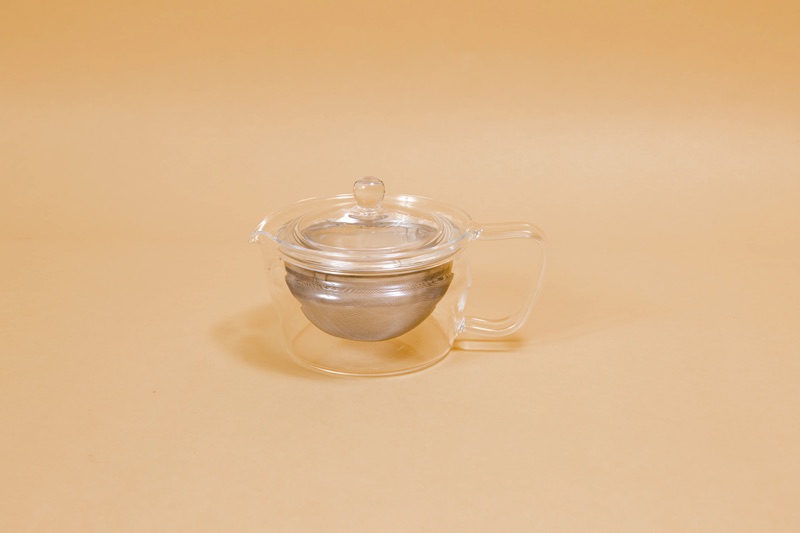 Hario
Hario ChaCha Kyusu “Zen” Glass Teapot
An all-glass teapot with a stainless-steel basket for loose leaf. Hario names the material and the country of each part, and lists no plastic. The details are Hario’s own, with no outside lead test. -
 Den’s Tea
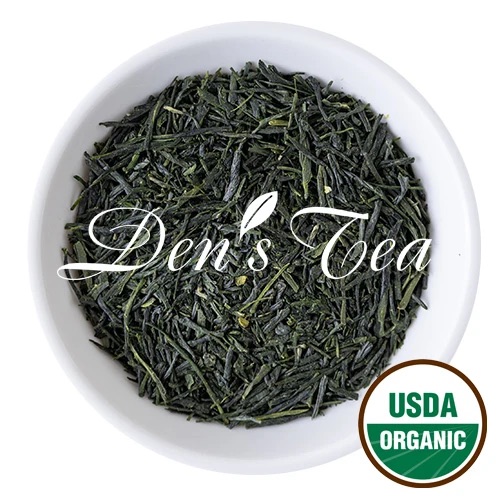
 Organic Sencha Yutaka-Midori
First-flush organic sencha from one named Kagoshima grower, sold by a California importer. USDA lists the product by name. Den’s publishes no heavy-metal, pesticide or fluoride results, and shows California’s lead warning on its teas. USDA Organic (CCOF)