Bottled water
Spring and mineral waters with published water-quality reports, in glass where possible.
How we rank bottled water
- Source 20%
- Independent testing 35%
- Packaging 25%
- Trust 10%
- Value 10%
Why, and what each one means
We rank water first on independent PFAS tests, because a bottler’s own report cannot show what an outside lab finds, and glass is no shield: Consumer Reports, Mamavation and Greenpeace Italia each found PFAS or the very short TFA in brands we had listed (PFAS guide). Glass still scores highest on packaging, but caps matter: France’s food-safety agency found more microplastics in glass-bottled drinks than in plastic ones, probably from cap paint, and a 2018 study (opens in a new tab) found them in 93% of 259 bottles.
- Source 20%
- A named spring or well, with the water quality report published.
- Independent testing 35%
- PFAS, arsenic and microplastics measured by someone the bottler does not pay, with results published.
- Packaging 25%
- Glass. Plastic bottles and plastic-lined caps cost points.
- Trust 10%
- Highest when the maker names everything, answers questions, and has no recalls, warning letters, Prop 65 notices or lawsuits over safety or labeling. Points come off for unresolved problems and for paid promoters it does not disclose.
- Value 10%
- Price per liter against the others here that pass.
Each product scores every one from 1 to 5, and its rating is the weighted average. We list only products rated 3 or above that break none of our rules.
We avoid
- Brands that will not publish a water-quality report.
- Plastic bottles stored in heat or sun.
- “Alkaline”, “structured” or “hydrogen-rich” health claims.
Read the research
Know one that fits? Suggest a product
3 products · best rated first
-
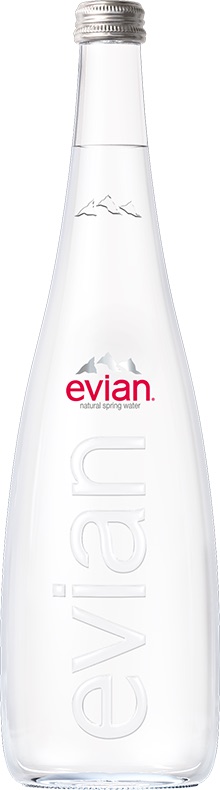 Evian
Evian Natural Spring Water, 750 mL glass
French spring water in glass with the best test record here: no PFAS in an NSF report or 14 FDA samples, no TFA in a 2026 French test, a trace in a Swiss one. A Texas grocer sells the bottle for about $3.18; resellers ask twice that. -
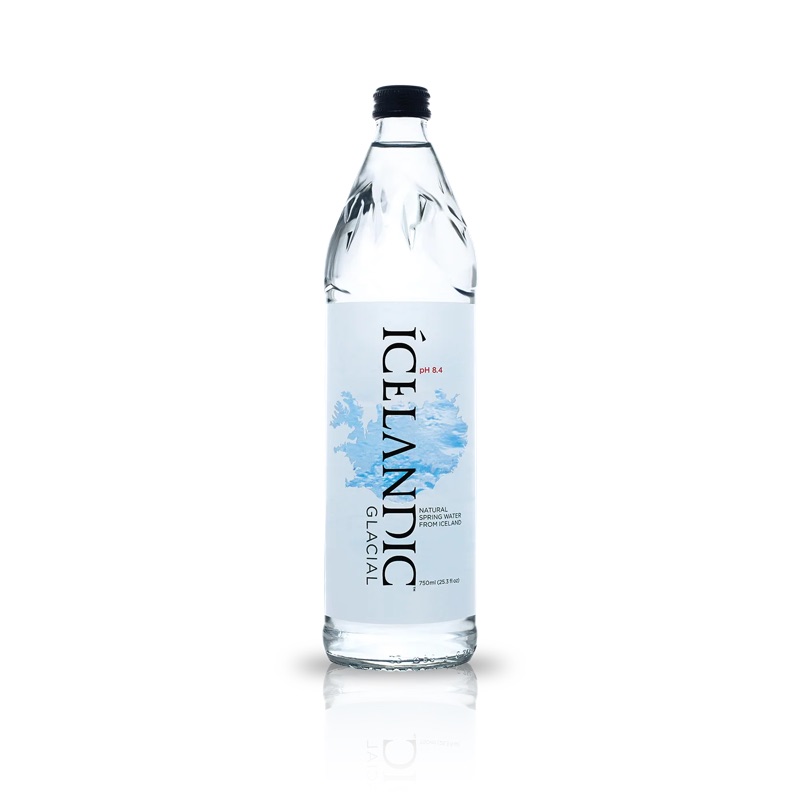 Icelandic Glacial
 Natural Spring Water, still, 750 mL glass bottles
Glass-bottled Icelandic spring water. FDA found no PFAS in 12 retail samples, and the maker posts a 2026 NSF source report and a glass microplastics test. Its “certified free of all contaminants” line goes too far. -
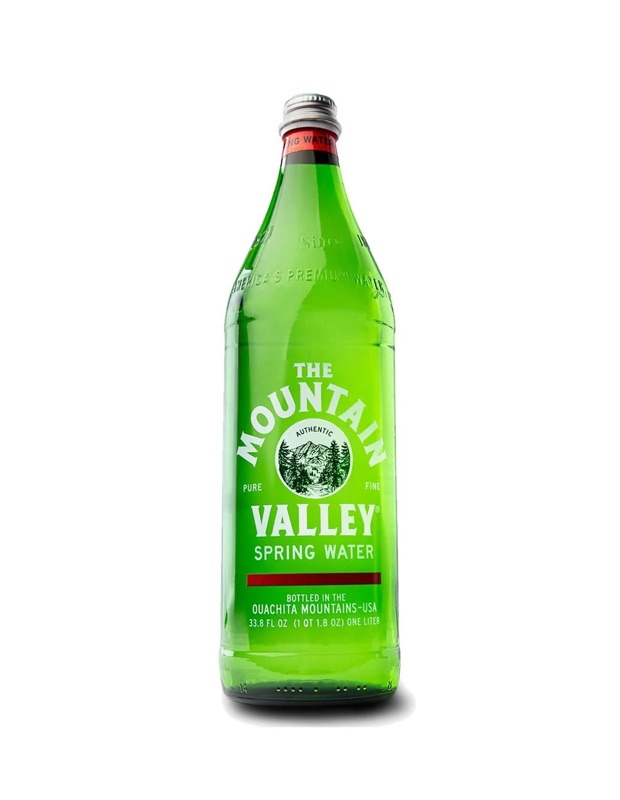 Mountain Valley
 Spring Water, 1 L glass bottles
Glass-bottled Arkansas spring water, the cheapest per liter here. Only the maker’s own report covers the still water: it names no lab and lists 18 PFAS, arsenic and uranium as not detected. A 2025 suit citing trace metals was dropped.